Definition & Purpose of USM-285
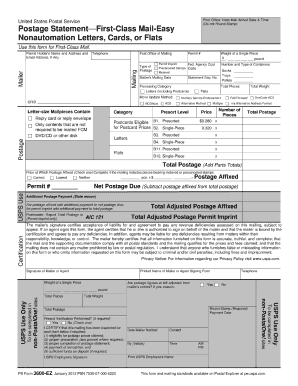
Form USM-285, often referred to simply as USM-285, is a form used by the United States Marshals Service to conduct service of process. This is a crucial legal procedure that ensures individuals involved in a legal action are properly notified. The form serves as a formal request to the U.S. Marshals Service to execute the service process, a task typically required in federal civil litigation cases.
- Components: USM-285 is comprised of five parts, each serving a specific function in the service process. These parts help track the request and fulfillment of service.
- Usage: It is most commonly utilized when subpoenas, complaints, or summons need to be officially delivered. In legal terms, this delivery is known as serving process.
- Importance: Proper completion and submission ensure that legal proceedings can move forward in compliance with federal rules.
How to Obtain the USM-285
To legally request the service of process from the U.S. Marshals, one must first obtain the USM-285 form. This can be done via several outlets:
- Online Resources: The form is available for download from the United States Courts website.
- Local Courts: Physical copies can often be acquired at federal district court clerk offices. Court staff typically provides guidance on obtaining and utilizing the form appropriately.
- Legal Representatives: Attorneys frequently have these forms and can provide the necessary paperwork as part of their service offerings.
Steps to Complete the USM-285
Properly completing the USM-285 is essential to ensure valid and timely service of process. Follow these steps carefully to reduce errors and avoid delays:
- Personal Information: Fill in your name and contact information at the top section for tracking purposes.
- Case Details: Provide the court information and case number affiliated with your legal action.
- Recipient Information: Accurately list the names and addresses of all parties to whom the forms are being served.
- Categories of Documents: State the type of documents being served, such as complaints or summons.
- Instructional Notes: Include any specific instructions regarding the use or handling of documents.
- Submission: Ensure copies are made as required and submit the completed form per the court's specified method before the deadline.
Key Elements of the USM-285
Several elements must be accurately detailed in the USM-285 to ensure it meets legal standards for service of process:
- Detailed Recipient Information: Clearly includes full names, titles, and addresses to avoid errors in service.
- Assigned Case Numbers: So the service of process is correctly linked to the appropriate legal action.
- Instructional Addendums: Applicable instructions that may influence how the documents are served.
Legal Use of the USM-285
The legal framework supporting the use of USM-285 ensures that all parties receive their fair opportunity to respond in a civil procedure. As such, it adheres strictly to:
- Federal Rules of Civil Procedure: Which dictate the proper delivery of summons based on case specifics.
- Protective Measures: Satisfying all due process requirements, thus safeguarding the legal rights of all parties involved.
Who Typically Uses the USM-285
The USM-285 is primarily used by:
- Attorneys: They most frequently file this form as part of their representation of clients in civil cases.
- Pro Se Litigants: Individuals representing themselves may also file this form as part of their case management.
- Government Agencies: Agencies may require service in cases involving compliance or enforcement actions.
Form Submission Methods (Online / Mail / In-Person)
The USM-285 must be submitted correctly to initiate service:
- Online Submission: While direct online submissions are rare, downloadable versions exist, which can then be printed and submitted.
- Mail Submission: Mailing the completed form is typical and should include any additional required documents.
- In-Person Submission: Physical submission at a local court can ensure prompt processing and verification of received documents.
Penalties for Non-Compliance
Failing to properly complete or submit USM-285 can have significant legal consequences:
- Dismissal of Actions: A case may be dismissed if the service of process is not appropriately completed.
- Legal Repercussions: Non-compliance can result in penalties, such as fines or additional court-mandated sanctions.
- Delays in Proceedings: Improper service can delay legal proceedings, potentially affecting case outcomes.
Understanding and precisely executing the requirements of USM-285 can profoundly impact the success and legality of the service of process, ensuring that all legal protocols are strictly followed.