







Definition and Meaning of Restorative Nursing
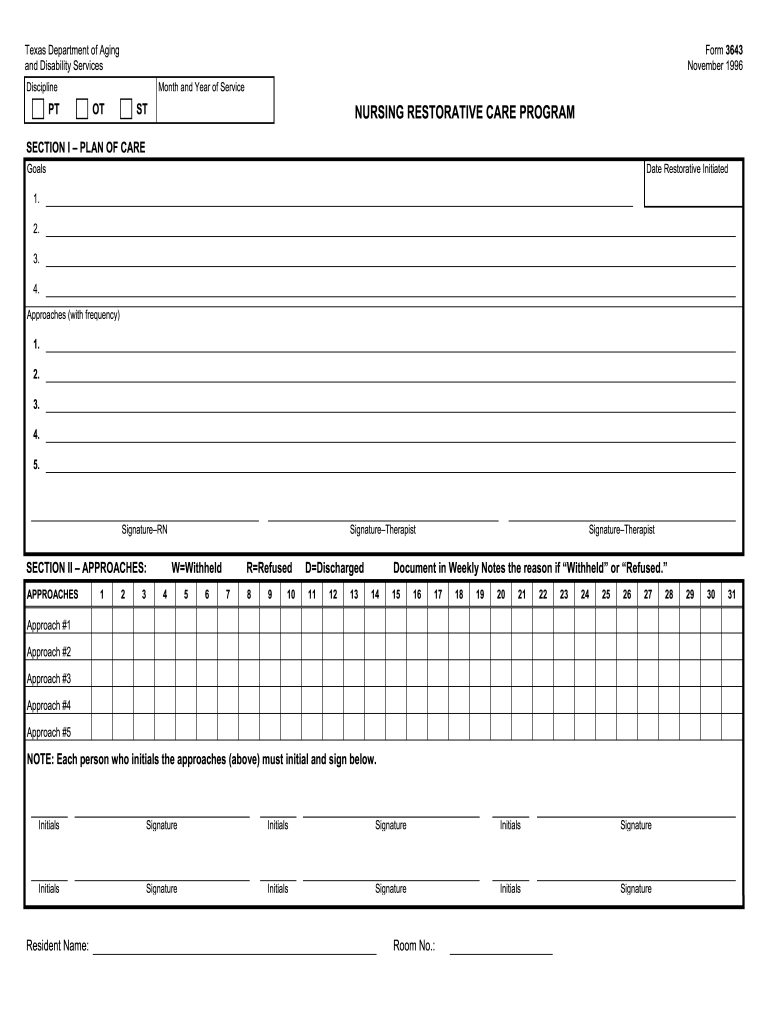
Restorative nursing refers to a specialized care approach focused on helping individuals regain or maintain their highest level of functioning. This practice is commonly employed in long-term care settings, where staff work closely with residents to support their physical, emotional, and social well-being. The goal of restorative nursing is not only to aid in rehabilitation but also to enhance the quality of life by promoting independence. A restorative nursing program template typically outlines the standards and procedures necessary for implementing restorative care practices effectively.
Key Components of Restorative Nursing Care
- Personalized Care Plans: Each resident should have a tailored care plan that addresses their unique needs, preferences, and goals.
- Assessment Protocols: Regular assessments are crucial for monitoring the progress of residents and adjusting care approaches as necessary.
- Collaborative Approach: Involves teamwork among nursing staff, therapists, and family members to ensure comprehensive support.
Steps to Implement a Restorative Nursing Program
- Assess Resident Needs: Conduct comprehensive evaluations to identify individual capabilities, preferences, and goals.
- Develop Care Plans: Create personalized plans that outline specific interventions and supports needed for each resident.
- Train Staff: Provide training focused on restorative techniques and the philosophy of care that supports resident autonomy.
- Monitor Progress: Regularly review and update care plans based on ongoing assessments and resident feedback.
- Document Outcomes: Maintain detailed records of resident progress, challenges, and adjustments to care directives.
Importance of Documentation
Effective documentation is a cornerstone of successful restorative nursing. It enables caregivers to track each resident's progress toward their goals and provides necessary information for ongoing care adjustments. Templates for recording progress notes and care interventions should be used consistently to maintain accurate records.
Examples of Restorative Nursing Program Elements
- Daily Functional Activities: Encourage residents to engage in activities like dressing, grooming, and ambulating independently.
- Therapeutic Exercises: Implement structured exercise regimens as prescribed by rehabilitation specialists to enhance physical strength and mobility.
- Social Engagement: Foster opportunities for residents to partake in group activities and social events, which contribute positively to their mental health.
Types of Restorative Programs
- Physical Rehabilitation Programs: Focus on improving mobility and strength through exercises and physical therapy.
- Cognitive Stimulation Activities: Engage residents in activities that promote cognitive functioning, such as puzzles or memory games.
- Socialization Initiatives: Create residents’ clubs or outings to encourage interaction and companionship among peers.
Compliance with Regulatory Guidelines
Restorative nursing programs must align with the Centers for Medicare & Medicaid Services (CMS) restorative nursing program guidelines. These regulations outline the standards for care delivery, documentation, and resident rights within nursing facilities.
Key Regulatory Elements
- Quality of Care Standards: Facilities must provide care that meets established quality benchmarks.
- Resident Rights: Ensure that residents retain the right to participate in their care planning and have their preferences respected.
- Regular Audits and Surveys: Engaging in routine evaluations helps facilities maintain compliance with federal regulations.
Training for Restorative Nursing Staff
Training is fundamental for ensuring staff members are equipped with the necessary skills and knowledge for effective restorative nursing. Programs should cover:
- Best Practices for Restorative Care: Training on the philosophy and techniques that promote resident independence.
- Effective Communication Skills: Equipping staff with tools to foster positive interactions with residents and their families.
- Observation and Reporting: Teaching staff the importance of accurate reporting regarding resident behavior and progress through specific documentation practices.
Continuous Education Opportunities
Ongoing training sessions and workshops should be offered to ensure caregivers stay current with the latest restorative nursing practices and regulatory changes. This can also include certification opportunities for specialized restorative nursing roles.
Common Challenges in Restorative Nursing Programs
While restorative nursing is crucial for enhancing resident well-being, several challenges may arise:
- Resistance to Change: Some residents may initially resist participating in restorative activities due to discomfort or habits developed from long-term care.
- Staff Turnover: High turnover rates can disrupt continuity in resident care and impact the effectiveness of the restorative program.
- Resource Limitations: Insufficient funding or staffing can hinder the ability to provide comprehensive restorative care.
Strategies to Overcome Challenges
- Engagement Strategies: Use motivational interviewing techniques to encourage resident participation in restorative activities.
- Retention Initiatives: Create a supportive work environment to reduce staff turnover and enhance job satisfaction among caregivers.
- Collaborative Resource Management: Work with community organizations or local universities to bolster resources and support for restorative care programs.
Overview of Restorative Nursing Documentation
Effective documentation is critical in a restorative nursing program. Staff should use restorative nursing program templates to maintain consistent records that capture residents' needs, responses to care interventions, and overall progress.
Key Documentation Elements
- Initial Assessments: Record baseline data for each resident upon admission to track changes over time.
- Progress Notes: Regularly document residents' achievements in meeting their goals and any barriers encountered.
- Care Plan Reviews: Periodically update care plans based on assessment findings and resident feedback to ensure ongoing relevance and effectiveness.
The comprehensive application of these elements ensures a robust restorative nursing program that not only complies with regulatory standards but ultimately enhances the quality of life for residents in long-term care settings.




