
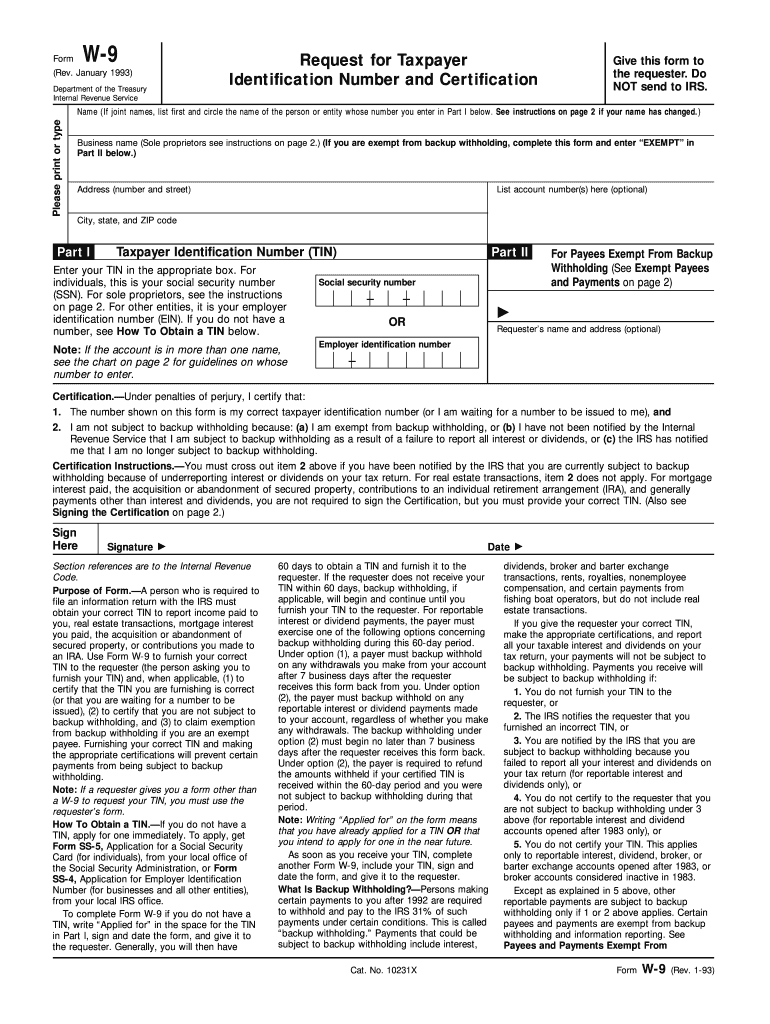







Definition and Purpose of the 1993 Form
The 1993 form is primarily used to request specific information pertinent to regulatory or compliance requirements. This document serves as a means to capture essential data from individuals or entities operating within specific industries. Its primary goal is to facilitate the standardization and collection of information necessary for official processes, adhering to governmental regulations and ensuring accurate reporting.
Practical Applications
- Gathering essential tax-related information from individuals or entities.
- Facilitating the administration of compliance processes.
- Maintaining updated database records for various regulatory purposes.
How to Use the 1993 Form
Understanding the practical steps of using the 1993 form ensures smooth participation in compliance activities.
Step-by-Step Instructions
- Identify the Purpose: Determine the specific reason for requiring the form.
- Gather Required Details: Collect all necessary data, such as personal identifiers, relevant to the purpose.
- Complete the Form: Fill out the form accurately, ensuring all fields are addressed.
- Review and Authenticate: Double-check entries for precision and authenticity to avoid potential errors.
- Submit the Form: Follow the prescribed method for form submission, whether online or via mail.
Steps to Complete the 1993 Form
The step-by-step completion process maximizes accuracy and efficiency.
- Read All Instructions Carefully: Familiarize yourself with each section of the form.
- Fill in Personal Information: Enter personal or entity details as specified.
- Provide Supporting Documents: Attach any required documentation to support your entries.
- Review Errors and Omissions: Verify the form for any mistakes or missed sections before submission.
- Sign and Date the Form: Ensure the information is valid and authenticated with a signature.
Key Elements of the 1993 Form
The core components include several crucial fields that must be correctly completed for the form to serve its purpose effectively.
Required Sections
- Personal Information: Including full legal name and address.
- Taxpayer Identification Details: Such as Social Security Number or Employer Identification Number.
- Certifications: Statements certifying the authenticity and accuracy of the information supplied.
Legal Use of the 1993 Form
The form's use is subject to specific legal frameworks governing its distribution and processing.
Compliance Regulations
- Adherence to IRS guidelines ensures legal submission.
- Ensuring full compliance with applicable federal and state laws enhances its legitimacy.
Examples of Using the 1993 Form
Various scenarios illustrate the form’s practical applications in everyday situations.
Scenarios
- Consultants or Freelancers: Necessary for reporting additional income not covered by a W-2.
- New Business Ventures: For registering entities with federal or state bodies.
- Estate Planning: To fulfill specific tax obligations during estate transitions.
IRS Guidelines for the 1993 Form
The IRS provides comprehensive guidelines that dictate the correct completion and submission process for the form.
Important Considerations
- Ensure compliance with submission deadlines to avoid penalties.
- Follow specific instructions related to the form type and your entity status.
Form Submission Methods
Understanding the correct submission avenues ensures the form reaches the intended recipient efficiently.
Options for Submission
- Online Portals: Available for qualified submissions.
- Mail Services: Traditional method ensuring documented delivery.
- In-Person Delivery: Provides confirmation of receipt directly.
Who Issues the Form
A critical aspect of understanding the 1993 form is knowing its origin and the authorities involved in its distribution.
Administrative Bodies
- The form is typically issued by regulatory agencies or governmental departments involved in taxation or compliance.
- The issuing body provides specific guidelines and timelines important for timely completion and submission.




