




Definition and Purpose of Massachusetts State Tax Form 2021
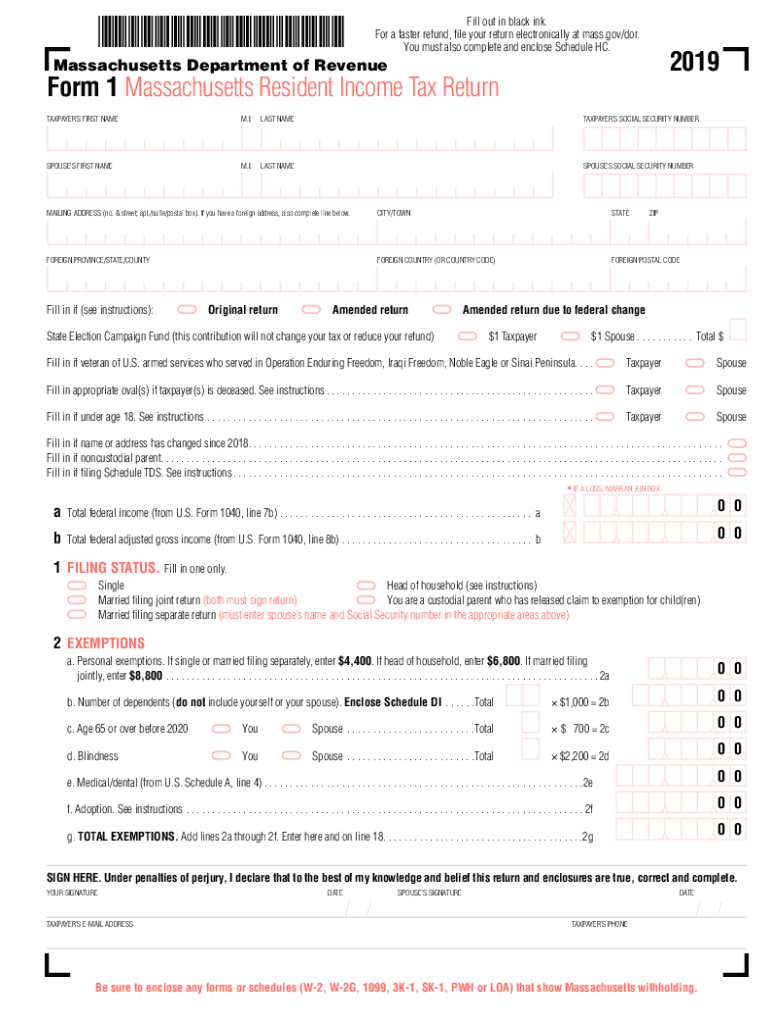
The Massachusetts state tax form 2021, officially known as Form 1, is utilized by residents to file their state income tax returns. It gathers essential financial information, computes tax liabilities, and determines whether you're owed a refund or must make a payment. This form includes sections for personal data, income reporting, credits, and deductions specific to Massachusetts tax regulations. Understanding its structure and purpose helps streamline the filing process and ensures compliance with state tax laws.
How to Obtain Massachusetts State Tax Form 2021
Residents can access the Massachusetts state tax form 2021 through multiple channels. It is available for download from the Massachusetts Department of Revenue's website, allowing individuals to acquire a digital copy for printing and manual completion or electronic submission. Additionally, those using tax preparation software can find the form pre-integrated, offering guidance through a step-by-step process. Physical copies are also accessible from local libraries or by requesting them directly from the Department of Revenue for taxpayers preferring traditional paper filing.
Steps to Complete the Massachusetts State Tax Form 2021
- Personal Information: Begin by filling out personal data, including your name, Social Security number, and address.
- Income Reporting: Report all income sources within Massachusetts and from out-of-state connections.
- Deductions and Exemptions: Itemize possible deductions, credits, and exemptions you qualify for.
- Tax Calculation: Use the guided computation on the form to determine your tax liability or eligible refund.
- Review and Submit: Carefully review your entries for accuracy, sign the document, and submit it through your chosen method.
By following these steps, you ensure precise completion and avoid common errors that could delay processing.
Important Terms Related to Massachusetts State Tax Form 2021
- Adjusted Gross Income (AGI): Your total income after specific deductions, foundational for many tax calculations.
- Credits and Exemptions: Special reductions applicable to specific taxpayer scenarios, reducing overall tax liability.
- Schedule HC: A complementary form required for documenting health care coverage information mandated by Massachusetts law.
Familiarity with these terms ensures a smoother completion process, particularly for taxpayers unfamiliar with tax forms.
Key Elements of the Massachusetts State Tax Form 2021
The form incorporates several critical elements:
- Taxpayer Identification: Verifying the filer’s identity and status.
- Wages and Salaries: Gross earnings sections determining taxable income.
- Deductions Section: Aiding in the adjustment of taxable income through qualified expense reductions.
- Tax Payments and Credits: The application of previously paid taxes and eligible credits to reduce current obligations.
Each element contributes to accurate tax determination and compliance.
Filing Deadlines and Important Dates
Massachusetts residents must file state tax returns by April 15, aligning with the federal tax deadline. Various extensions are available, though they necessitate formal requests before this date. Late submissions may incur penalties, stressing the importance of timely completion and submission of Form 1.
Form Submission Methods
- Online: Utilizes the state’s e-file system or approved tax software for digital submissions, promoting quicker processing and refunds.
- Mail: Traditional postal filing involves sending completed forms to addresses specified by the Massachusetts Department of Revenue.
- In-Person: Delivery at designated drop-off locations is an option for individuals preferring direct submission.
Each method offers diverse benefits depending on taxpayer preferences for speed and confirmation of receipt.
IRS Guidelines for Massachusetts State Tax Form 2021
Although Form 1 is state-specific, adhering to IRS guidelines can streamline both state and federal filings. Comparable documentations, consistency in declared income, and categorized deductions in alignment with federal instructions contribute to an integrated filing experience. Taxpayers should maintain congruity across forms to prevent discrepancies that could attract audits or delays.
Taxpayer Scenarios: Who Typically Uses This Form?
The Massachusetts state tax form 2021 applies to a variety of taxpayer groups:
- Residents: All full-year Massachusetts residents with a filing requirement.
- Part-Year Residents: Individuals who lived in Massachusetts for part of the year and need to account for earnings during residency.
- Non-Residents with Massachusetts Income: Those earning income from Massachusetts sources while residing elsewhere.
Recognizing which scenarios necessitate the use of Form 1 is essential for maintaining tax compliance.