

Transform your document managing with Employment Policies
Your workflows always benefit when you are able to find all of the forms and files you require at your fingertips. DocHub provides a a huge collection of documents to alleviate your day-to-day pains. Get a hold of Employment Policies category and quickly find your document.
Start working with Employment Policies in several clicks:
- Gain access to Employment Policies and discover the form you require.
- Click on Get Form to open it in our editor.
- Start editing your form: add more fillable fields, highlight paragraphs, or blackout sensitive facts.
- The application saves your changes automatically, and once you are ready, you can download or share your form with other contributors.
Enjoy effortless file administration with DocHub. Check out our Employment Policies online library and discover your form today!
Video Guide on Employment Policies management

Commonly Asked Questions about Employment Policies
Why do we have employment policies?
Set clear expectations This clarity allows employees to know and understand how they should respond ing to the mission, vision, values the company establishes. In a nutshell, policies take the guesswork out of what employees should do.
Definition What are employee policies?
Workplace policies are rules and guidelines for how you expect employees to behave when they work for your organization. They can also determine what policies your managers and HR departments should follow. What Are Workplace Policies? - Connecteam connecteam.com hr-glossary workplace-policies connecteam.com hr-glossary workplace-policies
Why is it important to have policies that apply to the work IT professionals do?
Policies and procedures work together with your technical security controls to protect confidential information from unauthorized access, disclosure, corruption, loss, and interference in both physical and electronic formats.
Importance Why are employment policies important?
They can impact employee motivation, organisation reputation and the ability to attract and retain talent, creating mutual benefits for employees and organisations. HR policies can also provide clear guidance that reflects regulations, for a range of issues. HR Policies | Factsheets | CIPD cipd.org factsheets hr-policies-factsheet cipd.org factsheets hr-policies-factsheet
Why are employment laws important in the US?
Employment law plays a vital role in promoting fair and equitable workplace practices. By preventing discrimination based on protected characteristics and enforcing anti-retaliation provisions, these laws help create a level playing field for all employees, regardless of their background or personal characteristics.
What is an example of a workplace policy?
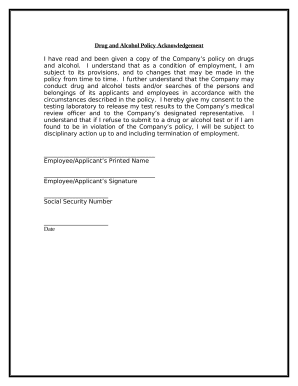
Examples of common workplace policies: code of conduct recruitment policy internet and email policy mobile phone policy non-smoking policy drug and alcohol policy health and safety policy anti-discrimination and harassment policy grievance handling policy discipline and termination policy.
What are some employee policies?
Contents Employee conduct policy. Equal opportunity policy. Social media policy. Paid time off (PTO) policy. Confidentiality policy. Health and safety policy. BYOD (bring your own device) policy. Compensation policy.
What are key employment policies?
Equal opportunity policy. Workplace health and safety. Employee code of conduct policy. Attendance, vacation and time-off policies.
What is the importance of policies?
Policies are important because they define what is, and is not acceptable in the organization. When created in the right way, they will ensure that all activities undertaken in the organization occur with the simple aim of ensuring the organization achieves its objectives.
What is the employment policy of the US government?
It is the policy of the government of the United States to provide equal opportunity in federal employment for all persons to prohibit discrimination in employment because of race, color, religion, sex, national origin, handicap, age or sexual orientation through a continuing affirmative program in each executive