
Gym Balance Sheet Templates
Browse Gym Balance Sheet Templates and create a tailored financial overview. Modify, complete, eSign, and distribute your balance sheets without delays.

Create a new Gym Balance Sheet Template

Form uia 1718
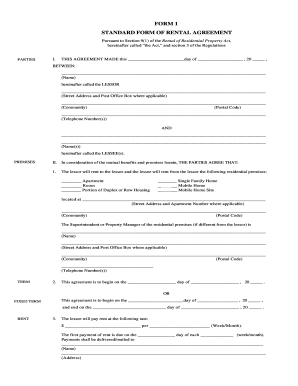
Standard rental agreement form
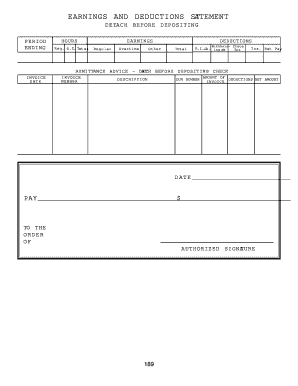
Earnings statement template

Mcs 5889
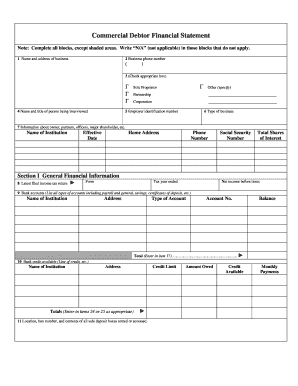
Commercial debtor financial statement
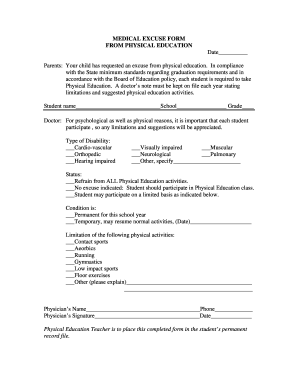
Excuse physical
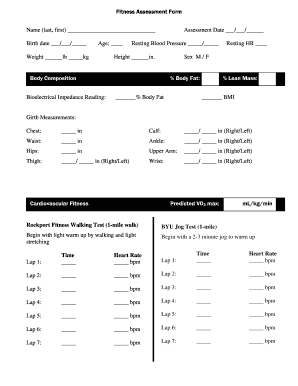
Fitness assessment form

Boxing registration form
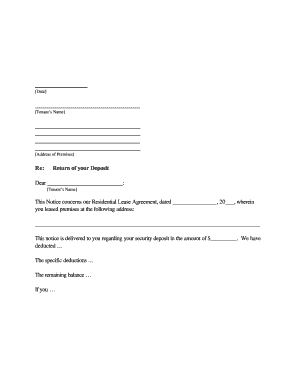
Application for release of security deposit pwd

Fairfax county virginia confession judgment form
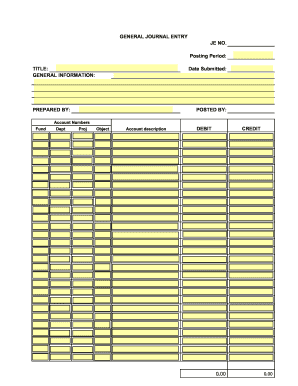
Journal entry template pdf

Bank signature card pdf
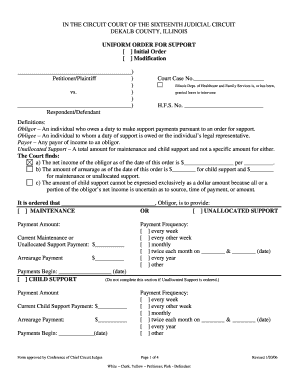
Illinois uniform order support
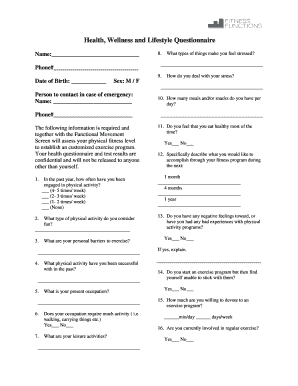
Health and fitness questionnaire example
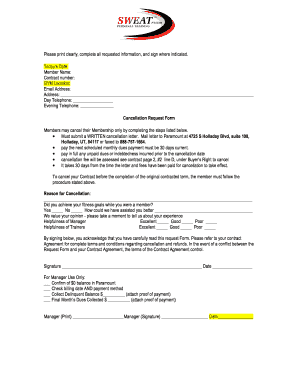
Sweat pt
Dcps community service forms

Abc balance scale
Souvenir booklet ad template

Massachusetts judgment debtor claims
Authorization release records
Toc woodworkers pension

Leisure access pass

Exercise History & Attitude Questionnaire - Balance Personal ...
Rv credit application
Farmers bank personal financial
Get and manage Gym Balance Sheet Templates online
Speed up your document administration using our Gym Balance Sheet Templates collection with ready-made templates that suit your needs. Get the form template, change it, complete it, and share it with your contributors without breaking a sweat. Begin working more efficiently with your documents.
The best way to use our Gym Balance Sheet Templates:
- Open our Gym Balance Sheet Templates and find the form you want.
- Preview your document to ensure it’s what you want, and click Get Form to begin working on it.
- Alter, include new text, or highlight important information with DocHub features.
- Prepare your form and save the modifications.
- Download or share your form with other people.
Examine all the possibilities for your online document administration with our Gym Balance Sheet Templates. Get a totally free DocHub account right now!
Video Guide on Gym Balance Sheet Templates management

Commonly Asked Questions about Gym Balance Sheet Templates
Is there a balance sheet template in Excel?
The Balance Sheet Template for Excel is a pre-designed spreadsheet that allows users to enter their companys financial information, including assets, liabilities, and equity. This template is useful for businesses of all sizes, as it can be customized to fit each companys specific needs.
What are the cogs of a gym?
Cost of Goods Sold (COGS): The direct costs of providing the gyms services, such as the salaries of trainers. Operating Expenses: Includes indirect costs like rent, utilities, marketing expenses, administrative expenses, depreciation, etc.
How to do accounting for a gym?
Practical Gym Accounting Tips for Gym Owners Stay Organized. Separate Personal and Business Finances. Regularly Update Your Books. Understand Your Cash Flow. Payroll Management. Plan for Taxes. Monitor Your Key Performance Indicators (KPIs) Regularly Review Financial Reports.
What is the PL statement of a gym?
The profit and loss statement, also known as the income statement, shows the gyms revenues, costs, and expenses during a particular period. This helps determine the net income or net loss of the gym.
What are the current liabilities of a gym?
Liabilities of a gym can include accounts payable (money owed to suppliers), salaries payable to employees, loans for purchasing equipment or property, and any accrued expenses like utilities or services.
What are the fixed assets of a gym?
Gym equipment: This includes treadmills, weight machines, exercise bikes, and any other equipment that is used for workouts. These are essential fixed assets for a gym and can be a docHub expense.
Is a gym membership an asset or liability?
Investing your money in a business, a business is going to be an asset if it makes you money. Now, be careful, because a lot of you, you run businesses and theyre liabilities for you. But anything else youre buying: shoes, clothes, you know, gym memberships all this sort of stuff those are all liabilities.
How do I make a financial plan for my gym?
How to Prepare a Gym Financial Plan Calculate business startup costs. Determine financing requirements strategy. Understand your business model. Identify revenue streams. Market analysis and pre-assumptions. Make financial projections. Test assumptions and scenario analysis. Monitor and update your plan.
Related Templates

Income & Expense Instructions and Forms - Town of New Canaan
The document is an Annual Income and Expense Report for the Town of New Canaan, requiring rental property owners to subm ...

Contempt of court order
The document is a packet of forms and instructions for filing a 'Motion for Contempt' in the Scioto County Domestic Rela ...

Healthy grocery list
The document provides a comprehensive healthy grocery shopping list for the holiday season, categorized into food groups ...

Tabla de calibre de alambre para bobinar pdf
The document provides detailed specifications and characteristics of enameled copper and aluminum wires, including physi ...

Physician query form
The document is a physician query form related to generalized sepsis, intended for use in medical records. It requests t ...
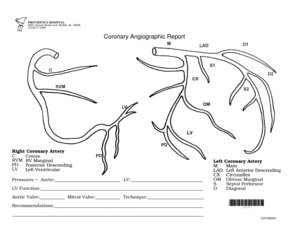
Angiography report sample
The document is a comprehensive coronary angiographic and peripheral vascular report from Providence Hospital, detailing ...
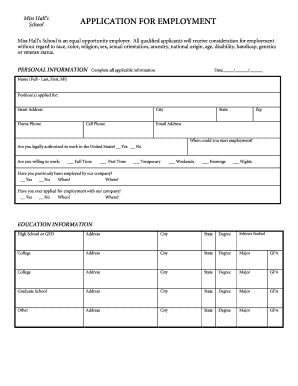
Job application with criminal background tennessee
The document is an employment application for Miss Hall's School, outlining the application process and requirements. It ...
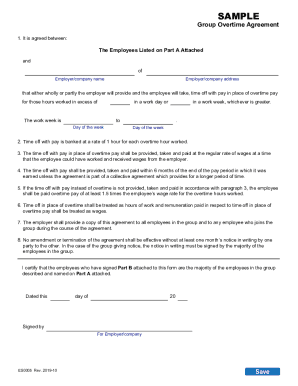
Group Overtime Agreement - ES0005-1
The document outlines a Group Overtime Agreement between employees and an employer, allowing employees to receive time o ...