






Definition & Meaning of Form 3
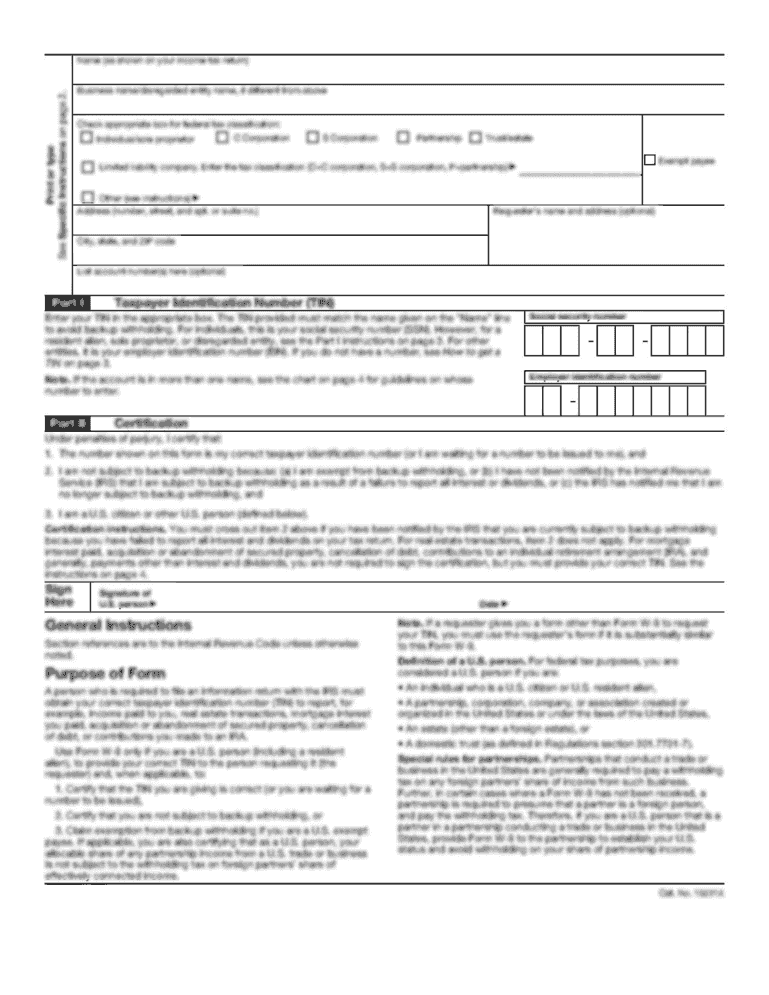
Form 3 refers to a specific instance of Form 3520, which is utilized by U.S. persons to report certain transactions with foreign trusts, ownership of foreign trusts, and receipts of certain large gifts or bequests from certain foreign individuals or entities. The 1995 version of the form would have been applicable to transactions occurring in that year. By filing this form, taxpayers ensure transparency in their financial relationships and comply with the IRS requirements, thus avoiding penalties or legal complications.
How to Use Form 3
Understanding the correct usage of Form 3 is essential for ensuring compliance with U.S. tax laws. The form is primarily used to report:
- Ownership of foreign trusts by U.S. persons.
- Receipt of distributions from foreign trusts by U.S. persons.
- Receipt of large gifts or bequests from non-resident aliens or foreign estates.
Each scenario requires detailed documentation, providing specific information related to the transaction, the parties involved, and financial figures. Users must ensure accuracy in reporting to avoid triggering an IRS audit or fines.
Steps to Complete Form 3
To accurately complete Form 3, follow these steps:
- Gather Necessary Information: Collect details about the foreign trust or entity involved, including names, addresses, and taxpayer identification numbers (if applicable).
- Fill Out Personal Details: Enter your personal information, including your name, address, and Social Security Number (SSN).
- Provide Transaction Details: Accurately document the nature and value of the transaction, including any income received or assets transferred.
- Complete Financial Information: Attach any required financial statements, such as balance sheets or income statements, as dictated by the form instructions.
- Review and Sign: Double-check the completed form for accuracy, then sign and date it before submission.
- Submit Form: Ensure timely submission to the IRS, following the specified instructions for filing addresses or online submission portals.
Key Elements of Form 3
Form 3 encompasses several critical elements:
- Part I - General Information: Involves basic details about the filer and the foreign entity or trust.
- Part II - Transfers to Foreign Trusts: Requires detailed recording of any transfers made to foreign trusts, including the date and value.
- Part III - Distributions from Foreign Trusts: Requires specifying the source and amount of any distributions received from foreign trusts.
- Part IV - Gifts or Bequests from Foreign Persons: Documents large gifts from foreign individuals that meet or exceed IRS reporting thresholds.
Understanding these elements is fundamental for correct form completion and submission.
Filing Deadlines / Important Dates
The IRS requires Form 3 to be filed by the due date of the U.S. person's individual tax return, including extensions. Typically, this means:
- Initial Deadline: April 15, following the close of the tax year.
- Extended Deadline: October 15, if a filing extension is obtained.
Timely filing is crucial to avoid penalties, which can be substantial.
Penalties for Non-Compliance
Failure to file Form 3 can result in severe financial penalties for the taxpayer:
- Initial Penalty: The greater of $10,000 or 35% of the gross value of the transaction (transfer, distribution, or gift/bequest).
- Additional Penalties: Incremental fines may apply for continued non-compliance after the initial penalty is assessed.
- Criminal Penalties: In severe cases, intentional non-filing may result in criminal charges.
It is important to comply fully with all reporting requirements.
Taxpayer Scenarios
Several taxpayer scenarios highlight the necessity of Form 3:
- U.S. Business Owners: Managing foreign subsidiaries or trusts.
- Individuals Receiving Inheritance: Those who inherit significant foreign assets.
- Self-employed Consultants: Receiving substantial payments from foreign clients.
Each scenario requires careful documentation on Form 3520 to ensure compliance with IRS regulations.


Digital vs. Paper Version
Form 3 may have initially been available as a paper form only. However, with advancing technology, subsequent versions now allow for digital submission. Utilizing the digital version:
- Reduces Errors: Calculations can be performed automatically.
- Ensures Timely Filing: Submissions can be made closer to deadlines without postal delays.
- Provides Confirmation: Receipt of submissions is often immediate, reducing uncertainty about delivery.