







Understanding the Colorado Trailer Bill of Sale
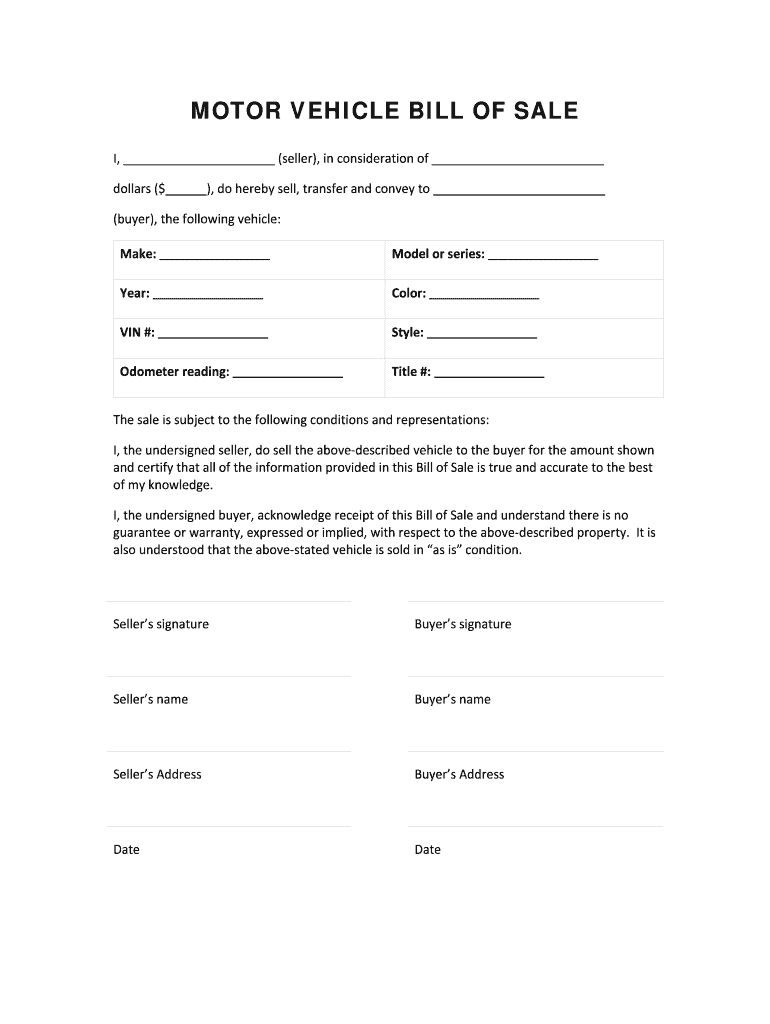
The Colorado trailer bill of sale is a critical document that formally records the transfer of ownership for a trailer between a seller and a buyer in the state of Colorado. It acts as a legal agreement that provides essential details regarding the transaction and the trailer itself.
Key Components of the Colorado Trailer Bill of Sale
A well-constructed trailer bill of sale must include the following elements to ensure clarity and legal validity:
- Seller Information: Name and contact details of the seller, confirming their identity and authority to sell the trailer.
- Buyer Information: Name and contact information of the buyer, ensuring both parties are easily identifiable.
- Trailer Description: This includes the make, model, year, Vehicle Identification Number (VIN), color, and any specific attributes relevant to the trailer (e.g., weight).
- Sale Details: The sale price and method of payment should be clearly stated. This ensures that both parties are in agreement concerning the financial transaction.
- Odometer Reading: If applicable, the current mileage or usage information should be included.
- Signatures: Both the seller and buyer must sign and date the document to validate the sale officially. Additionally, including a witness signature can enhance the legitimacy of the transaction.
Legal Requirements and Regulations
In Colorado, it is important to adhere to specific legal requirements regarding the sale of trailers. Key points include:
- As Is Condition: Sellers should indicate clearly whether the trailer is sold "as is," meaning that the buyer accepts it without warranties or guarantees regarding its condition.
- Notarization: While it is not always required, having the bill of sale notarized can help provide additional protection and legitimacy to the document.
- State Regulations: Be aware of any local or state regulations that may impact the sale, including title transfers and registration requirements.
Steps to Complete a Colorado Trailer Bill of Sale
Creating a trailer bill of sale involves several straightforward steps:
- Obtain a Template: Find a reliable template for a Colorado trailer bill of sale, ensuring it includes all necessary parts.
- Fill in the Details: Accurately input the seller's and buyer's information, trailer details, and sale specifics.
- Review the Document: Both parties should carefully review the bill of sale to ensure all information is correct.
- Sign the Document: Have both parties sign the bill of sale. Consider involving a witness or notary for added security.
- Provide Copies: Each party should retain a copy of the signed bill of sale for their records, as it serves as proof of ownership transfer.
Common Issues and Considerations
Potential challenges can arise during the process of creating or executing a trailer bill of sale:
- Disputes Over Condition: Misunderstandings regarding the trailer's condition can lead to disputes. Including clear statements about the "as is" condition is vital.
- Not Having Proper Documentation: Failure to have the proper documentation can delay the transfer of ownership or cause issues when registering the trailer.
- State-Specific Variations: Since laws can vary, it is important to verify the specific requirements in Colorado before completing the sale.
Practical Examples of Use Cases
- Selling a Travel Trailer: A seller may have upgraded to a new model and needs to bill of sale to finalize the sale of their old travel trailer. This document ensures the new owner can register the travel trailer under their name.
- Buying a Utility Trailer: A buyer purchasing a utility trailer for business purposes requires a bill of sale to provide proof of ownership for insurance and tax purposes.
By understanding the components, legal requirements, and processes associated with the Colorado trailer bill of sale, both buyers and sellers can ensure a smooth and compliant transaction.




