
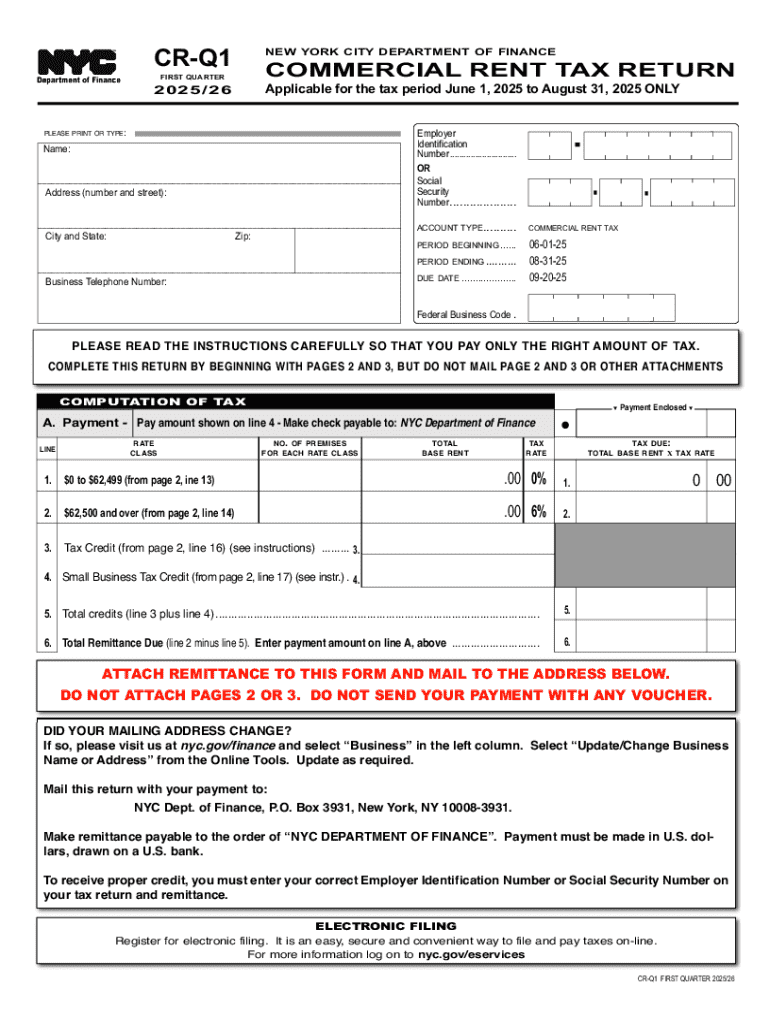







Definition & Meaning
The "Layout 1" is a template or form used for organizing specific types of information in a standardized format. It simplifies document handling by providing a consistent structure that users can follow for information entry and processing. This template may be utilized for various functions, including administrative, legal, or financial documentation, depending on its context and the sector it serves. Understanding the "Layout 1" is crucial as it dictates how information is presented and interpreted, allowing for streamlined communication and processing.
- Standardization: Ensures that information is uniformly presented, which is essential for consistent data interpretation.
- Flexibility: Can be adapted to a range of document types, reducing the need for multiple templates.
Practical Usage Scenarios
Utilizing standardized layouts like "Layout 1" is particularly beneficial in environments where documents need to maintain consistency across multiple submissions or forms, such as government applications or corporate reports.
Steps to Complete the Layout 1
Completing "Layout 1" involves several methodical steps to ensure all required information is accurately entered.
- Understand the Requirements: Review all instructions and guidelines associated with the form to fully grasp what information is needed.
- Gather Necessary Information: Collect data from relevant sources, ensuring accuracy and completeness.
- Fill Out Form Fields: Enter data into each specified section. Ensure that all fields are completed according to the instructions provided.
- Review and Verify: Double-check entries for accuracy, completeness, and consistency. Look for any discrepancies or missing information.
- Common Mistakes: Frequently, individuals may overlook specific fields or misinterpret instructions, leading to incomplete submissions.
- Tools: Utilize spreadsheet software or form-filling applications for better management of information and reducing errors.
Key Elements of the Layout 1
The "Layout 1" typically includes several vital components that are crucial for its functionality and utility.
- Header Section: Often contains introductory information such as the title, date, and purpose of the document.
- Content Blocks: Areas designated for specific information, which may include text fields, checkboxes, and dropdown menus.
- Instructional Notes: Guidelines provided within the form to assist users in proper data entry and adherence to requirements.
- Signature Panel: Space for validation through signatures, often used to confirm the authenticity of the information provided.
Supporting Elements
- Annotations: Some versions of "Layout 1" might include areas for notes or comments, allowing for supplementary information or clarification as needed.
Important Terms Related to Layout 1
Understanding specific terminology is crucial for correctly completing or interpreting "Layout 1".
-
Field: A space within the layout designated for entering a specific piece of information.
-
Mandatory Fields: Sections that must be completed for the document to be valid.
-
Verification: The process of checking that information entered within "Layout 1" is accurate and true.
-
Example: If a field is labeled "SSN," it would require a Social Security Number, which is critical for identity verification.
Legal Use of the Layout 1
The "Layout 1" must be used in compliance with legal standards and guidelines.
- Legality: Ensure the information provided within the form complies with all relevant laws and regulations. This is crucial for legal documents that may be reviewed by governmental agencies.
- Privacy Protection: Align with data protection laws such as the General Data Protection Regulation (GDPR) if applicable, ensuring all sensitive information is handled correctly and securely.
Compliance Tips
- Consult Legal Experts: When in doubt about legality or compliance, seek advice from legal professionals to navigate complex or ambiguous requirements.
- Documentation: Maintain thorough records of form submissions, keeping copies and receipts where possible to provide evidence of compliance.
Software Compatibility
"Layout 1" may be compatible with various software applications that aid in processing and submission.
- Integration Options: Compatible with document management systems like TurboTax or QuickBooks, which can streamline processing and data entry.
- Cross-Platform Usage: Available on both digital and paper versions, allowing for flexibility in how the form is completed and submitted.
Technical Considerations
- Software Updates: Keeping software up to date ensures continued compatibility and avoids errors during information processing.
- Support Resources: Vendor support can provide assistance with compatibility issues or technical problems encountered during use.
State-Specific Rules for the Layout 1
Different states may have unique requirements or variations in how "Layout 1" must be completed.
- State Regulations: Each state may impose specific filing rules or additional documentation requirements. Understanding these is essential for compliance.
- Variations: Differences may occur in terminology, required fields, or supporting documents depending on state laws.
Implementation Examples
- California vs. New York: While one state might request additional identification information, another might require supplementary documentation for address verification.
Examples of Using the Layout 1
Consider real-world scenarios that illustrate how "Layout 1" can be utilized effectively.
- Tax Filings: Used for reliably submitting annual tax returns, ensuring all data is correctly entered and formatted in line with IRS requirements.
- Business Applications: Employed in corporate settings for standardized distribution of internal policies or procedural documents.
Additional Scenarios
- Legal Applications: Adopted for legal filings or applications, where precision and adherence to a specific format are crucial.
- Educational Institutions: Utilized for administrative purposes such as registration forms or course applications, ensuring clarity in information collection.




