Definition & Meaning of a Two Party Contract Template
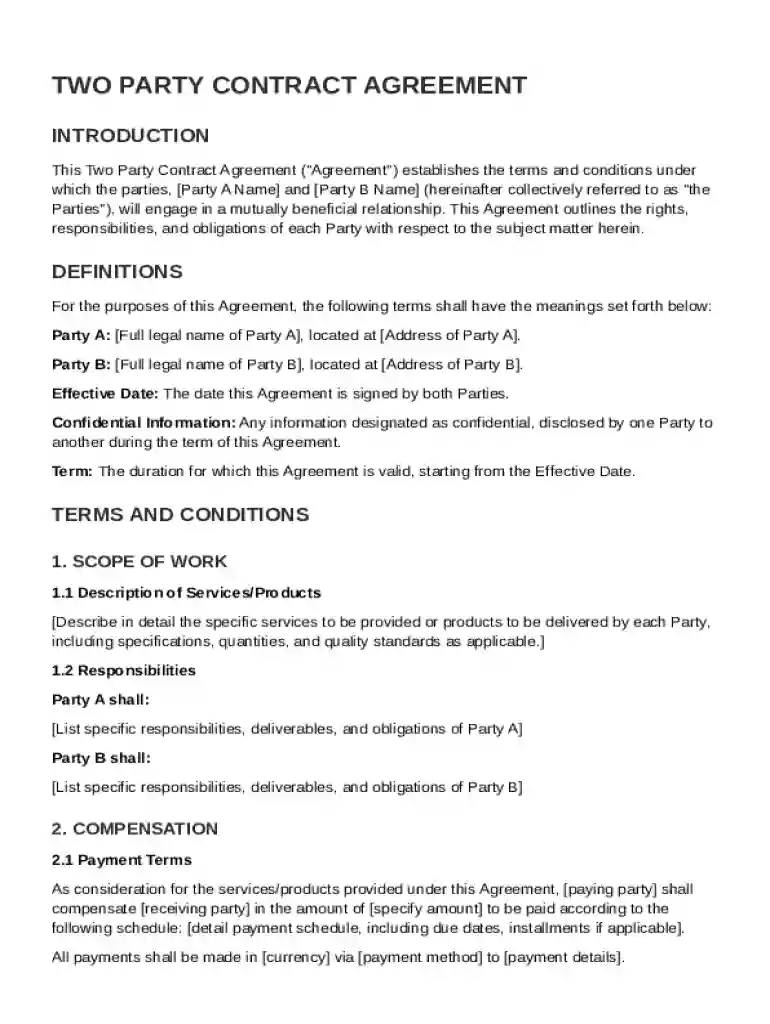
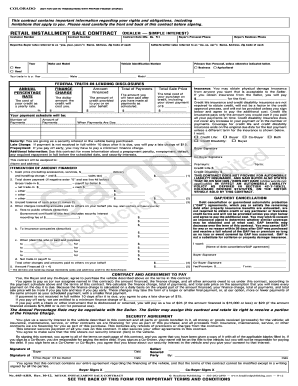
A Two Party Contract Template is a standardized document used to outline the terms and conditions agreed upon by two distinct parties. This type of contract serves as a formal agreement delineating roles, responsibilities, and obligations, ensuring clarity and preventing misunderstandings or disputes. The template functions as a foundational guide to drafting formal contracts tailored to the specific needs of the involved entities. It encompasses various key aspects like compensation, timelines, confidentiality, and dispute resolution, providing a comprehensive framework that can be customized as required.
Key Elements of a Two Party Contract Template
A Two Party Contract Template includes several fundamental components that ensure a well-rounded agreement between both parties. These components typically feature:
- Parties Involved: Clearly identify Party A and Party B with full legal names and contact information.
- Scope of Agreement: Define the activities, services, or products that form the core of the contract.
- Responsibilities and Obligations: Detail the specific duties each party is expected to fulfill throughout the duration of the contract.
- Compensation Details: Outline the payment structure, amounts, and schedule for financial transactions between the parties.
- Confidentiality and Intellectual Property: Provisions safeguarding sensitive information and ownership rights of any intellectual property.
- Termination Conditions: Criteria under which the contract can be terminated and the processes following dissolution.
Important Terms Related to Two Party Contract Template
Understanding key terms is crucial for effective utilization of a Two Party Contract Template. These terms often include:
- Force Majeure: Events beyond control that may excuse the parties from fulfilling contract obligations.
- Amendments: Clauses detailing how modifications to the agreement can be made.
- Governing Law: Specifies the jurisdiction that oversees the contract's legal enforceability.
- Indemnification: Provisions that protect a party from legal liability due to the other party's actions.
How to Use the Two Party Contract Template
The Two Party Contract Template is drafted to streamline the agreement process, making it highly practical and functional. Here's how it should be utilized:
- Identify Parties: Clearly list the names and roles of both parties involved.
- Detail Agreement: Fill in specific details under each relevant heading to ensure precision and factual correctness.
- Negotiate Terms: Collaborate with the other party to negotiate and finalize terms that suit both sides.
- Review: Have a legal professional review the contract to confirm that it covers necessary legal protections.
- Sign & Store: Once both parties are satisfied, signatures are obtained, and copies are distributed to ensure both parties have records for future reference.
Practical Scenarios for Use
Practical use of a Two Party Contract Template might include scenarios such as:
- Business Partnerships: When two businesses are collaborating on a joint venture or dealing with a supplier.
- Freelance Gigs: Independent contractors entering agreements with clients.
- Lease Agreements: Landlords and tenants setting terms for property rental.
Legal Use of the Two Party Contract Template
Utilizing a Two Party Contract Template provides legality and formal recognition to the agreement between two parties. It ensures compliance with legal standards, which is especially important in a U.S. context where ignoring formal contracts can lead to disputes and liabilities.
Compliance with Regulations
- Adhering to State Laws: Contracts need to comply with state-specific regulations which may influence execution and enforceability.
- Execution in Counterparts: Legal allowance where parties in different locations can sign separate copies, which collectively represent the complete agreement.
Who Typically Uses the Two Party Contract Template?
The versatility of a Two Party Contract Template caters to a wide range of users, from businesses to individuals. Here’s who commonly relies on it:

- Small Business Owners and Startups: To formalize partnerships or service agreements with vendors.
- Freelancers and Contractors: For setting terms with clients over project work and compensation.
- Corporate Entities: Engaging in supplier agreements and collaborative projects with other businesses.
- Tenants and Landlords: Drafting rental leases that clearly convey terms and tenant responsibilities.
Steps to Complete the Two Party Contract Template
Completing a Two Party Contract Template is a systematic process designed to ensure all elements align with each party’s interests. Here are the major steps:
- Gather Information: Collect all relevant data about the parties and the agreement specifics.
- Customize Terms: Adjust the template sections to reflect the unique aspects of the agreement.
- Legal Drafting: Write clearly defined terms for obligations, liabilities, and rights.
- Review & Sign: Conduct a thorough review with legal assistance, then proceed to signatures.
Practical Tips
- Clarity in Language: Use precise and concise wording to avoid ambiguity.
- Define Each Term: Clearly define any complex terms or industry-specific jargon.
- Consultation: Seek legal advice to confirm that the contract is legally binding.
Examples of Using the Two Party Contract Template
Understanding specific examples of how this template is employed can offer insight into its versatility. Below are detailed illustrations of its application:
- Vendor Agreements: A company sourcing materials from a supplier would use this template to outline delivery, payment, and quality assurance.
- Employment Contracts: A contract for a freelance web developer with clear deadlines and project specifications.
- Partnership Ventures: Two startups partnering on a project might use this template to allocate resources, timeframe, and shared responsibilities effectively.
Case Studies
- Freelance Designer: A Two Party Contract was used to define project milestones and payment schedules, providing security and clear expectations.
- Real Estate Lease: Landlord and tenant used this template to agree on lease terms, minimizing potential disputes regarding property usage.
State-Specific Rules for the Two Party Contract Template
Contracts can vary across different states due to specific legal requirements and regulations. Here’s a look into some of the variations:
- California: Must consider unique privacy laws which may affect confidentiality clauses.
- New York: Tends to have more stringent regulations on certain clauses, such as those related to employment and compensation.
- Texas: Focus on detailed definitions of force majeure considering regional climate impacts.
Adapting to State Regulations
- Local Legal Counsel: Always advisable to have a legal professional review contracts for compliance with state-specific laws.
- Template Modifications: Adjust template sections accordingly to align with local legal requirements.