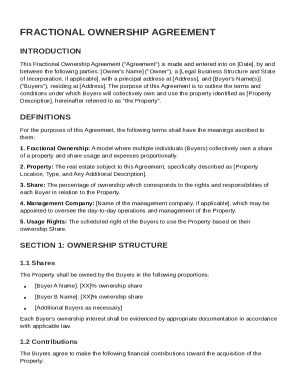
Definition & Meaning
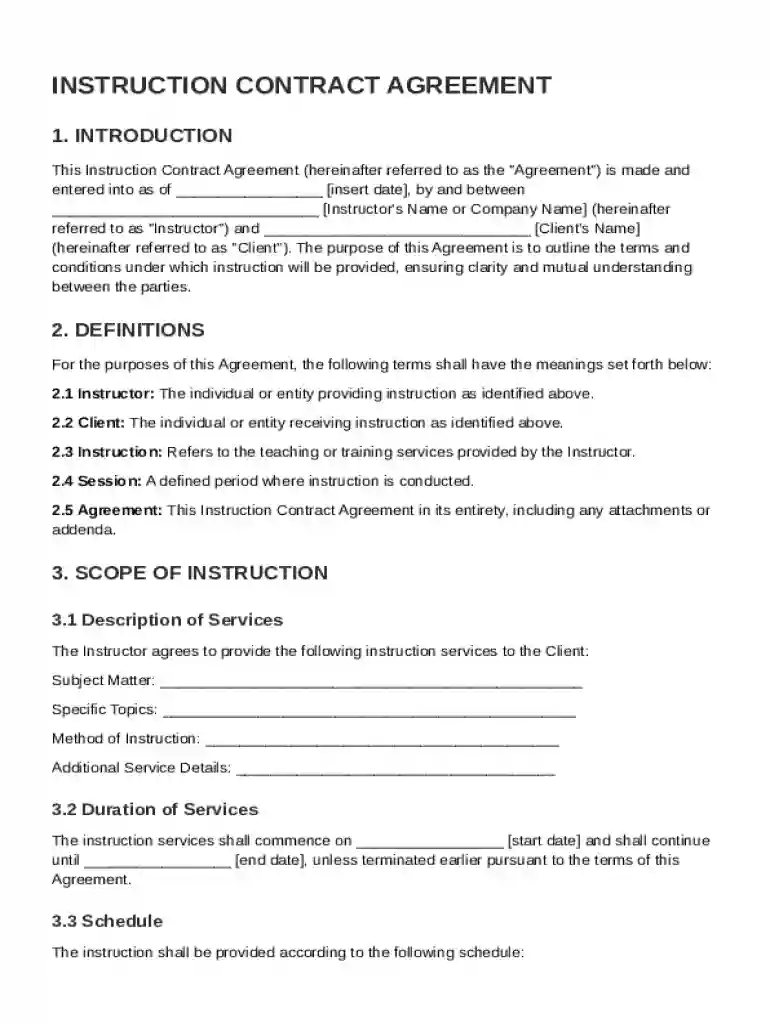
The Instruction Contract Template is a document that outlines the terms and conditions for instructional services provided by an instructor to a client. It ensures that both parties have a clear understanding of their roles, responsibilities, and expectations. This contract serves as a formal agreement that defines key areas such as the scope of services, payment terms, and confidentiality agreements. By articulating these elements, the instruction contract helps establish a solid foundation for the professional relationship between the instructor and the client.
Key Elements of the Instruction Contract Template
An Instruction Contract Template typically includes several vital components:
- Scope of Services: Clearly defines the educational or instructional services to be provided.
- Payment Terms: Outlines the fee structure, including rates, payment dates, and methods of payment.
- Responsibilities: Sets forth the duties and obligations of both the instructor and the client.
- Termination Clause: Describes the conditions under which either party may terminate the contract.
- Confidentiality Agreements: Ensures that any confidential information exchanged during the contract period is protected.
- Liability and Indemnification: Addresses issues of liability and the extent to which parties are held harmless.
- Governing Law: Specifies which jurisdiction's laws will apply to the contract.
- Amendment Procedures: Provides guidelines on how the contract may be modified after it has been signed.
Incorporating these elements ensures that the contract is comprehensive and addresses the essential aspects of the instructional service agreement.
How to Use the Instruction Contract Template
Using the Instruction Contract Template effectively requires understanding its components and adapting them to your specific needs:
- Review Each Element: Go through each section of the template to ensure it aligns with the services you plan to provide.
- Customize for Specific Needs: Modify sections such as the scope of services and payment terms to match your specific circumstances or industry demands.
- Consult Legal Expertise: While the template provides a structured format, consulting a legal professional can help ensure compliance with applicable laws.
This process helps in creating a tailored contract that meets the unique requirements of both the instructor and the client.
Steps to Complete the Instruction Contract Template
Completing the Instruction Contract Template involves several clear steps:
- Identify Participants: Detail the names and contact information of both the instructor and the client.
- Define Services: Clarify the instructional services to be delivered, including the duration and frequency.
- Set Payment Terms: Specify the fee amount, payment schedule, and any applicable late fees.
- Outline Responsibilities: Describe the obligations of each party, emphasizing the service delivery expectations and client responsibilities.
- Include Legal Provisions: Add necessary legal statements such as confidentiality, liability, and governing law.
- Review and Sign: Ensure all parties review the contract thoroughly before signing to confirm mutual understanding and agreement.
Following these steps leads to a structured and legally sound agreement.
Legal Use of the Instruction Contract Template
When employing the Instruction Contract Template, legal considerations are crucial:
- Compliance with Local Laws: Ensure the contract complies with the governing laws specified within the document.
- Validity of Electronic Signatures: Electronic signatures can be used, provided they meet legal standards as outlined by the ESIGN Act.
- Confidentiality Obligations: Confidentiality clauses are legally binding, ensuring protection of sensitive information for both parties.
- Enforceability: Clearly written legal language throughout the document assures its enforceability in legal scenarios.
These legal components protect both parties and provide a framework for resolution should disputes arise.
Important Terms Related to Instruction Contract Template
Understanding specific terminology is essential for effectively utilizing the Instruction Contract Template:
- Indemnification: A clause that ensures one party holds the other harmless from any claims arising out of the contract.
- Force Majeure: Conditions under which contractual obligations might be excused due to unforeseen events.
- Severability Clause: Provides that if any part of the contract is deemed unenforceable, the remainder still holds validity.
- Amendment: Refers to modifications made to the contract after initial agreement, usually needing written consent from both parties.
These terms form the backbone of the contract, ensuring it is thorough and adaptable.
State-Specific Rules for the Instruction Contract Template
Different states may have specific legal requirements impacting the Instruction Contract Template:
- Contract Length Limits: Some states impose maximum durations for service contracts.
- Disclosure Requirements: Certain jurisdictions require specific consumer rights to be disclosed explicitly in service contracts.
- Governing Jurisdiction: The choice of which state laws govern the contract may influence its interpretation and enforceability.
Adapting the template to account for these state-specific rules ensures that it remains valid and enforceable across different legal environments.