Definition & Meaning
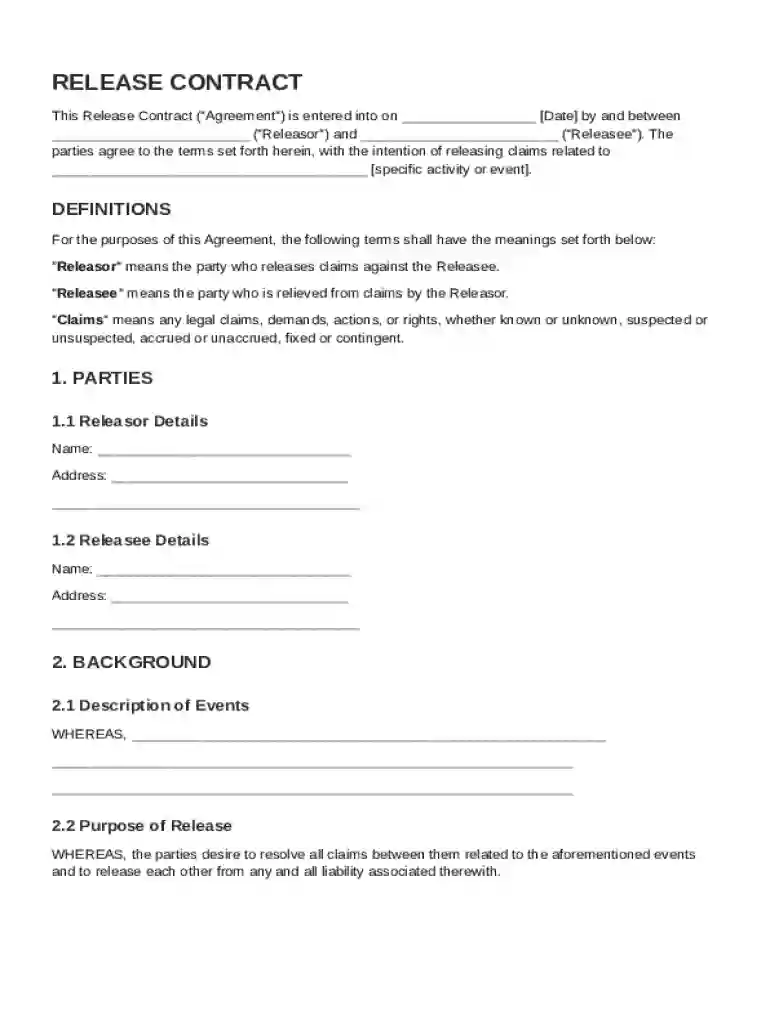
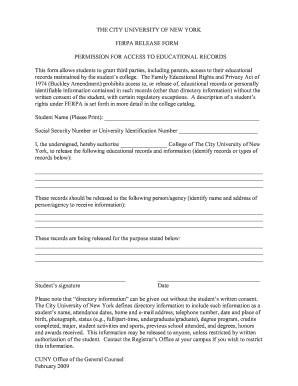
A Release Contract, often referred to as a waiver or a liability release agreement, is a legal document where one party, known as the Releasor, agrees to relinquish certain legal claims or rights against another party, the Releasee. This type of agreement is commonly used to settle disputes and prevent future legal conflicts. The essence of a Release Contract is to ensure that any potential claims related to a specific event, activity, or transaction are formally waived, providing a clear understanding between the parties involved. In the context of the Release Contract Template, it serves as a customizable framework that outlines the necessary terms and conditions to formalize this agreement, ensuring both parties acknowledge the release of claims and their respective obligations.
Key Elements of the Release Contract Template
The Release Contract Template includes several crucial components that define its legality and effectiveness:
- Identification of Parties: Clearly identifies the Releasor and Releasee. This includes full legal names and any relevant contact information to avoid any ambiguity.
- Scope of Release: Details the specific claims or rights being waived. This section is essential to delineate the boundaries of the agreement, ensuring both parties understand the extent of the release.
- Consideration: Describes what the Releasor receives in return for the release, which could be monetary compensation, services, or other forms of benefit.
- Indemnification Clause: Outlines the circumstances under which one party will compensate the other for any claims arising after the release, often included to offer additional protection to the Releasee.
- Governing Law: States the jurisdiction under which the agreement will be interpreted, typically based on where the parties operate or where the incident leading to the release occurred.
How to Use the Release Contract Template
Using the Release Contract Template involves several critical steps to ensure it's tailored to your specific needs:
- Customize the Template: Begin by filling in the identification details for both parties involved. Make use of the platform’s fillable form features to efficiently enter information and edit fields.
- Define the Release Scope: Clearly delineate what legal claims are being waived. Be explicit in this section to avoid future disputes or misunderstandings.
- Specify Consideration: Clearly indicate what, if any, consideration is being provided to the Releasor. This is a legal necessity to make the contract binding.
- Review Legal Clauses: Look over indemnification, governing law, and other legal provisions to ensure they reflect the agreement's intent and protect your interests adequately.
- Finalize and Execute: Once all details are confirmed, both parties should thoroughly review and sign the document. The legally binding nature of electronic signatures on the platform facilitates a smooth and verified signing process.
Legal Use of the Release Contract Template
The Release Contract Template is crafted to facilitate the creation of legally binding agreements by integrating compliant elements aligned with the ESIGN Act, which governs electronic contracts in the United States. It requires acknowledgement from both parties that they are willingly entering into the release and have the authority to do so. This typically involves:
- Ensuring Voluntary Agreement: Both parties must voluntarily agree to the terms without any form of coercion.
- Legal Capacity: Each party should have the legal capacity to execute the contract, often requiring age and mental competence confirmations.
- Full Disclosure: It’s crucial that each party fully understands the terms and implications of the release, which might necessitate a lawyer’s review, especially in complex cases.
Important Terms Related to Release Contract Template
Understanding the terminology within the Release Contract Template is pivotal:
- Releasor: The party who agrees to waive certain claims or rights.
- Releasee: The party who benefits from the relinquishment of claims.
- Liability: Legal responsibility for acts or omissions, which the release aims to protect the Releasee from.
- Indemnity: A provision to compensate for any loss or damage that occurs even with the release in place.
- Waiver: The act of voluntarily giving up a known right, critical to the function of the release.
Steps to Complete the Release Contract Template
To effectively complete the Release Contract Template, follow these detailed steps:
- Access the Template: Utilize a platform like DocHub to open the template, ensuring compatibility with your document needs.
- Input Identification Information: Enter the full names and contact details of both the Releasor and Releasee.
- Detail Release Terms: Clearly specify the rights being waived, providing detailed descriptions of the scope and limitations.
- Outline Any Consideration: Insert details of any considerations if applicable, clearly documenting what the Releasor receives in exchange.
- Review Legal Clauses: Analyze all provided legal clauses to ensure they reflect the agreement and protect all parties adequately.
- Digitally Sign: Use DocHub’s electronic signature feature to sign the template legally and securely.
- Store and Share: Once completed and signed, store the document securely and distribute copies to all involved parties via integrated sharing options.
Examples of Using the Release Contract Template
Practical scenarios illustrate the utility of the Release Contract Template:
- Settlement of Workplace Disputes: A company might use it to settle an employment-related claim with an exiting employee, providing severance in exchange for a release of claims.
- Event Participation: An outdoor adventure company can require participants to sign a Release Contract acknowledging the risks of participating in activities like rock climbing or whitewater rafting.
- Product Concerns: A manufacturer might offer a refund plus an extra monetary consideration to a customer in exchange for a release from any claims concerning a defective product.
By thoroughly understanding and utilizing the Release Contract Template, both parties can ensure a comprehensive and legally sound agreement tailored to their specific needs and circumstances.