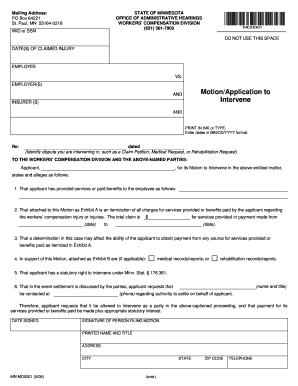
01. Edit your dbs dispute form online
Type text, add images, blackout confidential details, add comments, highlights and more.

Type text, add images, blackout confidential details, add comments, highlights and more.

Draw your signature, type it, upload its image, or use your mobile device as a signature pad.

Send dbs dispute form via email, link, or fax. You can also download it, export it or print it out.
The DBS Dispute Form is an official document used to challenge or correct information on a Disclosure and Barring Service certificate, often utilized in employment or volunteer screening processes in the U.S. It is a crucial tool for individuals seeking to ensure the accuracy of their personal and criminal record details reported in background checks. Given the sensitivity of the information involved, the form provides a structured process to rectify any discrepancies that may impact one's professional or personal life. Correctly addressing errors ensures that individuals maintain accurate records, an essential aspect in fields where background checks are a prerequisite for employment, licensing, or volunteer opportunities.
Using the DBS Dispute Form involves a few key steps that are vital to ensuring the information you are disputing is addressed accurately and effectively. Begin by thoroughly reviewing your DBS certificate to identify any inaccuracies or issues that need correction. Once identified, fill out the pertinent sections of the dispute form to specify the nature of the error, offering your detailed explanation and any supporting evidence required to substantiate your claim. Submit the form to the appropriate organization, ensuring all sections are complete and that any necessary supplementary documents are included. Throughout the process, keep a record of all communications and submissions for future reference.
Obtaining the DBS Dispute Form is a straightforward process that can typically be completed online or by contacting the organization that issued the original certificate. Many organizations that conduct background checks offer direct links on their websites to download or request the form. Alternatively, contacting the customer service department of the issuing body for a physical copy or more guidance is recommended. For individuals without internet access, visiting the institution's local office might also be a viable method to request the form.
Completing the DBS Dispute Form requires attention to detail to ensure accuracy and completeness. Start by filling in your personal details, including your full name, contact information, and any reference numbers related to your DBS certificate. Proceed by clearly stating the sections of the certificate you dispute, elaborating on the discrepancies. Provide any evidence that supports your claim, ensuring it is well-organized and accurately referenced. Finally, review the form for completeness and accuracy before submission, as incomplete forms may delay the dispute resolution process.
Understanding the terminology related to the DBS Dispute Form can enhance the accuracy and success of your application. Terms like "Disclosure", "Barring", and "Certificate Holder" are crucial to comprehend as they frame the context of your dispute. "Fingerprint Consent" might also be used for identity verification during the dispute process. Familiarity with such terms ensures you understand the implications of the disputed information and the process involving its correction.
The legal use of the DBS Dispute Form is grounded in ensuring the accuracy of official public records. This form serves as a mechanism for individuals to exercise their right to correct inaccuracies that could affect their eligibility for employment or other opportunities. State and federal regulations mandate that sensitive information be kept accurate and secure, making this form an essential legal tool in maintaining the integrity of background screening processes. It offers a structured and recognized means to dispute and correct erroneous disclosures in compliance with respective privacy laws.
The DBS Dispute Form encompasses several critical elements, each serving distinct purposes to facilitate the correct handling of disputes. Key elements include personal information, specific details of the disputed item, the reason for the dispute, and verification documents. These elements ensure that no aspect of the dispute process is overlooked and allows the processing organization to efficiently address and rectify reported errors.
Real-world examples illustrate the utility of the DBS Dispute Form. For example, healthcare workers often use the form to dispute inaccurate criminal records that might wrongly impact their professional standing. Similarly, educators and volunteers might utilize the form to rectify errors concerning their eligibility to work with minors or vulnerable groups. These examples underscore the form's importance in protecting professional reputations and ensuring that individuals are not unjustly barred from employment opportunities based on incorrect data.
At DocHub, your data security is our priority. We follow HIPAA, SOC2, GDPR, and other standards, so you can work on your documents with confidence.