Definition and Purpose of the Conditional Use Permit Application
A Conditional Use Permit Application is a formal request submitted to a local government authority to obtain permission for land uses that deviate from established zoning ordinances. These permits are typically required for activities or land uses that present unique characteristics or potential impacts that are not generally permitted by right within a specific zoning district. This process allows for the evaluation of proposed land uses on a case-by-case basis to assess their compatibility with existing development and community standards.
- Unique Land Uses: Conditional use permits are essential for developments that do not conform to designated zoning classifications but may still be considered beneficial if certain conditions are met.
- Community Impact Assessment: The permitting process involves assessing potential impacts on the community, such as traffic, noise, and environmental effects.
- Local Planning Considerations: Government bodies consider the broader planning goals and strategies when evaluating these applications, ensuring alignment with community development objectives.
How to Use the Conditional Use Permit Application
Using a Conditional Use Permit Application effectively requires understanding how to articulate the potential benefits of the proposed land use while addressing potential community concerns. Applicants should present a clear and comprehensive plan accompanied by supporting documentation.
- Proposal Overview: Applicants must provide a detailed description of the proposed use, including operational hours, number of employees, and intended alterations to the property.
- Site Plan Submission: A detailed site plan illustrating the proposed development, including layout, access points, and landscaping, must be included.
- Supporting Evidence: Documentation justifying the suitability of the proposed use, such as traffic studies or environmental assessments, should be attached to the application.
Steps to Complete the Conditional Use Permit Application
Completing a Conditional Use Permit Application involves a thorough and methodical approach to ensure all required elements are accurately addressed. The process may vary by jurisdiction but generally includes the following steps:
- Pre-Application Meeting: Arrange a meeting with local planning officials to discuss the feasibility of the proposal and gather information on the application process.
- Complete the Application Form: Fill out the application form, providing accurate details concerning the proposed use, property specifics, and applicant information.
- Public Notice and Hearing: Once the application is filed, notifications are sent to neighboring property owners, followed by a public hearing to assess community opinions and concerns.
- Community Input: During the public hearing, applicants may need to present their case and respond to any community feedback or objections.
- Review and Decision: The application is reviewed by the planning commission or local authority for compliance with zoning regulations and community compatibility. Approval or denial is communicated following the review.
Important Terms Related to the Conditional Use Permit Application
Understanding terminology associated with Conditional Use Permit Applications is vital for applicants. Key terms include:
- Zoning Ordinance: Laws that dictate permissible property uses within specific geographic areas, establishing development standards.
- Non-Conforming Use: Existing land use that does not adhere to current zoning laws but is allowed to continue under certain conditions.
- Public Hearing: A formal meeting open to public participation, where community members can express their views on the proposed development.
State-Specific Rules for the Conditional Use Permit Application
State-specific regulations may influence the application process and requirements for Conditional Use Permits. Each state may have unique governing laws reflecting regional planning priorities and environmental considerations.
- Virginia Example: In Virginia, the local government's authority to issue conditional use permits is governed by state enabling legislation, allowing for tailored approaches to zoning and planning.
- Regional Variations: Applicants must consider regional variations, such as state-specific environmental regulations or historical preservation requirements, that impact the application process.
Required Documents for the Conditional Use Permit Application
Submitting a comprehensive Conditional Use Permit Application requires preparing several critical documents:
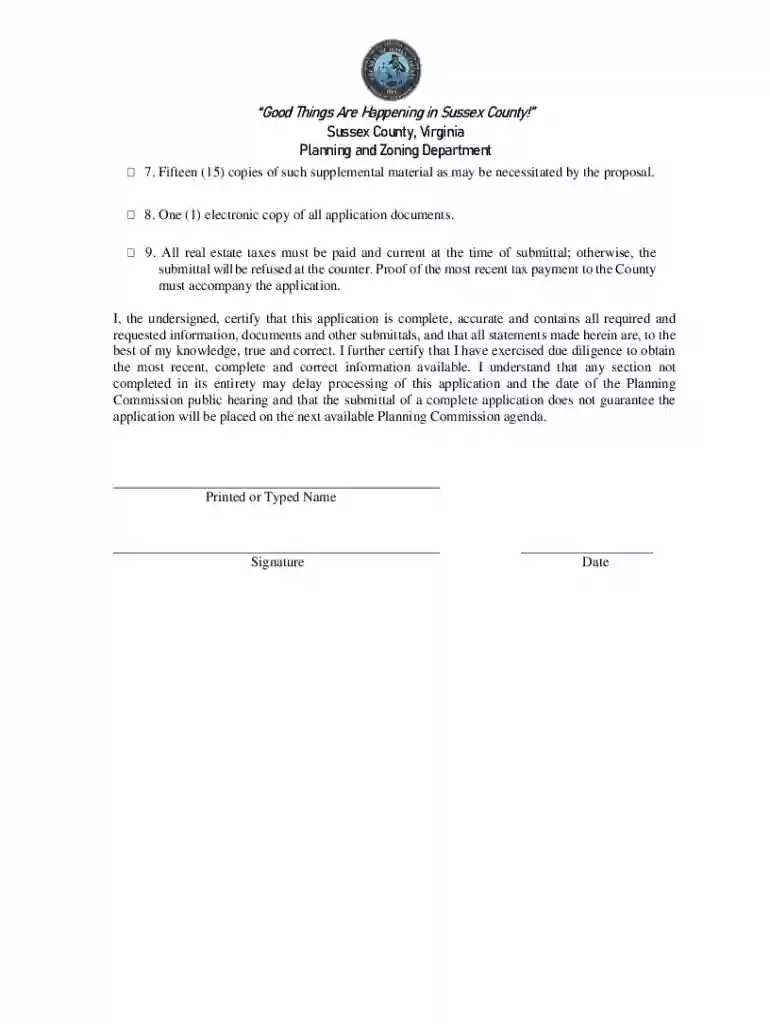
- Complete Application Form: A fully filled-out application form detailing the proposed use.
- Site Plans and Drawings: Detailed maps, elevations, and landscape designs depicting how the development will integrate with existing surroundings.
- Impact Studies: Reports assessing potential impacts on traffic, environment, and community infrastructure from the proposed development.
Application Process and Approval Time for the Conditional Use Permit
The application process for a Conditional Use Permit involves several stages, each with its timeline. The overall approval time can vary significantly based on the complexity of the proposal and local government schedules.
- Initial Application Review: The initial review phase generally takes several weeks, during which staff evaluate the completeness of the application and its adherence to zoning laws.
- Public Hearing Scheduling: Scheduling a public hearing for community engagement might add a few more weeks to the timeline.
- Final Decision: After the hearing and reviews, a decision is typically rendered within a prescribed timeframe, often ranging from a few weeks to several months.
In summary, the Conditional Use Permit Application process is an essential tool for managing land uses that may deviate from traditional zoning practices but offer potential benefits to the community. Understanding the thorough requirements and presenting a detailed proposal aids in achieving successful application approval.