




01. Edit your form online
Type text, add images, blackout confidential details, add comments, highlights and more.

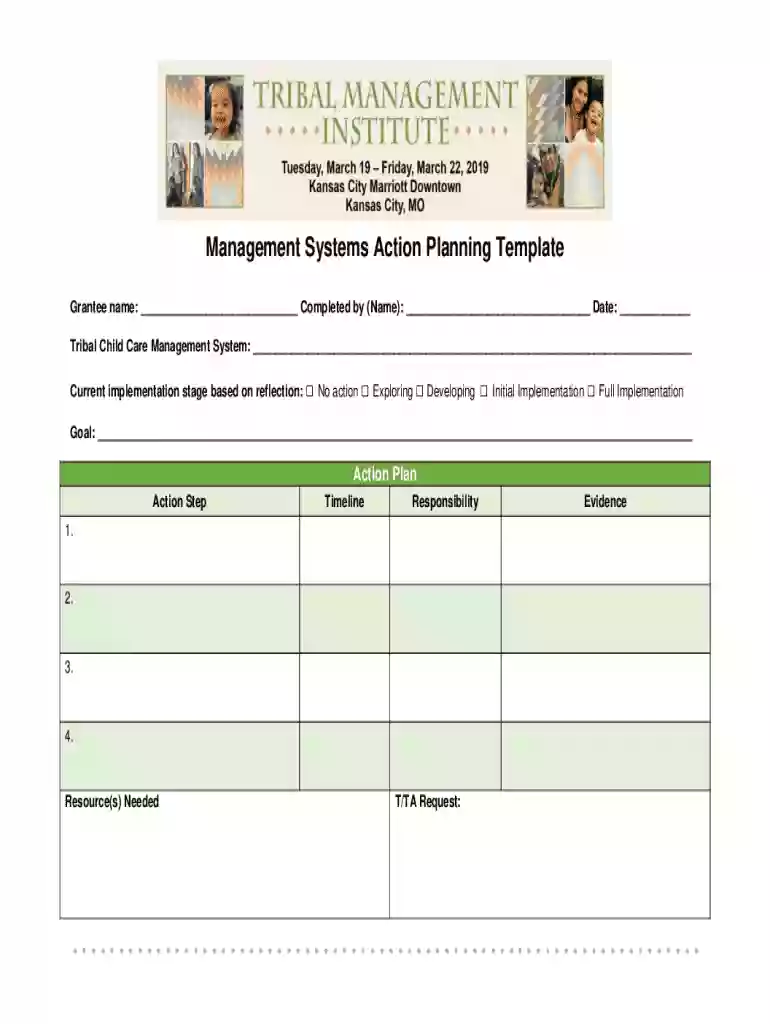
Type text, add images, blackout confidential details, add comments, highlights and more.

Draw your signature, type it, upload its image, or use your mobile device as a signature pad.

Send it via email, link, or fax. You can also download it, export it or print it out.
The Management Systems Action Planning Template is designed to aid grantees in outlining their action plans related to the Tribal Child Care Management System. This tool plays an essential role in helping organizations to effectively plan and manage projects. By offering a structured way to identify the current implementation stage, it allows users to set clear goals and detail action steps, complete with timelines and allocated responsibilities.
Implementation Stage Identification: Begin by determining the current phase of your management system implementation. This establishes a baseline for understanding progress and helps in setting actionable goals.
Goal Setting: Clearly define the goals that your organization aims to achieve. These should be aligned with your overall strategy and should be Specific, Measurable, Achievable, Relevant, and Time-bound (SMART).
Action Steps & Timelines: Detail the specific activities required to achieve each goal. Break down the tasks into manageable steps with designated timelines to ensure progress remains on track.
Responsibility Allocation: Assign specific responsibilities to team members. This ensures accountability and provides clarity on who is responsible for each task.
Resource Specification: Identify the resources required for each action step. This could include financial budgets, human resources, or technological tools required to achieve plan objectives.
Grantees can use the Management Systems Action Planning Template by systematically working through its sections, ensuring all relevant information is captured. This includes documenting the current status, defining future goals, and planning the necessary steps to achieve these goals.
Identify the Implementation Stage: Assess where your current processes stand. This might involve a review of existing workflows and systems.
Set Clear Goals: Define what success looks like for your management system. Discuss with stakeholders to ensure goals align with organizational priorities.
Outline Action Steps: Break down each goal into actionable steps. Consider sequencing these steps logically to ensure effective progression.
Assign Responsibilities: Identify team members who will be responsible for each task. Clearly communicate their roles and expectations.
Determine Resources Needed: Assess the resources you will need for successful implementation. This may include internal and external resources.
Obtaining the Management Systems Action Planning Template is typically straightforward for grantees. This template can be accessed through organizational resources provided by the funding agency or relevant governmental departments. It may be available in digital formats for ease of use and distribution.
The template primarily serves organizations involved in managing Tribal Child Care Systems, particularly grantees. It is an invaluable tool for project managers, coordinators, and administrative staff who require a framework to plan and execute management systems effectively.
Project Managers: Responsible for overseeing the implementation of child care management systems and ensuring goals are met within specified timeframes.
Administrative Coordinators: Tasked with managing day-to-day operations and ensuring that resources are effectively utilized.
The Management Systems Action Planning Template should be used in line with any federal, state, and local laws that govern tribal child care systems. This includes compliance with regulations related to funding, data protection, and information sharing.
Data Privacy: Ensure that any sensitive information processed during the planning stages is protected according to legal requirements.
Funding Guidelines: Adhere to expenditure and reporting guidelines as outlined by funding bodies.
To maximize the benefits of the template, users should focus on precise documentation and realistic goal-setting. Ensure all necessary stakeholders are involved early in the planning stages to gather diverse insights and buy-in.
Comprehensive Documentation: Keep thorough records at each step to facilitate future assessment and reporting.
Stakeholder Engagement: Involve relevant parties to garner insights, support, and shared accountability.
Real-world examples highlight successful implementations of the Management Systems Action Planning Template across various projects. By providing a structured approach, organizations can track progress, make informed decisions, and adapt plans as needed.
Example 1: A tribal organization that successfully integrated new technological tools by clearly defining each step in its action plan and allocating specific resources and responsibilities.
Example 2: An organization that used the template to set incremental goals, which helped in gradually deploying updated child care services without disrupting existing operations.
These structured approaches and examples demonstrate how this template can drive efficient and effective project outcomes. By fostering organized planning and execution, it empowers organizations to fulfill their strategic objectives.
We've got more versions of the Management Systems Action Planning Template Management Systems Action Planning Template form. Select the right Management Systems Action Planning Template Management Systems Action Planning Template version from the list and start editing it straight away!
At DocHub, your data security is our priority. We follow HIPAA, SOC2, GDPR, and other standards, so you can work on your documents with confidence.
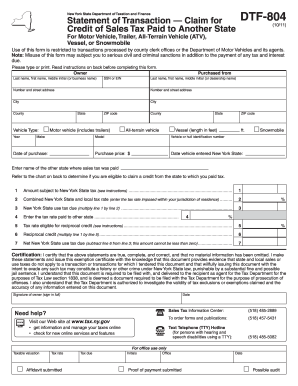


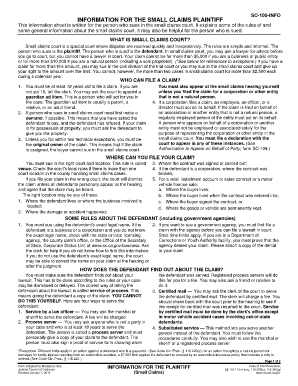
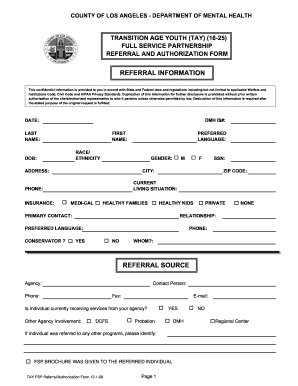

These resources can help you develop action plans to achieve the energy objectives and targets established by your organization: Energy Management Action PlanRead more
Tool 1: Action Planning Template. This is a downloadable, editable template you are welcome to adapt and use for your groups purposes.Read more


