



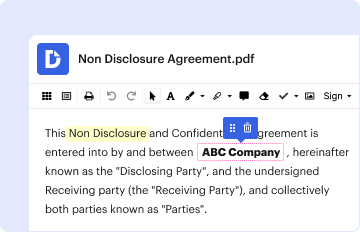
01. Edit your form online
Type text, add images, blackout confidential details, add comments, highlights and more.

Type text, add images, blackout confidential details, add comments, highlights and more.
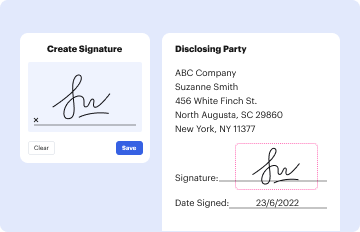
Draw your signature, type it, upload its image, or use your mobile device as a signature pad.

Send it via email, link, or fax. You can also download it, export it or print it out.
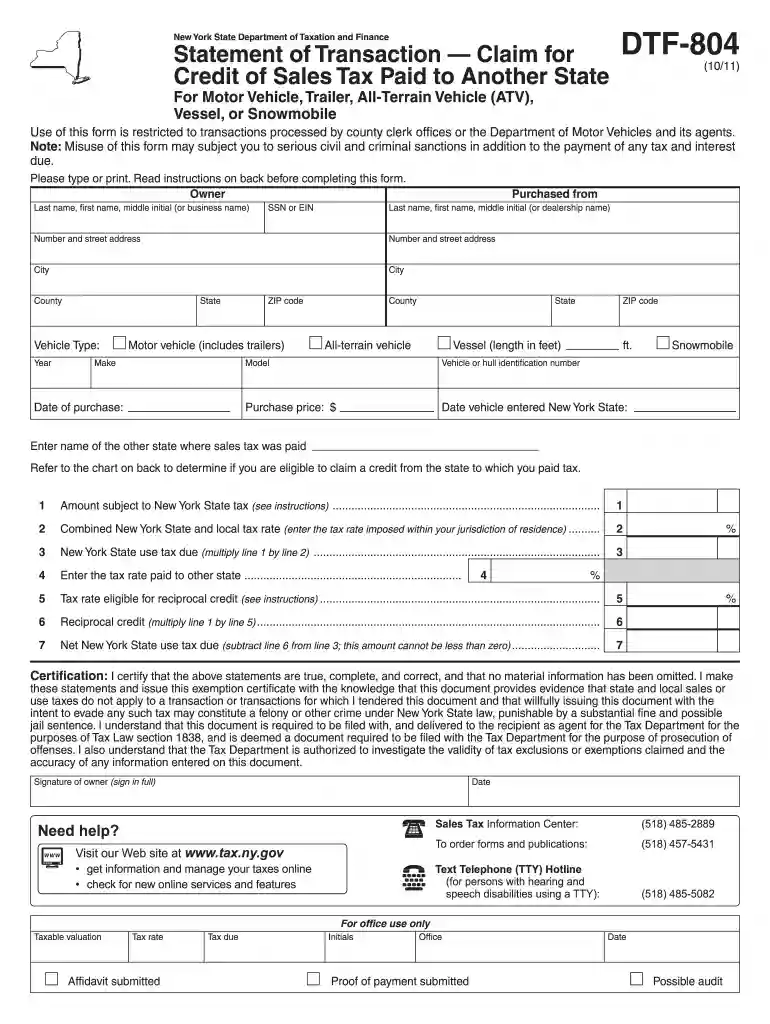
The DTF form, known as the "Credit for Sales Tax Paid to Another State," is issued by the New York State Department of Taxation and Finance. It allows taxpayers to claim a credit for the sales tax paid to another state when purchasing specific motor vehicles, trailers, ATVs, vessels, or snowmobiles. This credit is crucial for ensuring taxpayers do not face double taxation on their cross-state purchases.
The DTF form can be easily accessed online through the New York State Department of Taxation and Finance's official website. Alternatively, taxpayers may request a physical copy directly from the department or visit a local tax office that provides tax-related forms. It's vital to use the correct version of the form to ensure compliance with the relevant tax year regulations.
The DTF form requires specific details such as the purchaser's name, address, and taxpayer identification number. Additionally, information about the purchased item, including the type, make, model, and identification number, must be provided. The form also asks for the amount of sales tax paid to another state and documentation supporting the claim.
Eligibility for using the DTF form typically involves having paid sales tax in another state on a qualifying purchase such as a motor vehicle, trailer, ATV, vessel, or snowmobile. The item must be brought into New York, and the payer should prove that tax was indeed paid elsewhere. Eligibility may vary based on specific terms set by state regulations.


Using the DTF form legally requires the taxpayer to accurately report all necessary information and provide appropriate documentation supporting the credit claim. Any misuse or fraudulent reporting can result in penalties, such as additional tax liabilities, fines, and potential legal action for tax evasion.
Failing to comply with the requirements of the DTF form can lead to significant consequences. These may include disallowance of the claimed credit, imposition of additional taxes, penalties, and interest charges. Intentional misrepresentation or fraud can lead to even more severe legal repercussions.
While this form is specific to New York State, taxpayers must also be aware of varying sales tax rules in other states where purchases are made. Each state's tax code affects tax credit eligibility, and compliance with both states' regulations is essential for successfully claiming a sales tax credit.
When submitting the DTF form, supporting documents are crucial. These include sales receipts showing tax paid, purchase agreements, and any correspondence with the state where the vehicle or item was purchased. These documents substantiate the claim and ensure accurate processing by taxation authorities.
Taxpayers have a few options when it comes to submitting the DTF form. They can submit it online via the New York State Department of Taxation and Finance website, mail it to the appropriate address provided by the department, or deliver it in person at a designated tax office. Each method has specific processing times and requirements for submission.
Understanding the filing deadlines for the DTF form is essential for avoiding penalties. Typically, this form should be submitted by the tax return deadline for the year in which the purchase was made. However, additional state-specific dates might influence when you need to file, so checking with the New York State Department of Taxation and Finance for the current year’s deadlines and updates is advisable.
We've got more versions of the dtf 804 2011 form form. Select the right dtf 804 2011 form version from the list and start editing it straight away!
At DocHub, your data security is our priority. We follow HIPAA, SOC2, GDPR, and other standards, so you can work on your documents with confidence.
Apr 1, 2015 In 2011, e-commerce retail sales increased by 16.4 percent year over year.22 E-commerces growth rate represents more than twice that of totalRead more
Jun 29, 2026 DTF-804, Instructions on form, Statement of Transaction - Claim for Credit of Sales Tax Paid to Another State - For Motor Vehicle, TrailerRead more


