
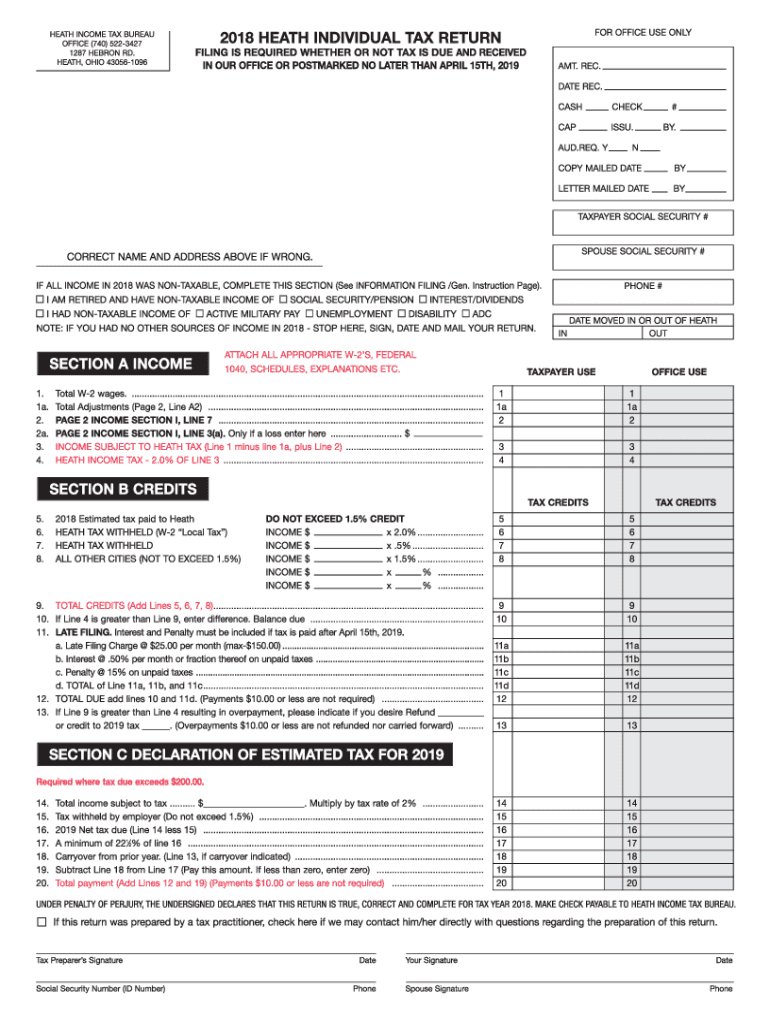







Definition & Meaning
The phrase "form online" generally refers to any document or application that can be filled out and submitted via the internet. These forms are widely used across various industries, including government, healthcare, education, and business, making them essential tools for collecting information efficiently. Online forms allow users to input data digitally, eliminating the need for paper and physical submission. This method not only saves time but also enhances accessibility, allowing users to complete and submit forms from virtually anywhere. The significance of online forms has grown alongside the increasing reliance on digital communications and workflows.
How to Use the Form Online
Using an online form typically follows a straightforward process. First, users must access the form through a specific website or platform. Once on the form page, individuals can enter the required information into designated fields, which might include text boxes, checkboxes, and dropdown menus. After completing all necessary sections, the form can usually be submitted with a simple click of a "Submit" button. Many platforms offer the option to review entered data before submission to ensure accuracy. Some forms might also include autosave features, so information is not lost in case of an accidental closure or internet disruption.
Real-World Scenarios
- Job Applications: Candidates apply for positions using online forms to submit resumes and experience details.
- School Enrollment: Parents fill out digital forms for registering students in educational institutions.
- Customer Feedback: Companies collect feedback through online surveys embedded in emails or websites.
Steps to Complete the Form Online
- Access the Form: Navigate to the website or service where the form is hosted.
- Fill Out Required Fields: Carefully input the information into each field. Required fields are usually marked with an asterisk.
- Review Entries: Before submitting, verify that all information is correctly entered.
- Submit the Form: Click the "Submit" button to send your form for processing. Some platforms provide a confirmation message or email to indicate successful submission.
Additional Tips
- Save a Copy: Some online forms allow users to download or print a copy for their records.
- Use Internet Connectivity: Ensure a stable internet connection to avoid disruptions during the submission process.
Why Should You Form Online
Using online forms offers numerous advantages over traditional paper forms. One of the primary benefits is convenience, as users can complete and submit forms without the need to be physically present at a location. Online forms are also more environmentally friendly as they reduce paper usage. They improve data accuracy by minimizing manual data entry errors and often include validation rules that check for inconsistencies or missing information. Furthermore, online forms can be processed faster, providing quicker responses or decisions, which is particularly beneficial in time-sensitive situations.
Who Typically Uses the Form Online
Online forms are used by a diverse array of individuals and organizations for various purposes. Businesses rely on them for customer service inquiries, feedback, and transactional purposes. Government agencies use online forms to streamline services such as tax filings and benefit applications. Educational institutions use them for registration and student assessments. Healthcare providers utilize online forms for patient intake and appointment scheduling. Essentially, any entity that requires structured data collection or documentation can benefit from using online forms.


Key Elements of the Form Online
Most online forms share a set of common elements designed to facilitate user interaction and accurate data collection:
- Input Fields: Areas where users enter data, such as text fields, radio buttons, and checkboxes.
- Validation: Logic that ensures required fields are completed correctly, helping to avoid errors during submission.
- Instructions: Clear guidance on how to fill out the form, aiding users in providing the necessary information.
- Submit Button: A finalize action that sends the completed form to the intended recipient or system.
Considerations for Effective Form Design
- User-Friendly Layout: Design forms to be intuitive and easy to navigate.
- Accessibility: Ensure the form is accessible to users with disabilities, incorporating features like screen reader compatibility.
Legal Use of the Form Online
The legal use of online forms includes compliance with privacy laws and regulations, ensuring collected data is stored and used appropriately. Forms that involve electronic signatures must adhere to laws such as the ESIGN Act, which governs the legality of electronic signatures in the United States. This act ensures that digital signatures are valid and enforceable, similar to traditional handwritten signatures. Organizations using online forms need to provide secure environments to protect sensitive information, demonstrating adherence to legal standards and fostering user trust.
Form Submission Methods (Online / Mail / In-Person)
While online submission is the most efficient and widely used method, some platforms or organizations might also offer alternative submission methods for those who either cannot or prefer not to submit forms digitally:
- Mail: Hardcopy forms can be printed, filled out manually, and sent via postal service.
- In-Person: Some institutions allow individuals to physically deliver completed forms to a specified location.
Each method has its advantages and can be chosen based on convenience, form complexity, or user preference.
Software Compatibility
To enhance functionality, several software solutions are compatible with online forms for different purposes, such as data integration and process automation. Platforms like Google Workspace, Microsoft Office Suite, and various Customer Relationship Management (CRM) systems can be used in conjunction with online forms to further streamline workflows. This compatibility ensures that the forms can be seamlessly integrated into existing digital ecosystems, making it easier to manage and analyze data collected from various sources.


