




01. Edit your form online
Type text, add images, blackout confidential details, add comments, highlights and more.

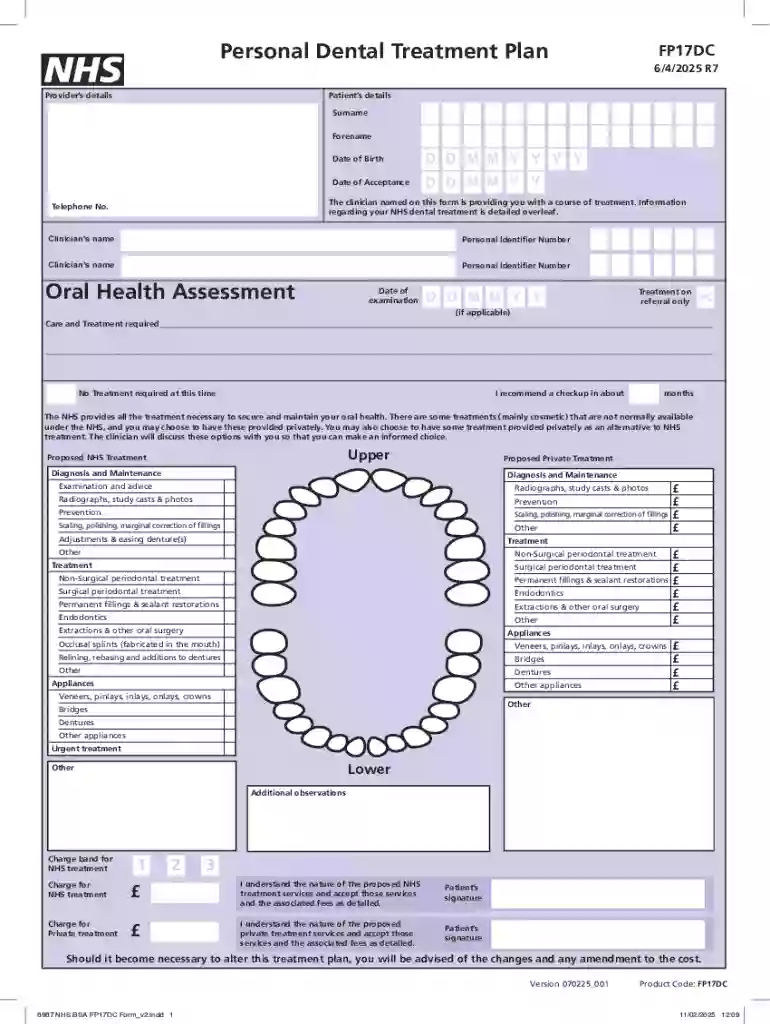
Type text, add images, blackout confidential details, add comments, highlights and more.

Draw your signature, type it, upload its image, or use your mobile device as a signature pad.

Send it via email, link, or fax. You can also download it, export it or print it out.
The term "form online" typically refers to an electronic version of a document or template that can be completed and submitted via the internet. Forms online include a wide range of purposes such as applications, registrations, data collection, surveys, and more. They are designed to streamline the process of gathering and processing information, significantly reducing or eliminating the need for physical paperwork. Unlike their paper counterparts, these forms can offer enhanced functionality including interactive elements such as dropdown menus and checkboxes.
Access the Form: Begin by locating the form you need. It may be on a designated website or sent to you via a link in an email.
Fill in Required Information: Input all requested data. Many forms have fields that are mandatory, which will be clearly marked, usually with an asterisk.
Review the Information: Always double-check the information entered to ensure accuracy and completeness, checking for typos or missing details.
Submit the Form: Once completed, look for a 'Submit' button or equivalent to officially send your information through the platform.
Save the Confirmation: After submission, you may receive a confirmation or reference number. Make sure to save or print this for future reference.
Forms can be obtained in various ways depending on their purpose and origin:
Using forms online provides several advantages:
When submitting forms online, especially those with legal implications, it is crucial to consider:
Utilizing forms online typically requires compatible software or platforms:
When completing forms online, further documentation may be required:
Select these blocks provides a comprehensive understanding of using forms online, offering both practical guidance and legal insight. Each section is rich in detail, ensuring users are well-informed in handling electronic documents.
We've got more versions of the Personal Dental Treatment Plan FP17DC form. Select the right Personal Dental Treatment Plan FP17DC version from the list and start editing it straight away!
At DocHub, your data security is our priority. We follow HIPAA, SOC2, GDPR, and other standards, so you can work on your documents with confidence.


