




01. Edit your form online
Type text, add images, blackout confidential details, add comments, highlights and more.

Type text, add images, blackout confidential details, add comments, highlights and more.

Draw your signature, type it, upload its image, or use your mobile device as a signature pad.

Send it via email, link, or fax. You can also download it, export it or print it out.
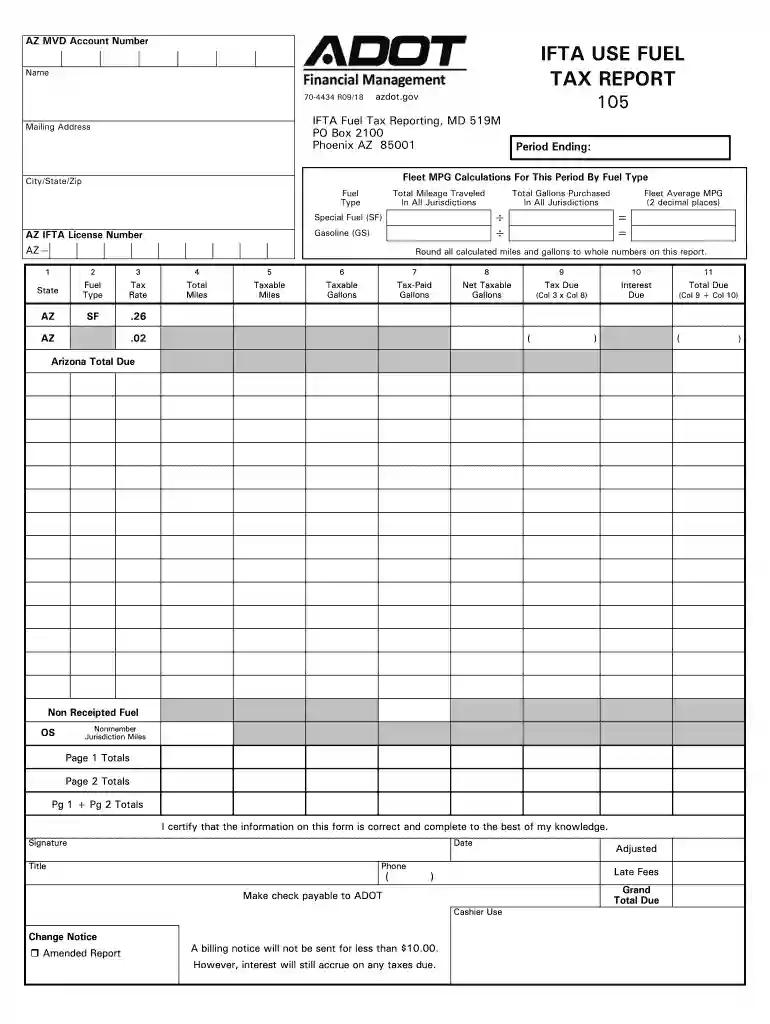
Fleet MPG Calculations for this period by fuel type represent a methodical approach to determine the fuel efficiency of a collection of vehicles within a specific timeframe. Typically tracked in miles per gallon (MPG), this process helps businesses and organizations analyze their fleet's performance in terms of fuel consumption. By assessing fleet MPG by fuel type, companies can identify which vehicles are most efficient and which may require adjustments or replacements. Understanding these calculations is fundamental for businesses aiming to optimize fuel economy, reduce operational costs, and lower carbon emissions.
To effectively use this method of calculation, organizations should:
Collect Data: Gather reliable data on miles driven and fuel consumed for each vehicle in the fleet during the designated period. It is crucial to distinguish data by fuel type used (e.g., gasoline, diesel).
Perform Calculations: Calculate MPG for each vehicle by dividing the total miles driven by the gallons of fuel consumed. Conduct this calculation separately for each fuel type to maintain specificity.
Analyze Results: Review the results to discern trends in fuel efficiency among different vehicles and fuel types. This data aids in making informed decisions regarding vehicle maintenance or fleet replacement policies.
Implement Adjustments: Use insights gained to refine fleet management strategies, such as optimizing routes, promoting fuel-efficient driving practices, or investing in upgraded technologies and vehicles.
Prepare Custom Forms: Create or obtain fleet-specific forms for recording mileage, fuel purchased, and expenses incurred, ensuring accurate data collection.
Maintain Clear Records: Implement a consistent method for fleet operators to log data accurately. Utilize digital documentation tools to reduce errors.
Compile Collected Data: Aggregate data into a central database. This ensures ease of access and facilitates comprehensive analysis.
Execute Calculations: Use the formula: MPG = Total Miles Driven / Total Gallons Used, segmented by fuel type. Consider using software to automate the process and ensure precision.
Generate Reports: Create detailed reports summarizing MPG data, highlighting areas for improvement, and tracking changes over time to monitor progress.
Miles Driven: Track total miles logged by each vehicle during the specified period.
Fuel Type: Specify the type of fuel used by each vehicle (e.g., gasoline, diesel, electric) as it affects MPG results.
Fuel Consumed: Record total gallons consumed, integrating refueling stops and expenses.
Vehicle Efficiency: Evaluate individual vehicle performance to identify anomalies or trends in fuel usage.
Environmental Impact: Consider emissions data tied to fuel consumption for reporting and compliance.
Businesses with sizable vehicle fleets—such as logistics corporations, delivery services, and transportation providers—regularly utilize these calculations. Municipal services, including public works or utility providers, also benefit from tracking fleet MPG. By understanding detailed usage patterns across different fuel types, these users can manage costs more effectively and adhere to regulatory requirements.
Fleet MPG calculations serve not only operational purposes but also assist in compliance with environmental standards and fuel efficiency regulations. These calculations can fulfill reporting requirements for government initiatives like the Environmental Protection Agency's (EPA) SmartWay program, which aims to reduce transportation-related emissions. Accurate documentation is vital as it may protect organizations from potential penalties while enabling participation in incentive programs.
Consider a delivery company analyzing fleet MPG to determine the cost-effectiveness of transitioning from diesel to hybrid vehicles. By comparing diesel versus hybrid MPG, the company can calculate potential savings over time. Similarly, a public transit agency can review fuel usage by distinct fuel types to plan for sustainable fleet upgrades, aligning with citywide emissions reduction goals.
Understanding fleet MPG is vital for organizations aiming to manage fuel expenditures, extend vehicle lifecycles, and contribute to environmental sustainability. By evaluating MPG data, businesses can implement data-driven strategies to optimize their operations. This analysis supports financial planning and ensures adherence to regional and national compliance standards in fleet management.
We've got more versions of the Fleet MPG Calculations For This Period By Fuel Type form. Select the right Fleet MPG Calculations For This Period By Fuel Type version from the list and start editing it straight away!
At DocHub, your data security is our priority. We follow HIPAA, SOC2, GDPR, and other standards, so you can work on your documents with confidence.



Average fuel economy will be calculated to the nearest 0.1 mpg. MPGG = The combined model type fuel economy for operation on gasoline or diesel fuel
Average fuel economy will be calculated to the nearest 0.1 mpg for the categories of automobiles identified in this section,


