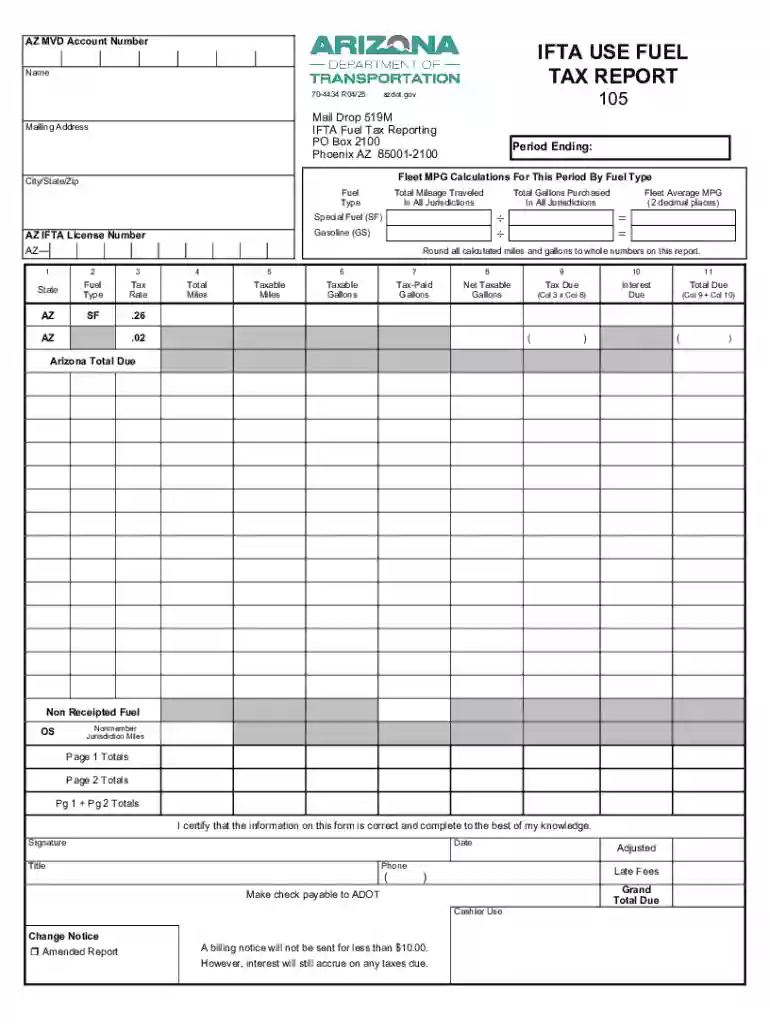
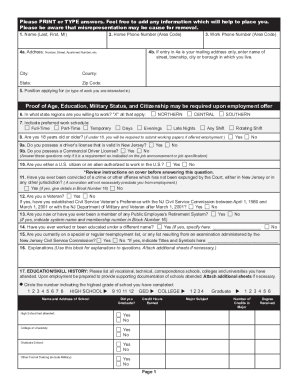
Ifta Use Fuel Tax Report 2026

Get Form
Ifta Use Fuel Tax Report Preview on Page 1

Here's how it works

01. Edit your form online
Type text, add images, blackout confidential details, add comments, highlights and more.

02. Sign it in a few clicks
Draw your signature, type it, upload its image, or use your mobile device as a signature pad.

03. Share your form with others
Send it via email, link, or fax. You can also download it, export it or print it out.

Definition & Meaning

The IFTA Use Fuel Tax Report is a form essential for trucking companies and operators involved in interstate commercial transport. Under the International Fuel Tax Agreement (IFTA), this form facilitates the standardized reporting of fuel usage and tax obligations across multiple jurisdictions within the U.S. and Canada. Companies submit these reports quarterly, allowing for an equitable allocation of tax dues based on where the fuel was consumed. By centralizing the tax reporting process, IFTA aims to simplify compliance and ensure that fuel taxes are fairly distributed to the states and provinces where the roads are used.

How to Use the IFTA Use Fuel Tax Report

To properly file the IFTA Use Fuel Tax Report, businesses must follow a structured approach that includes calculating total distance traveled across all jurisdictions, determining the total fuel purchased, and computing the average miles per gallon (MPG).

  1. Calculate Total Miles: Track and record mileage driven in each IFTA jurisdiction.
  2. Determine Fuel Purchases: Keep detailed receipts or records for the fuel purchased within the IFTA regions.
  3. Calculate MPG: Use the total miles and total fuel to determine your vehicle's MPG.
  4. Complete the Form: Enter jurisdiction-wise data, ensuring all calculations are accurate.
  5. Submit: File your report by the due date to avoid penalties.

By integrating all these steps into your fuel tax reporting process, you can maintain compliance while managing your tax liabilities efficiently.

Steps to Complete the IFTA Use Fuel Tax Report

Filing the IFTA Use Fuel Tax Report involves several detailed steps to ensure that all necessary information is accounted for accurately:

  1. Gather Documentation: Obtain all mileage and fuel purchase records for the reporting period.
  2. Use Precise Calculation: Compute total miles and gallons used, separating them by jurisdiction.
  3. Form Completion: Input respective figures into corresponding sections of the IFTA report.
  4. Validation: Double-check entries for errors or omissions that might alter tax computations.
  5. Submission and Payment: Submit the completed form by the deadline along with any applicable payments to stay compliant with tax obligations.

Adhering to these steps reduces errors and ensures a smoother reporting process.

Important Terms Related to the IFTA Use Fuel Tax Report

Understanding key terms related to the IFTA Use Fuel Tax Report facilitates more accurate completion:

  • Jurisdiction: A state or province participating in the IFTA.
  • Taxable Gallons: Total gallons used subject to tax in each jurisdiction.
  • Tax-Exempt Miles: Miles not subject to tax due to exemptions such as off-highway use.
  • Quarterly Return: The schedule at which IFTA reports are submitted.
  • Surcharge: Additional charges that might apply in certain jurisdictions.

Familiarity with these terms enhances clarity and aligns users with reporting requirements.

Key Elements of the IFTA Use Fuel Tax Report

The IFTA Use Fuel Tax Report comprises several key components essential for accurate reporting and compliance:

  • Mileage Reporting: Total miles driven in each jurisdiction during the reporting period.
  • Fuel Purchases: Documented fuel acquisitions that support MPG calculations.
  • Taxable Miles: Distinct separation of miles that incur tax obligations from exempt or non-taxable miles.
  • MPG Calculations: Average miles per gallon, crucial for determining tax liabilities.

Each of these elements must be meticulously documented to ensure precise tax calculations and forms completion.

State-Specific Rules for the IFTA Use Fuel Tax Report

While IFTA provides a standardized framework, individual states may impose additional stipulations or surcharges. Knowing these variations is critical for comprehensive compliance:

  • Additional Surcharges: Some states might have specific fuel surcharges beyond standard taxes.
  • Exemption Criteria: Details state-specific exemptions, such as intrastate miles not subject to tax.
  • Record Keeping: States may have varied requirements for how records must be maintained and for what duration.

By understanding these distinctions, businesses can better navigate state requirements without encountering compliance issues.

Filing Deadlines / Important Dates

It is crucial to adhere to the IFTA reporting schedule to avoid penalties. Typically, IFTA reports are due quarterly:

  • 1st Quarter: Due by April 30
  • 2nd Quarter: Due by July 31
  • 3rd Quarter: Due by October 31
  • 4th Quarter: Due by January 31 of the following year

Late submissions can attract fines, which makes timely filing paramount for business continuity and compliance.

Penalties for Non-Compliance

Non-compliance with IFTA reporting can lead to significant repercussions, including financial penalties and operational disruptions:

  • Late Fees: Monetary charges for missed deadlines or incomplete filing.
  • Suspension of IFTA License: Repeated non-compliance can result in suspension, affecting operations.
  • Statutory Interest: Interest charged on overdue tax amounts owed.

Understanding these penalties is critical for businesses to prioritize accurate and timely filings, safeguarding against unnecessary expenses and disruptions.

be ready to get more

Complete this form in 5 minutes or less

Get form

Got questions?

We have answers to the most popular questions from our customers. If you can't find an answer to your question, please contact us.
Contact us
Information Required for IFTA Reporting Business Information - EIN, the name of the company, the type of business, and the address. IFTA details - Country, base jurisdiction, and the IFTA Account Number need to be submitted.
The most common reasons for an audit include: Miscalculated fuel tax payments. Missing or inaccurate trip reports. Fuel purchases that dont match the mileage driven.
Information Required for IFTA Reporting IFTA details - Country, base jurisdiction, and the IFTA Account Number need to be submitted. Vehicle Data - Details about the vehicle, such as the truck/unit number, gross vehicle type, fleet name, fleet number, make, and model may need to be provided.
If you only operate within one state (intrastate), you might not need an IFTA sticker, but check with your states regulations to be sure. Can I drive without my IFTA sticker and will I be fined? Yes, operating without an IFTA sticker can result in docHub fines, and your truck could be detained until you comply.
If you have a current IFTA license you must file a IFTA quarterly report no later than the end of the month following each calendar quarter. (File in January, April, July and October). EVEN IF THE TRUCK DID NOT OPERATE YOU MUST FILE A RETURN.

Security and compliance

At DocHub, your data security is our priority. We follow HIPAA, SOC2, GDPR, and other standards, so you can work on your documents with confidence.

Learn more
ccpa2
pci-dss
gdpr-compliance
hipaa
soc-compliance

People also ask

Tips to Prepare for an Audit They will also look for original driver records if these are available. So, make sure to keep your supporting mileage and fuel documentation organized. For your mileage to be IFTA compliant, make sure your mileage recording devices (GPS, AOBRD, ELD) record pings every 15 minutes or less.
Yes, the IFTA taxes are deductible. Taxes on gasoline, diesel fuel, and other motor fuels that you use in your business can be deducted as a business expense for carrying out your trade or business.

Related links