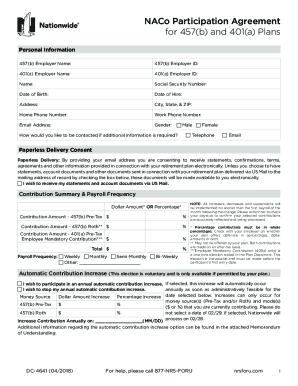
Understanding the v1btcom Form
The v1btcom form serves a unique purpose in document workflows, streamlining processes for individuals and organizations. Typically used to facilitate document management, the v1btcom form integrates seamlessly with digital platforms like DocHub, ensuring efficiency and accuracy. Whether it’s used for tax, legal, or corporate purposes, understanding its function is crucial for effective application.
Steps to Complete the v1btcom Form
Filling out the v1btcom form requires a step-by-step approach to ensure all necessary information is provided correctly:
- Gather Required Documents: Compile any supporting documents needed to complete the form accurately.
- Access the Form: Locate the v1btcom form through the designated platform or agency that issues it.
- Fill Out Personal Information: Enter all personal and identifying details as required on the form.
- Provide Specific Data: Include detailed information pertinent to the purpose of the form, such as financial or legal data.
- Review and Edit: Go through the completed form to check for any errors or missing information.
- Submit the Form: Choose the appropriate submission method, be it online, via mail, or in person.
Following these steps carefully will ensure the v1btcom form is completed efficiently.
Who Typically Uses the v1btcom
The v1btcom form is predominantly used by professionals involved in administration and management within various industries:
- Legal Professionals: For filing and managing affidavits or legal documents.
- Corporate Officers: For managing corporate compliance and reporting.
- Tax Professionals: For documenting financial transactions and advising clients.
- Educational Institutions: To streamline administrative documentation.
Each of these groups relies on the v1btcom form to standardize processes and enhance document management.


Legal Use of the v1btcom
Legal applications of the v1btcom form are vast, ensuring compliance with regulatory standards:
- Affidavit Filings: Used in preparing and submitting sworn statements.
- Regulatory Compliance: Ensures organizations adhere to industry-specific legal requirements.
- Contract Management: Facilitates the review, signing, and storage of legal agreements.
By integrating the v1btcom form into legal processes, organizations and individuals uphold legal standards efficiently.
State-Specific Rules for the v1btcom
Different states within the United States may have specific regulations affecting the use of the v1btcom form:
- California: May have unique data privacy requirements when using the form for electronic submissions.
- Texas: Could impose different standards for financial reporting through the form.
- New York: Regulations may affect how the form is processed and stored for compliance verification.
Understanding state-specific rules ensures the v1btcom form is utilized correctly across different jurisdictions.
Important Terms Related to v1btcom
Familiarizing oneself with terminology related to the v1btcom form enhances understanding and application:
- Authentication Protocols: Methods like OAuth 2.0 used for secure login and data protection.
- Document Workflow: The integrated process of creating, managing, and storing documents using the form.
- Digital Signature: An electronic form of a signature that is legally binding and used within the form.
These terms are foundational for understanding the technical and procedural aspects of the v1btcom form.
Digital vs. Paper Version of the v1btcom
Choosing between digital and paper versions of the v1btcom forms affects workflow and storage:
-
Digital Version:
- Pros: Faster processing, integration with digital platforms, and enhanced security through encryption.
- Cons: Requires access to technology and internet connectivity.
-
Paper Version:
- Pros: Tangible record-keeping, useful where digital access is limited.
- Cons: Slower processing and potential for physical loss or damage.
Selecting the appropriate version depends on the specific needs and capabilities of the user.
Software Compatibility and Integration
The v1btcom form is compatible with various software platforms, enhancing its utility:
- DocHub Integration: Offers streamlined editing, signing, and sending capabilities.
- Google Workspace Compatibility: Enables seamless import and export with Google Drive and Gmail.
- Other Platforms: Works with software like QuickBooks and TurboTax for financial and tax documentation.
Utilizing compatible software extends the functionality of the v1btcom form, making it versatile for numerous applications.