Definition & Purpose of the Delivery Letter for Car
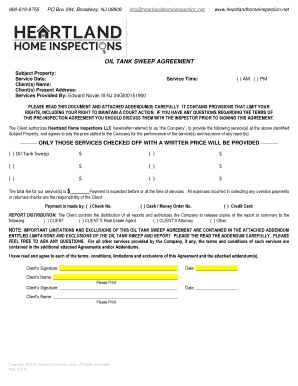
A delivery letter for a car is an essential document used in the automotive industry to officially record the transfer of ownership or custody of a vehicle from the seller to the buyer or from a transporter to the recipient. This letter serves as an acknowledgment that the car has been delivered as per the agreed terms and conditions. It contains critical details such as the date of delivery, the names of the parties involved, vehicle identification details, and signatures. The document acts as proof that the transaction has been completed satisfactorily and that the buyer has received the vehicle in the agreed condition.
Steps to Complete the Delivery Letter for Car
Completing a delivery letter for a car involves several critical steps to ensure all necessary information is accurately captured:
-
Gather Information: Collect essential details such as the vehicle identification number (VIN), make and model of the car, delivery date, and the contact information of both parties involved.
-
Fill Out Vehicle Details: Enter specific information about the vehicle, including VIN, registration details, and any other identifiers, to ensure there is no confusion about the car being delivered.
-
Provide Buyer and Seller Details: Clearly state the names, addresses, and contact numbers of both the buyer and seller. If a transporter is used, include their contact information.
-
Specify Delivery Terms: Outline any conditions related to the delivery, such as time, location, and any agreed-upon checks or inspections.
-
Signatures: Ensure that both the buyer and seller, or their authorized representatives, sign the document to validate the transaction.
-
Double-Check for Completeness: Review the document for accuracy and completeness to prevent any future disputes.
How to Obtain the Delivery Letter for Car
Obtaining a delivery letter for a car typically involves a straightforward process:
-
From Dealerships: Most car dealerships provide a delivery letter as part of the sales package. It is usually prepared by the dealer's administrative staff and signed at the time of vehicle handover.
-
Online Templates: Various online platforms offer delivery letter templates that can be downloaded and customized. These templates often include pre-set fields to make them easy to fill out.
-
Legal Advice: Consulting a legal advisor or an automotive consultant might be necessary if there are unique conditions involved in the transaction, to ensure the letter meets all legal requirements.
Key Elements of the Delivery Letter for Car
A comprehensive delivery letter for a car must incorporate several key elements to be effective:
-
Vehicle Details: Include detailed information on the car being delivered, such as VIN, make, model, and year of manufacture.
-
Parties Involved: Clearly identify the buyer and seller, including any third-party transporters, to ensure all equity is correctly allocated.
-
Condition of Vehicle: Document the condition of the vehicle at the time of delivery. This may include notes on the odometer reading, visible defects, or damage.
-
Acknowledgment of Receipt: A section where the buyer acknowledges receipt of the vehicle in the agreed condition should be present, often accompanied by their signature.
-
Date of Transfer: Clearly state when the transfer of ownership or custody occurs to establish a precise timeline for the transaction.
Legal Use of the Delivery Letter for Car
The legal use of a delivery letter for a car is multifaceted and primarily serves as proof of transfer and receipt:
-
Proof of Delivery: Legally, this document serves as tangible evidence that the car has been delivered and received as per contractual obligations.
-
Protection Against Claims: Should any disputes arise regarding the condition or timeliness of delivery, this letter provides significant support in resolving such issues legally.
-
Ownership Transfer: As part of the transfer of title process, this document is often used by governmental agencies to process ownership changes seamlessly.
Who Typically Uses the Delivery Letter for Car
The use of delivery letters is common among various stakeholders in the automotive chain:
-
Dealerships and Sellers: To document the sale and delivery of a vehicle, ensuring that transfer procedures are correctly followed.
-
Buyers or Recipients: To verify receipt of the vehicle, particularly when dealing with high-value transactions or third-party delivery services.
-
Transport Companies: When a vehicle needs transportation services from one location to another, the delivery letter confirms the receipt and state of the vehicle upon delivery completion.


Important Terms Related to the Delivery Letter for Car
Understanding specific terms related to the delivery letter for a car is beneficial:
-
VIN (Vehicle Identification Number): A unique code given to every motor vehicle when it's manufactured, used for tracking and identification.
-
Handover: The process where the seller's responsibility shifts fully to the buyer or receiver.
-
Condition Report: A detailed account of the vehicle's state, which may include notes on mileage, features, and any damage.
State-Specific Rules for the Delivery Letter for Car
Rules regarding vehicle delivery can vary from state to state in the U.S.:
-
Title Transfer Requirements: Some states require the delivery letter to accompany a formal title transfer document or bill of sale.
-
Notarization: In states with stringent documentation regulations, a delivery letter may need notarization to be valid.
-
Inspection Certification: Certain states may mandate an official inspection or emissions certification to accompany the vehicle delivery letter.
Understanding these differences ensures compliance with state-specific legal requirements and facilitates a smoother transaction process for all parties involved.