




Definition and Purpose of the c e1179 Form
The c e1179 form serves a critical role in document workflow management by facilitating the repayment or remission of customs charges, including import duty, VAT, and excise duty, on imports that are either defective, damaged, or not in accordance with contractual agreements. This form outlines the procedures necessary for businesses and individuals to reclaim these charges. It is imperative for importers dealing with rejected goods to understand this form to streamline financial reconciliations with customs authorities.
How to Obtain the c e1179 Form
Securing a c e1179 form is straightforward, especially for businesses based in the U.S. requiring official documentation for rejected imports. Importers can access it from HM Revenue and Customs (HMRC) directly or through their customs broker. It can often be downloaded from relevant governmental websites or requested in person at customs offices. This accessibility ensures that the form is available when required for swift processing and compliance with refund or remission protocols.
Key Steps to Complete the c e1179 Form
Completing the c e1179 form requires attention to detail and a step-by-step approach:
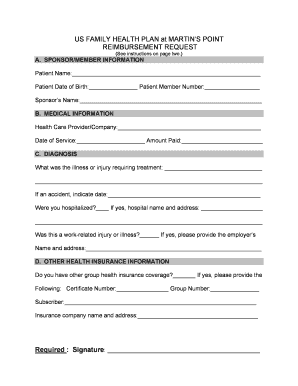
- Provide Applicant Details: Begin by accurately entering your business or personal information, including names, addresses, and contact numbers.
- State Reasons for Rejection: Clearly outline why the goods are rejected, specifying whether it's due to defects, damages, or failure to meet contractual specifications.
- List Supporting Documents: Attach necessary documentation such as contracts, invoices, or quality control reports to substantiate your claims.
- Complete Submission: Ensure all information is correct before submitting the form at least 48 hours before disposing of the goods.
Accurate completion of these steps ensures compliance and expedites the refund or remission processing.
Importance of the c e1179 Form
The c e1179 form is essential for importers looking to reclaim import-related expenses on goods that are substandard or not as per the contractual agreement. By facilitating the recovery of customs duties and related taxes, it serves as a valuable financial management tool. This form can significantly impact a company's bottom line by enabling cost recoveries that would otherwise be lost in handling defective imports.
Typical Users of the c e1179 Form
Typically, the c e1179 form is employed by importers, manufacturers, and distributors who encounter goods that are not up to specified standards. These users rely on the form to reclaim financial losses incurred from unsatisfactory imports. Large and small enterprises that engage in international trade find this form particularly useful for managing costs related to defective or damaged goods.
Legal Use and Compliance
Complying with legal standards is critical when using the c e1179 form. It is essential to be aware of the legal implications of submitting false information or incomplete documentation. The legal use involves honest disclosure of the circumstances surrounding the rejection of goods. Understanding the ESIGN Act and other compliance regulations ensures that electronic processes, such as digital submissions and signatures, are legally recognized and binding.
Required Documents for the c e1179 Form
Completing the c e1179 form requires submitting several key documents:
- Proof of Rejection: Documents detailing why goods are rejected.
- Purchase Orders and Contracts: Demonstrates the initial agreement and expectations.
- Quality Control Reports: Validates reasons for rejection based on the condition or quality of goods.
- Shipping and Import Receipts: Confirms the goods were imported legitimately and outlines the duties paid.
Having these documents ready aids in a seamless submission process, reducing the likelihood of delays.
Filing Deadlines and Important Dates
Federal requirements stipulate the timely filing of the c e1179 form to ensure eligibility for remission or refund. It must be submitted 48 hours before the disposal of rejected goods. Adhering to these timelines is crucial to avoid forfeiting the right to reclaim duties. Businesses must track these deadlines meticulously to ensure compliance and maximize financial recovery from customs authorities.
Electronic vs. Paper Submission Methods
The c e1179 form can be submitted either electronically or in paper format. Electronic submissions are often preferred due to their efficiency, ease of tracking, and reduced error rates. However, some importers may still prefer paper submissions for auditing purposes or if electronic submission options are limited in their jurisdiction. Each method has its own set of procedures, but both require thorough completion and documentation to ensure accuracy and compliance with customs regulations.