







Definition & Meaning
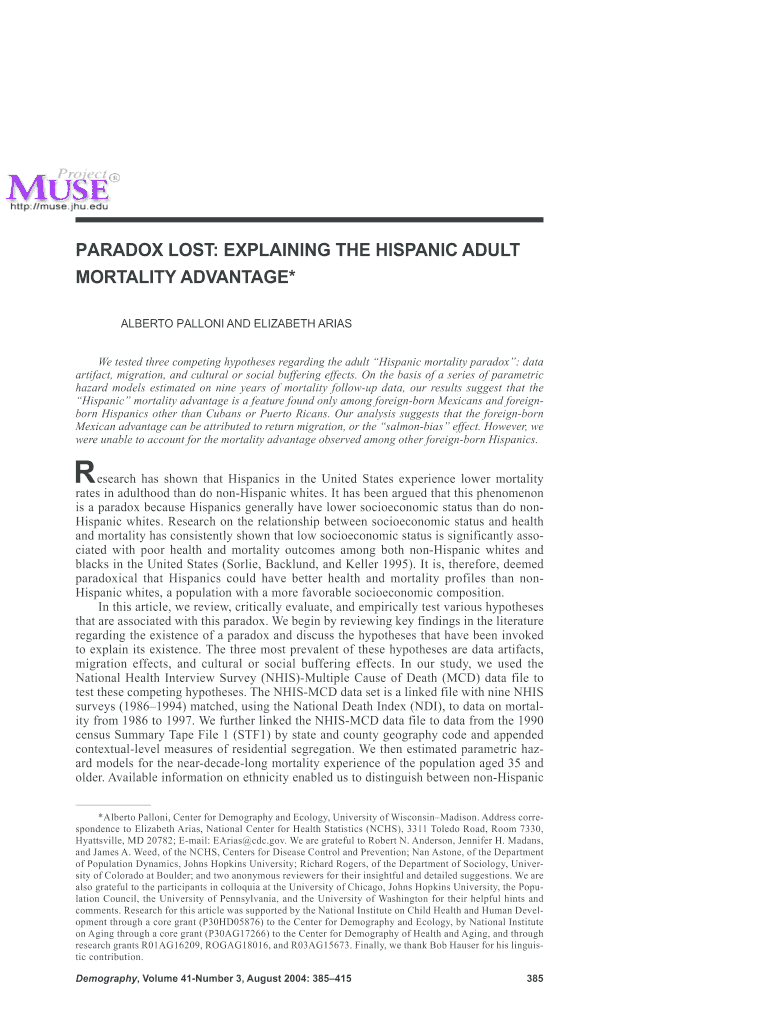
The "Palloniarias 2004 dem" - Integrative Biopsychosocial Research in - biopop pophealth wisc" refers to a specific set of integrative research methodologies applied to biopsychosocial studies. This research form focuses on understanding the intricate interactions between biological, psychological, and social factors affecting health and well-being. It aims to explore how these factors contribute to health outcomes within specific demographic groups, particularly within the biopop and pophealth communities at the University of Wisconsin (WISC).
Key Elements of the Research
- Biopsychosocial Model: Central to this research, the biopsychosocial model emphasizes the interconnection between mental, physical, and social health aspects.
- Demographic Analysis: The study includes a detailed examination of population-based data, analyzing key demographic indicators that influence health outcomes.
- Interdisciplinary Approach: This research integrates concepts from diverse fields such as psychology, sociology, and epidemiology to create a holistic understanding of health phenomena.
- Quantitative and Qualitative Methods: A combination of data collection techniques, including surveys and interviews, is used to gather comprehensive insights.
How to Use the Research
Utilizing the "Palloniarias 2004 dem" involves applying its methodologies to your own research or policy planning activities. Here’s how you can incorporate its principles:
- Literature Review: Start by conducting a thorough review of existing studies on biopsychosocial interactions to inform your approach.
- Data Collection: Implement mixed-methods research strategies, gathering both quantitative and qualitative data aligned with the research model.
- Analysis Tools: Use statistical software and thematic analysis techniques to identify patterns and themes within your data.
Steps to Complete the Research Framework
- Define Scope and Objectives: Clearly outline the aims of your research and the specific health outcomes you aim to explore.
- Select Population Samples: Choose representative demographic groups that align with the objectives of your study.
- Develop Survey Instruments: Create questionnaires and interview guides based on the biopsychosocial model.
- Fieldwork Execution: Conduct surveys and gather data through interviews, ensuring ethical standards are maintained.
- Data Analysis: Analyze the collected data using appropriate analytical software, focusing on the interactions between biological, psychological, and social factors.
- Interpret Results: Synthesize findings in the context of existing literature, providing deeper insights into health outcomes.
Who Typically Uses This Research
Researchers, public health officials, and policymakers are the primary users of the "Palloniarias 2004 dem." These groups apply its insights to design effective health interventions, formulate policies, and further academic exploration. It is also leveraged by healthcare providers aiming to offer holistic patient care informed by comprehensive biopsychosocial data.
Important Terms Related to This Research
- Biopsychosocial Interaction: The dynamic concomitance of biological, psychological, and social factors influencing health.
- Population Health (Pophealth): A field of study focusing on health outcomes of specific demographic groups.
- Integrative Research: An approach that combines methods and theories from different disciplines to address complex research questions fully.
Examples of Using the Research
Case studies exemplify how integrative biopsychosocial research has been applied in real-world settings:
- Community Health Assessments: Used to identify health disparities across communities within Wisconsin, leading to targeted public health interventions.
- Chronic Disease Management: Research results have informed programs that incorporate mental health services in the treatment of chronic illnesses like diabetes.
- Policy Formation: Findings have been instrumental in shaping health policies that aim to reduce socioeconomic barriers to healthcare access.
Software Compatibility and Digital Integration
For those managing large datasets and analysis, compatibility with software such as SPSS, SAS, and NVivo is crucial. These tools support the complex data analysis needs of integrative research, facilitating seamless data management and interpretation across digital platforms. Moreover, document management and editing platforms such as DocHub can be used to organize research documentation and facilitate collaboration among researchers.
Required Documents
Embarking on this research necessitates preparing several key documents:
- Research Proposal: Outlines the scope, objectives, and methods of your study.
- Ethics Approval: Approval from an Institutional Review Board (IRB) to ensure ethical standards.
- Data Collection Instruments: Surveys and interview guidelines tailored to study objectives.
- Consent Forms: Documents that ensure participant informed consent, crucial for ethical compliance.
This blend of in-depth analysis, practical application, and comprehensive understanding of the "Palloniarias 2004 dem" provides users with valuable insights into biopsychosocial research methodologies.




