




Definition & Meaning of the Standard Tenancy Agreement Template
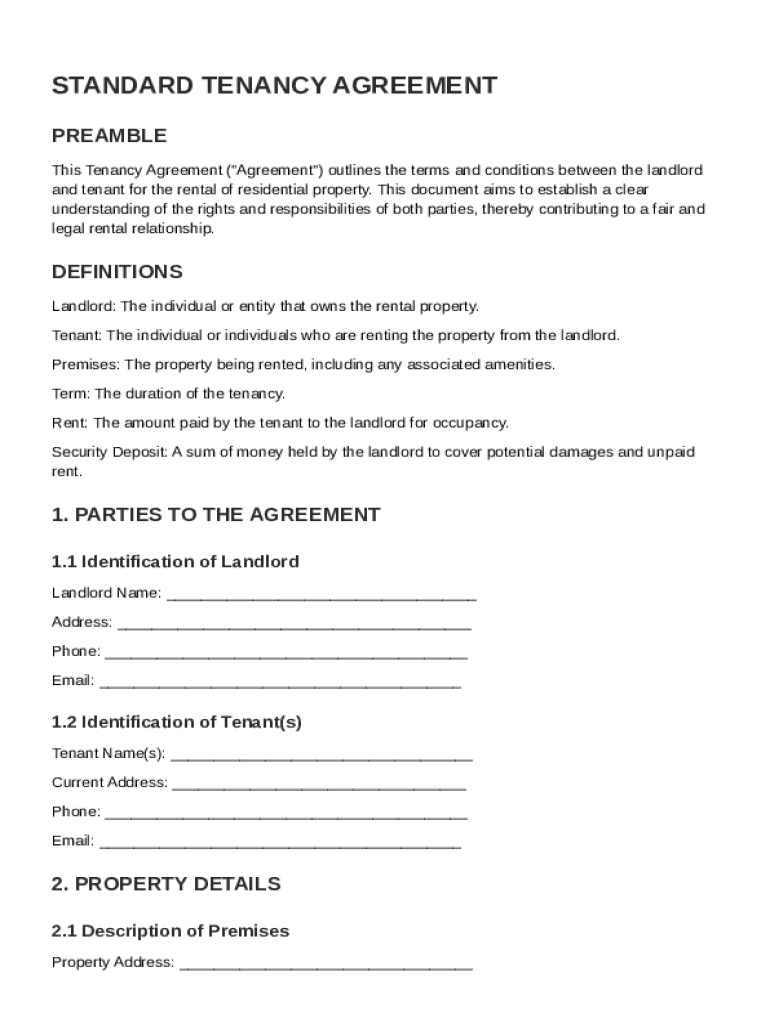
A Standard Tenancy Agreement Template serves as a foundational document to define the rental relationship between a landlord and a tenant. It sets out the fundamental terms and conditions under which a property is rented, highlighting both parties' rights and responsibilities. The document typically includes details such as the duration of the tenancy, rent amount and payment procedure, security deposit, and the obligations the tenant must adhere to during their stay. This agreement is crucial in creating legal clarity and preventing potential disputes by clearly delineating expectations from the outset.
Key Elements of the Standard Tenancy Agreement Template
The agreement is composed of several critical components that contribute to its comprehensiveness. These include:
- Parties Involved: Clearly identifies and establishes the legal identities of the landlord and tenant.
- Property Details: Describes the rental property, including the address and any included amenities or facilities.
- Rental Terms: Outlines the lease duration, renewal options, and procedures for termination.
- Rent and Security Deposits: Specifies the rent amount, due dates, acceptable payment methods, and conditions for the return of the security deposit.
How to Use the Standard Tenancy Agreement Template
Utilizing the Standard Tenancy Agreement Template requires careful attention to detail and understanding of its clauses. Follow these instructions for an effective setup:
- Review the Template: Familiarize yourself with each section to ensure it aligns with your rental needs and complies with local laws.
- Customized Information: Insert specific details about the property, rent, and parties involved into the designated fields.
- Discuss Terms: Both parties must understand and agree on the terms, such as allowable rent increases and maintenance responsibilities.
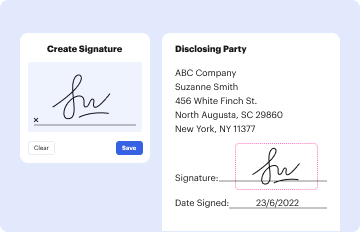
- Finalize the Document: After review, both landlord and tenant should sign the agreement, ideally in the presence of a witness, to solidify its enforceability.
Steps to Complete the Standard Tenancy Agreement Template
Completing this document involves several key steps to ensure accuracy and compliance:
- Gather Information: Collect all necessary information, such as personal details of both parties and property specifics.
- Fill in the Template: Carefully input gathered data, ensuring accuracy and clarity.
- Highlight Essential Clauses: Ensure crucial areas such as rent payment terms and tenant obligations are clear to avoid future misunderstandings.
- Review and Edit: Thoroughly review the completed template for any omissions or errors. Legal advice may be beneficial for complex situations.
- Sign the Agreement: Once both parties have reviewed and agreed to the terms, each should sign the document, and copies should be distributed to involved parties.
Legal Use of the Standard Tenancy Agreement Template
When employing a Standard Tenancy Agreement Template, ensure compliance with relevant legal standards. The document must:
- Adhere to Jurisdiction-Specific Laws: Understand state-specific landlord-tenant laws to ensure legality.
- Include Legal Disclaimers: Ensure that necessary legal disclaimers and disclosures are included to validate the document.
- Hold Legal Weight: Being a contract, it becomes legally binding once signed, meaning all parties must comply with its terms.
State-Specific Rules for the Standard Tenancy Agreement Template
Regulations regarding tenancy agreements can vary significantly between states. It is crucial to:
- Research Local Laws: Be aware of state-specific landlord-tenant laws that may affect lease terms or impose additional requirements.
- Incorporate Mandated Clauses: Certain states require specific clauses, such as those addressing mold or lead-based paint disclosures.
- Adapt for Ordinances: Adjust the template to comply with local housing laws, which may dictate aspects such as eviction procedures or rent control.
Who Typically Uses the Standard Tenancy Agreement Template
This document is widely utilized by:
- Landlords: Both seasoned property owners and new landlords needing protection and structure in rental agreements.
- Tenants: Renters who seek transparency and assurance regarding their living conditions.
- Property Managers: Professionals who manage rental properties on behalf of landlords to streamline lease agreements and ensure regulatory compliance.


Business Types That Benefit Most
- Real Estate Firms: Agencies facilitating residential leases often rely on these agreements for standardized procedures.
- Property Management Companies: Use these templates to manage client properties more effectively and quality control rental legalities.
Versions or Alternatives to the Standard Tenancy Agreement Template
While the standard version covers most residential lease scenarios, alternative versions may exist for specific needs:
- Short-Term Lease Agreements: For leases less than a year, with simpler terms to accommodate temporary arrangements.
- Room Rental Agreements: For scenarios where individual rooms are leased within shared housing, addressing unique cohabitation conditions.
Digital vs. Paper Version of the Standard Tenancy Agreement Template
With digital solutions like DocHub, users enjoy benefits that paper versions lack:
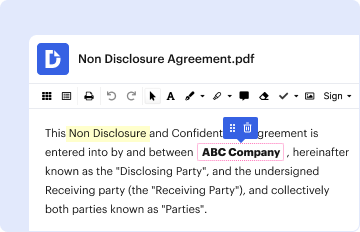
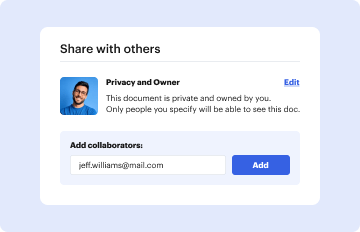
- Electronic Integration: Enables easy sharing, editing, and signing of agreements online, significantly reducing paper usage.
- Secure Storage: Digital agreements can be securely stored with encryption, offering durability and enhanced privacy.
- Accessibility: With mobile compatibility, agreements can be accessed and edited anywhere, allowing for real-time updates and collaboration.
Software Compatibility
Platforms like DocHub facilitate editing and signing processes, integrating with software such as Google Workspace for seamless document management and sharing. This compatibility allows users to edit and store agreements alongside other important tenancy documents.