







Definition and Meaning
The term "Gun Control: FY2017 Appropriations for the Bureau of Alcohol" refers to the federal budget allocations directed to the Bureau of Alcohol, Tobacco, Firearms and Explosives (ATF) for the fiscal year 2017. This budgetary provision is crucial in understanding how funds are distributed for activities related to gun control, enforcement, and regulation. The primary aim is to support the ATF's efforts in overseeing firearms legislation and policy implementation, ensuring compliance with both state and federal laws.
Key Elements of the FY2017 Appropriations
- Budget Allocations: The appropriations detail the financial resources dedicated to various operational segments within the ATF, focusing significantly on gun control measures.
- Enforcement Initiatives: The funding supports programs that enhance the enforcement of existing gun laws, including investigations and compliance checks.
- Resource Allocation: Resources are directed toward personnel training, equipment, and technology to improve efficiencies in regulating firearms sales and distribution.
- Public Safety Programs: Part of the budget is allocated to initiatives that aim to educate the public about gun safety and legal compliance.
Legal Use of the Appropriations
The legal framework surrounding the FY2017 appropriations ensures that funds are used exclusively for sanctioned purposes. These include:
- Regulatory Compliance: Monitoring gun dealers and manufacturers to ensure adherence to legal standards.
- Interagency Collaboration: Working with federal, state, and local law enforcement agencies to coordinate efforts in preventing gun trafficking and related crimes.
- Legislative Support: Assisting in the development of new regulations or amendments to existing policies that reinforce gun control laws.
Who Typically Uses the Appropriations
The primary users of the appropriated funds are:
- Federal Agencies: Especially the ATF, which is responsible for enforcing federal laws related to firearms, alcohol, and tobacco.
- State and Local Law Enforcement: Entities that partner with the ATF to conduct investigations and enforce compliance.
- Community Organizations: Groups engaged in public education and advocacy for responsible gun ownership and safety practices.


How to Use the Appropriations
Entities involved in gun control use the FY2017 appropriations by:
- Assessing Needs: Identifying areas requiring financial support, such as personnel, technology, or public awareness programs.
- Planning and Development: Crafting strategic plans to tackle specific issues, like illegal firearm sales or unregistered dealers.
- Implementing Programs: Executing initiatives backed by the budget, focusing on compliance, education, and enforcement.
- Monitoring and Reporting: Tracking the effectiveness of funded programs and adjusting strategies as needed to improve outcomes.
Important Terms Related to Gun Control Appropriations
- Allocation: The specific distribution of funds to various departments or programs within the ATF.
- Compliance Check: An on-site review conducted by the ATF to ensure that firearm dealers adhere to legal requirements.
- Enforcement: The act of ensuring observance of laws and regulations, pivotal in maintaining control over firearm distribution.
State-Specific Rules
While the FY2017 appropriations outline federal guidelines, individual states can implement additional rules such as:
- Licensing Requirements: Varied state mandates for obtaining and maintaining licenses for firearm sales.
- Background Checks: Specific protocols beyond federal standards, adapted according to state legislation.
- Storage and Transportation Laws: Regulations for how firearms should be stored or transported within state borders, influencing allocation of funds for educational initiatives.
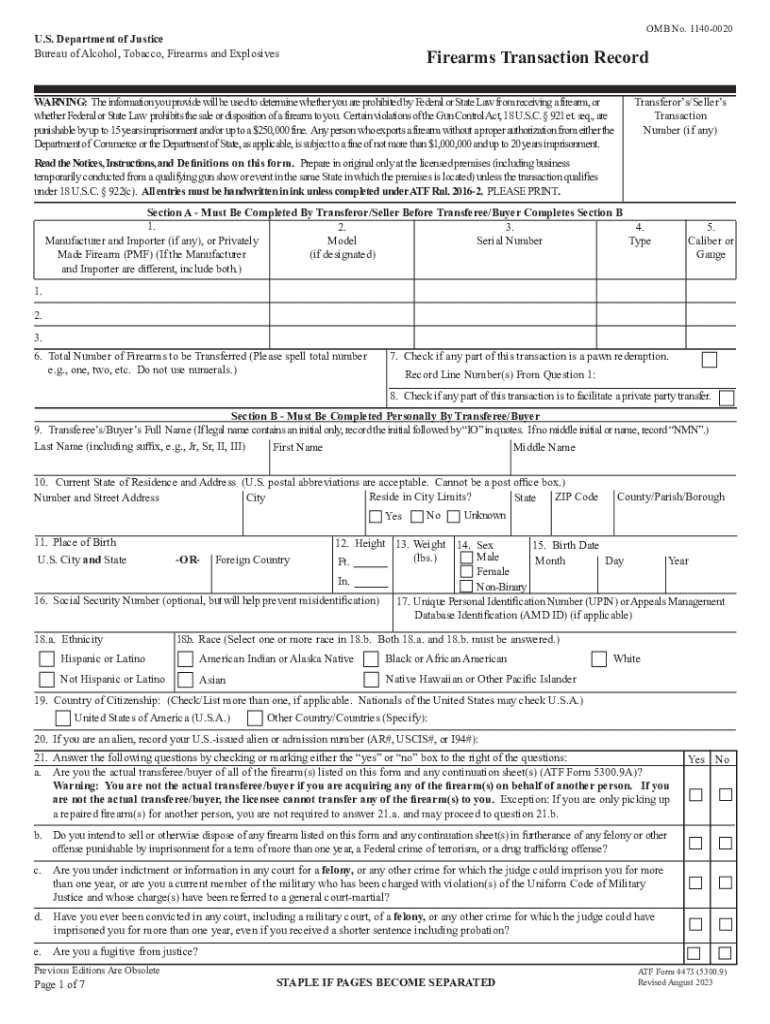
Step-by-Step Guide to Completing Relevant Forms
To utilize the FY2017 appropriations effectively, specific forms and documentation are required:
- Identify Requirements: Determine which forms and documents are necessary for compliance or fund application.
- Gather Necessary Information: Collect details about the project or initiative needing funding.
- Complete the Forms: Fill out all required fields, focusing on accuracy to avoid processing delays.
- Submission: Submit the forms to the appropriate office, either online or by mail, following the submission guidelines specified.
Examples of Using the Appropriations
Real-world applications of the appropriations include:
- Training Programs: Funding used to create comprehensive training for agents in identifying illegal firearm operations.
- Technology Upgrades: Investments in modern technology to improve data collection and analysis, facilitating quicker decision-making.
- Public Awareness Campaigns: Initiatives funded to educate communities about safe gun practices and legal responsibilities.




