Definition & Meaning
Paperwork for kids generally refers to various forms and documents that are required for children's activities, registration, or official procedures. This could include school enrollment forms, medical consent forms, and registration packets for extracurricular activities. Such documents typically capture essential details like personal information, emergency contacts, and parental permissions. Understanding and correctly filling out these forms ensure that children can participate in activities safely and with proper authorization.
Key Elements of the Paperwork for Kids
The essential elements of paperwork for kids typically include:
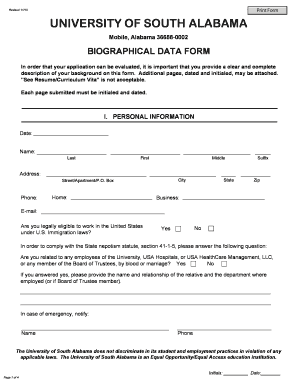
- Child's Personal Information: Full name, date of birth, and address.
- Parent or Guardian Details: Contact information and relationship to the child.
- Emergency Contacts: Additional names and numbers for emergency situations.
- Health Information: Allergies, medications, and physician details.
- Consent Sections: Authorization for participation or medical treatment if needed.
Each section must be completed accurately to ensure the safety and well-being of the child.
Steps to Complete the Paperwork for Kids
To effectively complete paperwork for kids, follow these steps:
- Gather Necessary Information: Ensure you have all personal, medical, and contact details ready.
- Read Instructions Carefully: Review each section’s requirements before entering information.
- Fill Out Personal Details: Input the child's and guardian’s information accurately.
- Specify Emergency Contacts: List reliable individuals that can be reached in an emergency.
- Provide Health Information: Complete any sections regarding allergies or medications.
- Sign and Date the Form: Verify that all sections are signed where required.
- Review for Completeness: Double-check that all areas are filled out and accurate before submission.
Adhering to these steps can help prevent the need for resubmission due to incomplete information.
Legal Use of the Paperwork for Kids
Ensuring the proper use of paperwork for kids includes understanding legal implications and privacy concerns. Forms often demand personal and sensitive information that must be kept confidential. Legal guardians have the authority to complete and submit these forms, ensuring they comply with the requirements of the respective organization. Inaccurate or misleading information can result in legal issues or disqualification from an activity.
Who Typically Uses the Paperwork for Kids
The paperwork is generally used by:
- Parents and Guardians: To enroll children in schools, camps, or medical programs.
- Educational Institutions: For student records and academic planning.
- Healthcare Providers: To secure necessary medical information for treatment and emergencies.
- Extra-Curricular Instructors: To ensure safe participation in activities like sports or clubs.
These forms ensure that pertinent information is shared with responsible parties in any situation involving children.


Examples of Using the Paperwork for Kids
Practical applications of paperwork for kids include:
- School Registration: Enrolling a child in a new school or grade.
- Sports Programs: Signing up for seasonal sports leagues or teams.
- Camps and Workshops: Registering for overnight or day camps.
Each instance involves a specific set of paperwork requiring detailed and accurate completion.
Important Terms Related to Paperwork for Kids
Understanding common terminology helps in accurately completing and managing these forms:
- Liability Waiver: Legal agreement where guardians agree to terms set by an organization to avoid direct liability.
- Consent Form: Document granting permission for specific actions or participation.
- Medical Release: Allows medical treatment to be provided to the child in emergencies.
- Confidentiality Agreement: Ensures sensitive information is kept private and secure.
Learning these terms supports smoother interactions when handling formal documentation for children.
State-Specific Rules for the Paperwork for Kids
Though standard elements exist, states in the U.S. may have unique requirements concerning kids' paperwork. For example:
- Vaccination Records: Some states may have specific immunization documentation requirements.
- Educational Assessments: Varying rules on evaluations for special needs.
- Parental Consent: Specific regulations on consent age and documentation requirements.
Understanding and adhering to these state-specific rules ensures compliance and prevents issues with enrollment or participation.