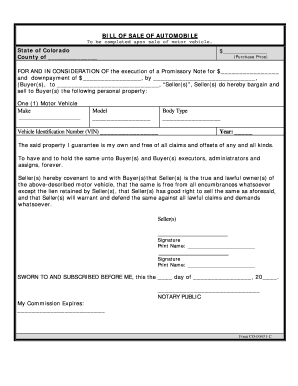
01. Edit your form online
Type text, add images, blackout confidential details, add comments, highlights and more.

Type text, add images, blackout confidential details, add comments, highlights and more.

Draw your signature, type it, upload its image, or use your mobile device as a signature pad.

Send it via email, link, or fax. You can also download it, export it or print it out.
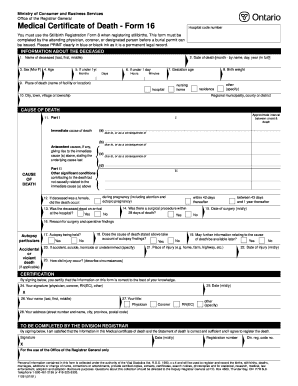
At its core, the form "Use your 'Mouse' or the 'Tab' key to move through the fields, use your 'Mouse' or 'Space Bar' to" refers to a set of instructions commonly applicable to digital forms. This directive ensures that users can effectively navigate and interact with form fields using either their mouse or keyboard shortcuts. Understanding these instructions is crucial, particularly in digital environments, where ease of use and accessibility are paramount.
These instructions are usually embedded in digital forms to provide users with alternative methods to navigate through the fields. This flexibility allows individuals with varying technical proficiencies to complete forms efficiently. Whether through tab navigation for power users or mouse clicks for those who prefer a more visual approach, such instructions cater to diverse user needs.
Using the 'Tab' key allows users to proceed to the next form field seamlessly without needing to shift their focus from the keyboard. Conversely, employing the mouse lets users click directly into a specific field of interest. Understanding these methods helps streamline the filling process, minimizing input errors and saving time.
To fully complete the form following the instructions "Use your 'Mouse' or the 'Tab' key to move through the fields, use your 'Mouse' or 'Space Bar' to," adhere to these steps:
DocHub's platform ensures compatibility across various software titles, including popular office suites and web browsers. This compatibility enhances usability, allowing users to complete forms using preferred devices and settings without technical hindrances.
Various business types can benefit from the efficiency of using such forms, especially those reliant on frequent document management:
Typically, forms with such navigation instructions are issued by organizations that prioritize user experience and accessibility in their digital processes, like government agencies, educational institutions, or businesses in the digital solutions sector. These forms are integral to ensuring users interact successfully with the digital environments prepared for them.
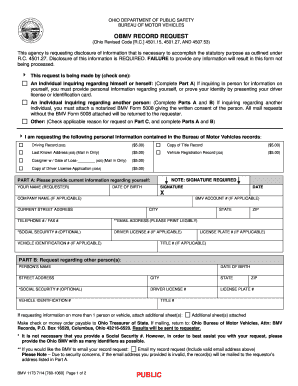
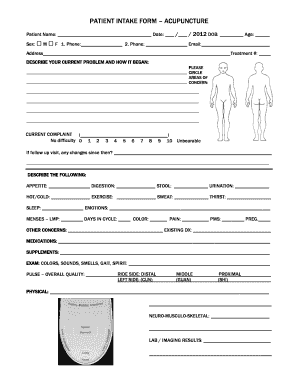
We've got more versions of the Use your 'Mouse ' or the 'Tab ' key to move through the fields, use your 'Mouse ' or 'Space Bar ' to form. Select the right Use your 'Mouse ' or the 'Tab ' key to move through the fields, use your 'Mouse ' or 'Space Bar ' to version from the list and start editing it straight away!
At DocHub, your data security is our priority. We follow HIPAA, SOC2, GDPR, and other standards, so you can work on your documents with confidence.