
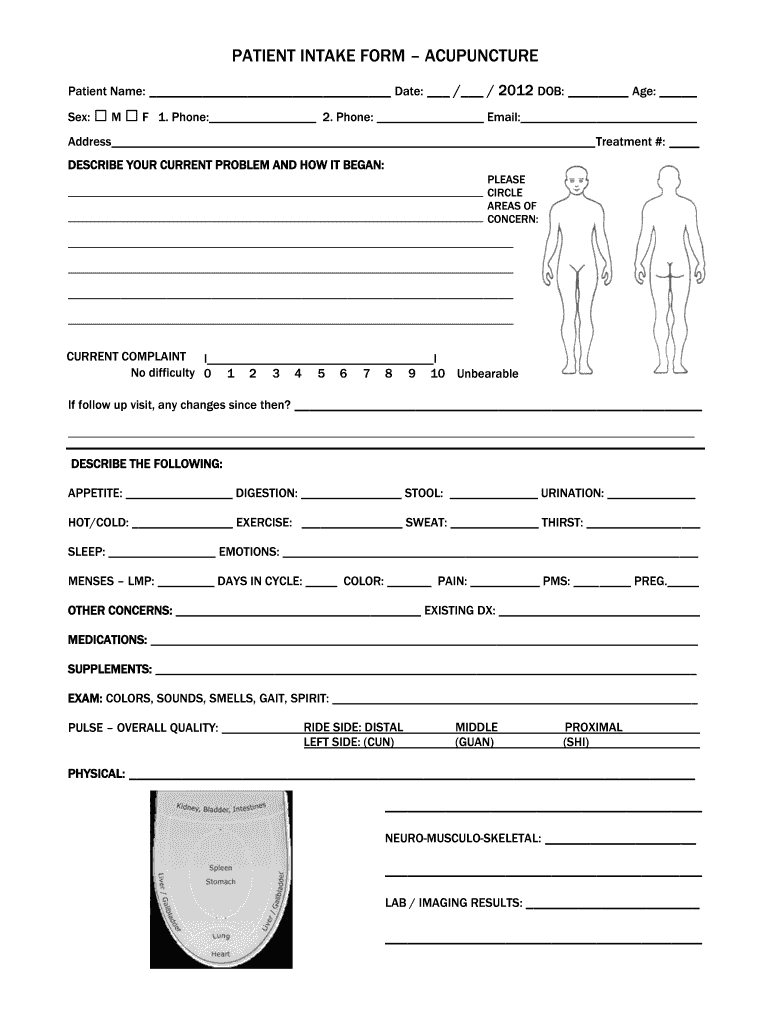







Overview of Acupuncture Intake Form Template
The acupuncture intake form template is critical for practitioners in gathering essential information from new clients. This forms the foundation for a customized treatment plan, ensuring that all health considerations are taken into account. Understanding each section of this template allows practitioners to provide thorough and safe acupuncture care, while fostering strong client-practitioner relationships.
Essential Client Information
Gathering accurate client information forms the basis for all subsequent evaluation and treatment. This section typically includes:
- Personal Details: Name, address, phone number, and email, which aid in communication and record-keeping.
- Emergency Contact: Essential for safety during treatment; having another person on file provides peace of mind.
- Insurance Information: Details about any health insurance coverage can streamline billing and claims processes.
Each of these elements encourages transparent communication, allowing practitioners to maintain accurate records and contact clients efficiently.
Health History and Current Concerns
This section aims to delve deeply into the client’s health history, ensuring that practitioners have a comprehensive understanding of existing conditions. Key elements include:
- Past Medical History: Inquiry into previous diagnoses, surgeries, and hospitalizations aids in assessing the client’s overall health.
- Current Medications: Listing prescribed and over-the-counter medications helps anticipate potential interactions and inform treatment approaches.
- Current Health Concerns: Clients are prompted to describe any symptoms or issues they seek assistance with, which informs the practitioner’s approach to treatment.
Understanding clients' health backgrounds fosters personalized care, ensuring that every treatment aligns with their specific needs.
Treatment Goals and Expectations
Establishing clarity about treatment goals enhances the therapeutic relationship. Sections to include are:
- Client Goals: Clients articulate what they hope to achieve through acupuncture, which can guide treatment focus and adjustments.
- Expectation Setting: Discussing potential outcomes and the nature of treatments helps align practitioner and client expectations, enhancing satisfaction and commitment.
This bi-directional discourse enables a greater therapeutic alliance and ensures continued engagement throughout the treatment process.
Signatures and Consent Sections
The informed consent section is vital in therapeutic settings. This part typically outlines:
- Risks and Benefits: Explicitly detailing the risks associated with acupuncture and the benefits helps clients make informed decisions.
- Arbitration Agreement: Clients sign to agree to arbitration for dispute resolution concerning treatment, protecting both parties legally.
Having clear consent documentation ensures that clients are aware of and accept the nature of the treatment, promoting ethical practice.
Follow-Up and Aftercare Instructions
Follow-up items contribute significantly to the client's overall experience and success of treatment. Include sections for:
- Next Appointment Scheduling: Documenting potential follow-up dates helps in maintaining continuity of care and encourages regular visits.
- Aftercare Guidelines: Specific advice on post-treatment self-care can improve treatment efficacy and client satisfaction, leading to better health outcomes.
Providing structured follow-up instructions supports ongoing care and reinforces the client’s commitment to their health journey.
Additional Considerations
Acupuncture practices vary widely, and the intake form may need additional sections based on specific modalities. Consider including:
- Special Treatments: Sections for alternative therapies or additional modalities the client may be interested in, such as cupping or herbal remedies, to broaden treatment options.
- Cultural Sensitivity Queries: Offering space for clients to discuss cultural beliefs or practices regarding health can enhance respect and understanding in the therapeutic relationship.
These extra considerations not only personalize the intake form further but also cater to the diverse needs of clients, ensuring dignity and respect in the healing process.
Accessibility and Usability Features
An effective acupuncture intake form template should be user-friendly and accessible. Features to prioritize include:
- Digital Format Availability: A PDF format ensures easy access and is user-friendly across devices, accommodating various client preferences.
- Fillable Fields: Interactive elements in a digital form enable clients to enter information seamlessly, reducing barriers to completion.
This focus on accessibility enhances client experiences and data collection efficiency, ultimately leading to effective treatment initiation.




