




01. Edit your county hold harmless online
Type text, add images, blackout confidential details, add comments, highlights and more.

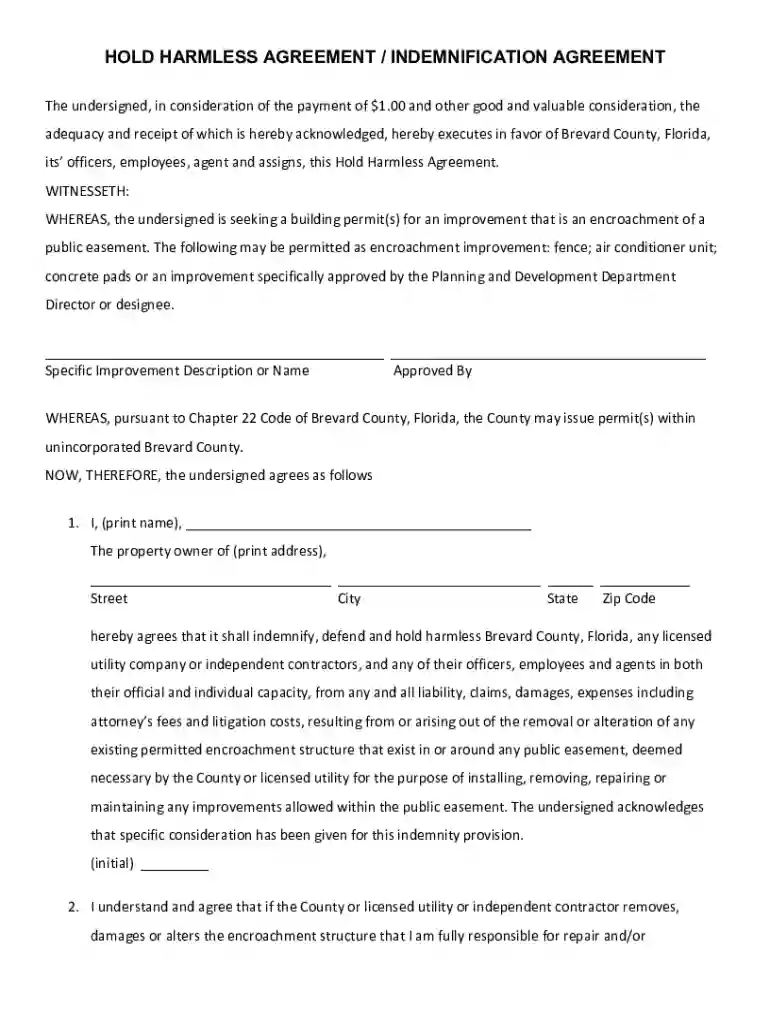
Type text, add images, blackout confidential details, add comments, highlights and more.

Draw your signature, type it, upload its image, or use your mobile device as a signature pad.

Send it via email, link, or fax. You can also download it, export it or print it out.
When discussing the concept of "form online," it refers to a digital document that users can fill out, submit, and manage via the internet. This electronic process eliminates the need for physical paper forms, resulting in a more streamlined workflow. Forms online can range from simple contact information collecting documents to complex legal agreements. The key advantage is the ability to access, fill out, and submit these forms from any internet-connected device, offering flexibility and convenience.
Using an online form typically involves several straightforward steps that guide users from accessing the form to final submission. This process is designed to ensure proper completion and submission, minimizing errors and delays.
Completing a form online requires following a specific sequence of actions to ensure all necessary details are captured correctly.
Forms online present several advantages over traditional paper-based procedures, making them a preferred choice for many individuals and organizations.
A company that transitioned to online forms saw a 30% reduction in processing errors and a 50% decrease in document handling time, enhancing overall operational efficiency.
Understanding the components of an online form helps create better documents and ensures users fill them out correctly.
Electronic forms are often used in legal contexts and need to comply with specific regulations to be considered valid and enforceable.
Understanding the terminology related to forms online ensures smooth processing and reduces misunderstandings.
Forms online need to be compatible with various software to maintain accessibility and functionality for all users.
Understanding and effectively engaging with forms online can significantly streamline processes, improve accuracy, and enhance the user experience. By leveraging platforms like DocHub, users can ensure their digital document handling is both efficient and secure.
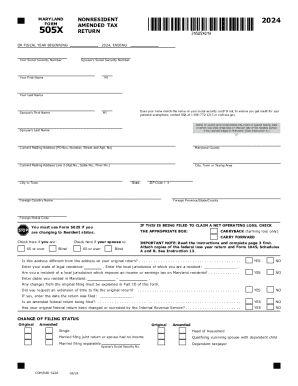
We've got more versions of the county hold harmless form. Select the right county hold harmless version from the list and start editing it straight away!
At DocHub, your data security is our priority. We follow HIPAA, SOC2, GDPR, and other standards, so you can work on your documents with confidence.
Purpose of a hold harmless agreement: To save another party from all legal consequences or from the outlay of any money for defense costs, damages, etc.Read more
Hold harmless refers to a contractual provision in which one party agrees not to hold another party liable for certain losses, damages, or claims


