
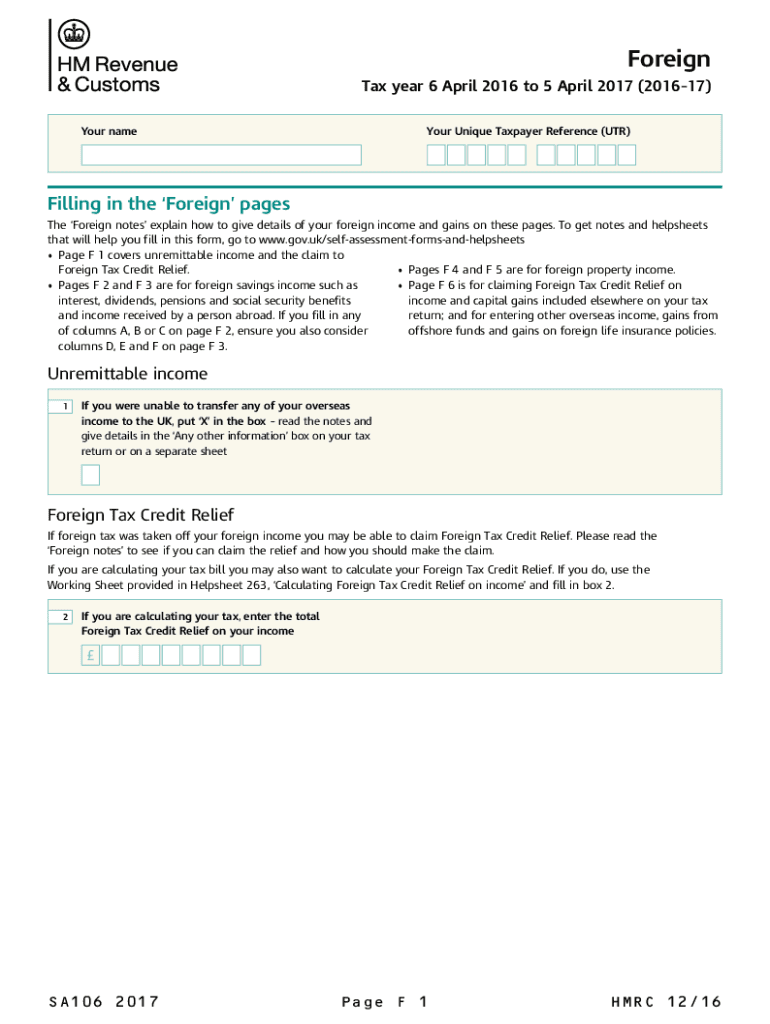







Definition and Meaning of "Form Online"
Online forms are digital versions of traditional paper forms, designed to streamline data collection and processing. They can be created and accessed through various platforms, such as DocHub, facilitating a paperless workflow. An online form typically includes interactive fields—such as text boxes, checkboxes, dropdowns, and signature fields—that users can fill out directly on their computers or mobile devices.
The primary aim of using forms online is to provide a seamless and efficient method of data entry, which not only saves time but also minimizes errors associated with manual data collection. Organizations leverage online forms for a wide array of purposes, including applications, surveys, feedback gathering, orders, and registrations, among others. They enable the automatic capturing and storing of data, which enhances accuracy and accessibility, making them an invaluable tool in both personal and professional contexts.
Key Elements of Online Forms
Understanding the components of online forms can significantly enhance their effectiveness. A well-structured form online typically includes:
- Title or Header: Clearly indicates the purpose of the form.
- Instructional Text: Guides users on how to complete the form.
- Input Fields: Areas where users can input their data. These might include text boxes, radio buttons, checkboxes, and dropdown menus.
- Validation Rules: Conditions set to ensure that the data entered meets specific criteria—such as a valid email format.
- Security Features: Mechanisms like SSL encryption to ensure data is securely transmitted.
- Submission Button: Allows users to send their completed forms electronically.
- Confirmation Message: Provides feedback to users that their form has been successfully submitted.
These elements work together to ensure that online forms are user-friendly and efficient in capturing necessary information accurately.
Steps to Complete the Form Online
Filling out a form online involves a straightforward process designed for user convenience. Here's a typical step-by-step guide:
- Access the Form: Visit the platform where the form is hosted. This could be through a direct URL link, email, or integrated interface such as DocHub.
- Review Instructions: Read any accompanying guidance carefully to understand what information is required.
- Fill in Details: Enter your personal or required information in the designated input fields. Ensure all mandatory fields are completed to avoid submission issues.
- Verify Entries: Double-check your inputs for accuracy and completeness, ensuring all sections are properly filled out.
- Add Attachments: If required, upload any supporting documents or attachments directly onto the form.
- Submit the Form: Click the "Submit" button to send your information. Make sure to wait for any confirmation message indicating successful submission.
- Save Confirmation: Capture a screenshot or print any automatic confirmation received post-submission for your records.
This streamlined approach ensures that users can complete forms efficiently while minimizing errors and submission delays.
Importance of Using Forms Online
Utilizing forms online provides several advantages, ranging from operational efficiency to environmental benefits. Here are a few reasons to consider:
- Time Efficiency: Immediate data entry and processing eliminate the wait times associated with handling physical documents.
- Cost Savings: Reduces costs related to printing, paper, and physical storage.
- Accessibility: Forms can be accessed from anywhere with an internet connection, enhancing convenience for users.
- Accuracy: Minimizes human error through validation rules and automated data capture.
- Environmentally Friendly: Supports sustainability efforts by reducing paper waste.
- Enhanced Security: Incorporates secure data handling practices to protect user information.
These benefits highlight the value that online forms bring to both individuals and organizations, facilitating smoother operations and interactions.
Who Typically Uses Online Forms
Online forms are versatile tools used by a diverse range of individuals and organizations, including:
- Business Professionals: For human resources, client intake, and customer satisfaction surveys.
- Educators and Students: For course evaluations, quizzes, and registration purposes.
- Government Agencies: For public services, applications for benefits, and feedback collection.
- Healthcare Services: To gather patient information, consent forms, and medical history.
- Nonprofits: For volunteer applications, donations, and event registrations.
Each group leverages the flexibility and efficiency of online forms to suit their unique needs, making them an integral part of modern digital communication.
Legal Use and Compliance of Online Forms
When using forms online, legal compliance is paramount to ensure both parties are protected. Key considerations include:
- Adherence to Digital Signature Laws: Electronic signatures must comply with regulations like the ESIGN Act to be legally binding.
- Data Protection Laws: Compliance with laws such as GDPR or HIPAA ensures data privacy and security.
- Intellectual Property: Forms may need to respect intellectual property laws concerning the information they collect or ask users to submit.
Guaranteeing compliance not only upholds the integrity of the form but also builds trust among users, demonstrating a commitment to legal and ethical standards.
State-Specific Rules for Online Forms
Rules surrounding online forms can vary by state, impacting how they are constructed and used. Some potential variations include:
- Disclosure Requirements: Specific information disclosures might be mandated by state laws.
- Languages and Accessibility: Forms may need to be available in different languages or formats for accessibility.
- Filing and Submission Protocols: Submission deadlines and processes can differ based on regional regulations.
Organizations must ensure they are aware of and comply with all state-specific laws to avoid legal complications and ensure smooth operations across different jurisdictions.
Examples of Using Online Forms
Here are a few practical scenarios where online forms significantly enhance efficiency and user experience:
- Contact Forms on Websites: Allow potential customers to reach businesses instantly, often leading to improved response times and customer satisfaction.
- Event Registration Forms: Streamline the process of signing up for events or conferences, simplifying attendee tracking and payment collection.
- Job Application Forms: Speed up recruitment by enabling applicants to submit resumes and required information directly online.
- Customer Feedback Forms: Facilitate quick and easy collection of customer opinions and experiences to guide business improvements.
These examples illustrate the versatility and practicality of online forms across various sectors, highlighting their role in modern digital interaction.




