




01. Edit your form online
Type text, add images, blackout confidential details, add comments, highlights and more.

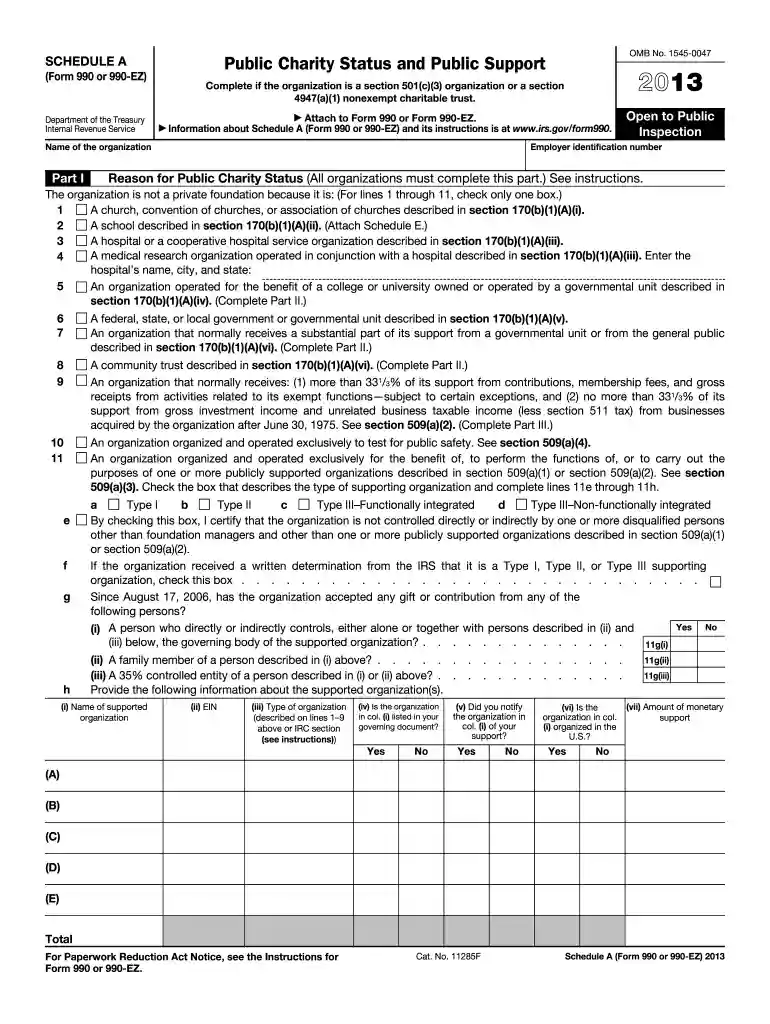
Type text, add images, blackout confidential details, add comments, highlights and more.

Draw your signature, type it, upload its image, or use your mobile device as a signature pad.

Send it via email, link, or fax. You can also download it, export it or print it out.
The 2013 Form 990-EZ serves as a fundamental reporting tool for certain smaller tax-exempt organizations, providing crucial financial information to the Internal Revenue Service (IRS). It is specifically designed for organizations that are more streamlined than their larger counterparts but still need to disclose their activities, providing a clearer view of their operations. This helps maintain transparency and accountability, which are essential for public trust in the nonprofit sector.
The form is tailored for tax-exempt entities with gross receipts less than $200,000 and total assets less than $500,000 at the end of their tax year. It acts as a simplified version of the more comprehensive Form 990, making it easier for smaller organizations to comply with federal reporting requirements without being overburdened by extensive paperwork.
Organizations needing the 2013 Form 990-EZ can access it through several convenient channels. The IRS website remains the most direct route, where the form and its accompanying instructions are available for download in PDF format. This ensures that organizations can readily access the most up-to-date and accurate version of the form.
Additionally, authorized platforms such as DocHub allow for importing the form directly from cloud storage services or a local computer. This flexibility is critical for organizations that operate in a digital environment, streamlining their document workflow by ensuring all necessary forms are easily accessible and editable.
Successfully completing the 2013 Form 990-EZ involves a detailed yet straightforward process. Here is a step-by-step guide to ensure accuracy and compliance:
Gather Necessary Information:
Fill Out General Information:
Report Income and Expenses:
Balance Sheet Information:
Others Schedule and Attachments:
Review and Submit:
Eligibility to file the 2013 Form 990-EZ hinges on specific financial thresholds. Organizations are eligible if:
These criteria distinguish which tax-exempt entities can utilize this streamlined form, enabling those that are smaller in size to report their finances without the complexity of larger forms. Organizations exceeding these limits must use the full Form 990, designed to accommodate more substantial financial activity.


The deadline for filing the 2013 Form 990-EZ is the 15th day of the fifth month after the organization's accounting period ends. For instance, entities operating on a calendar year must file by May 15 of the following year. It is essential that organizations adhere to this deadline to avoid penalties, unless an extension has been granted through Form 8868.
Timely filing is crucial to compliance, and failure to meet these deadlines can result in penalties, including fines and the potential loss of tax-exempt status. Therefore, meticulous attention to filing timelines ensures organizations remain in good standing with the IRS.
The 2013 Form 990-EZ encompasses several key sections, each crucial for comprehensive reporting:
Summary Page:
Income Statement:
Expense Statement:
Balance Sheet:
Each of these elements plays a vital role in painting a complete financial picture of the organization, ensuring transparency and accountability to both donors and the IRS.
Adherence to IRS guidelines when completing the 2013 Form 990-EZ is essential to avoid potential compliance issues. These guidelines dictate everything from how income and expenses should be reported to the manner in which supplementary sections and attachments should be completed.
Organizations must ensure they are referencing the most current instructions published by the IRS to comply fully with the intended use of the form. Following IRS guidelines helps organizations avoid audits and penalties while ensuring they remain transparent and accountable.
Failing to comply with the filing requirements of the 2013 Form 990-EZ can result in significant penalties. The IRS may impose fines for late or incomplete filings, with additional sanctions for organizations that repeatedly fail to meet submission standards.
Severe cases of non-compliance can lead to the revocation of tax-exempt status, a critical disadvantage for organizations relying on this status to garner public support and reduce their tax burden. Maintaining compliance through thorough and timely filing mitigates these risks, ensuring an organization’s continued operation and ability to fulfill its mission.
We've got more versions of the 2013 990 ez form form. Select the right 2013 990 ez form version from the list and start editing it straight away!
| Versions | Form popularity | Fillable & printable |
|---|---|---|
| 2025 | 4.5 Satisfied (34 Votes) | |
| 2024 | 4.1 Satisfied (50 Votes) | |
| 2023 | 4.3 Satisfied (26 Votes) | |
| 2022 | 4.3 Satisfied (28 Votes) | |
| 2021 | 4.9 Satisfied (57 Votes) | |
| 2020 | 4.2 Satisfied (32 Votes) | |
| 2019 | 3.9 Satisfied (28 Votes) | |
| 2018 | 4.3 Satisfied (116 Votes) | |
| 2017 | 4.3 Satisfied (60 Votes) | |
| 2016 | 4.4 Satisfied (536 Votes) | |
| 2015 | 4.3 Satisfied (36 Votes) | |
| 2014 | 4 Satisfied (21 Votes) | |
| 2013 | 4.2 Satisfied (57 Votes) | |
| 2012 | 4 Satisfied (20 Votes) | |
| 2011 | 4.1 Satisfied (54 Votes) |
At DocHub, your data security is our priority. We follow HIPAA, SOC2, GDPR, and other standards, so you can work on your documents with confidence.
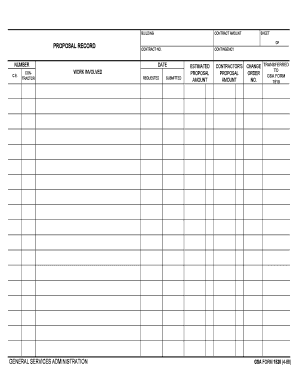



For an organization filing Form 990, 990-EZ, or 990-PF that received, during the year, $5,000 or more (in money or property) from any one contributor. CompleteRead more
Form 990 or 990-EZ. Cat. No. 11285F. Schedule A (Form 990 or 990-EZ) 2013. Page 6. Schedule A (Form 990 or 990-EZ) 2013. Part II. Page 2. Support Schedule forRead more
May 15, 2014 For a section 501(c)(7), (8), or (10) organization filing Form 990 or 990-EZ that received from any one contributor, during the year, totalRead more


