



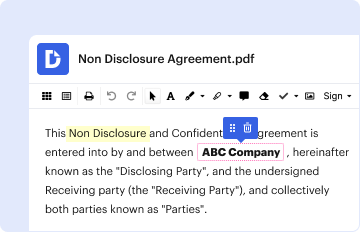
01. Edit your 2010 form 990 instructions online
Type text, add images, blackout confidential details, add comments, highlights and more.

Type text, add images, blackout confidential details, add comments, highlights and more.
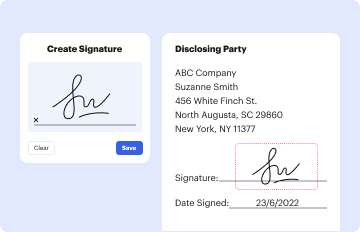
Draw your signature, type it, upload its image, or use your mobile device as a signature pad.
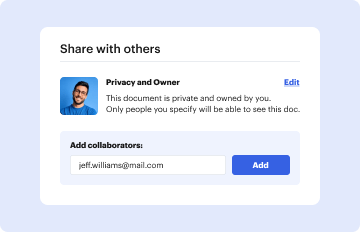
Send it via email, link, or fax. You can also download it, export it or print it out.
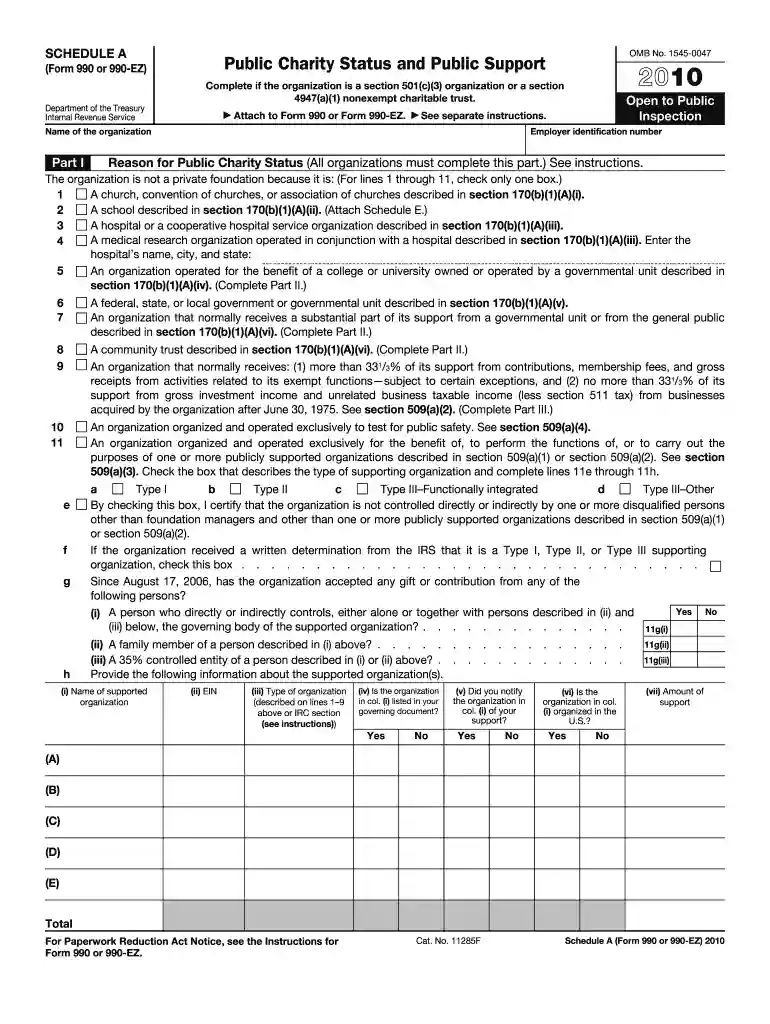
Form 990 Schedule A is essential for section 501(c)(3) organizations and nonexempt charitable trusts, as it helps report their public charity status and public support. This form is critical in determining an organization’s status as a publicly supported charity, which can impact tax obligations and eligibility for certain benefits. Schedule A outlines criteria such as public support tests and various types of applicable organizations.
Public charity status is significant not only for compliance purposes but also for maintaining tax-exempt status, which hinges on an organization's ability to meet specific public support criteria. These criteria include providing detailed information about income sources, contributions, and public support percentages.
Organizations can access Form 990 Schedule A through several channels. It is readily available on the IRS website, where it can be downloaded as a PDF. Alternatively, organizations may find the form through tax software platforms, which often provide the latest versions of tax documents and facilitate direct filing with the IRS. This ease of access ensures that organizations can remain compliant with IRS requirements by submitting accurate and timely documentation.
Filling out Form 990 Schedule A involves several steps, each requiring careful consideration and accuracy:
Determine Public Support Classification: Organizations must establish whether they are supported mainly by public contributions or from other sources.
Gather Financial Data: Compile detailed financial records that include contributions, grants, and other forms of revenue to accurately report on the form.
Complete Relevant Sections: Depending on the organization type, complete either Section A for institutions that receive broad public support or Section B for organizations supported primarily by a small group of contributors.
Calculate Public Support Percentage: Use the financial data to calculate the public support percentage, following instructions provided by the IRS, to ensure compliance.
Review and Submit: Double-check all information for accuracy before submission, as errors can lead to delays or penalties.
Several essential components need careful attention:
Part I: Reason for Public Charity Status: Specify the reason your organization qualifies as a public charity by checking the appropriate box that corresponds with your entity type.
Part II and III: Public Support Test: Demonstrate your organization meets the public support criteria by completing the relevant tests for support ratio calculation. This includes listing public and governmental contributions and comparing them against total support.
Schedule of Contributors: Document major contributors and their contributions, ensuring transparency and compliance with IRS requirements.
Accurate completion of Form 990 Schedule A is vital for maintaining tax-exempt status and avoiding penalties. Errors or omissions could lead to IRS audits, penalties, or even loss of tax-exempt status, which would significantly impact the financial health and operational capacity of an organization.
Form 990 Schedule A is predominantly used by:
These groups utilize the form to verify their public charity status, necessary for tax exemption and validating their operational legitimacy.
The IRS provides specific guidelines for filling out Form 990 Schedule A, covering instructions for financial data presentation, calculating support tests, and documenting contributors. Organizations should follow these guidelines meticulously to ensure compliance.
Submission can be accomplished via:
Failure to file Form 990 Schedule A or inaccuracies within the document can lead to significant consequences, including:
Organizations are encouraged to seek professional guidance or utilize comprehensive software tools to avoid these pitfalls.
Organizations have the option to file Form 990 Schedule A digitally or on paper. Many find that digital submissions offer a streamlined, error-reducing workflow with immediate confirmation of receipt from the IRS. In contrast, paper submissions may be suitable for organizations with limited internet access or those preferring traditional methods.
Digital submissions often integrate with accounting and tax software, which assist in validating data accuracy, thereby minimizing the risk of errors and non-compliance.
We've got more versions of the 2010 form 990 instructions form. Select the right 2010 form 990 instructions version from the list and start editing it straight away!
| Versions | Form popularity | Fillable & printable |
|---|---|---|
| 2025 | 4.5 Satisfied (34 Votes) | |
| 2024 | 4.1 Satisfied (50 Votes) | |
| 2023 | 4.3 Satisfied (26 Votes) | |
| 2022 | 4.3 Satisfied (28 Votes) | |
| 2021 | 4.9 Satisfied (57 Votes) | |
| 2020 | 4.2 Satisfied (32 Votes) | |
| 2019 | 3.9 Satisfied (28 Votes) | |
| 2018 | 4.3 Satisfied (116 Votes) | |
| 2017 | 4.3 Satisfied (60 Votes) | |
| 2016 | 4.4 Satisfied (536 Votes) | |
| 2015 | 4.3 Satisfied (36 Votes) | |
| 2014 | 4 Satisfied (21 Votes) | |
| 2013 | 4.2 Satisfied (57 Votes) | |
| 2012 | 4 Satisfied (20 Votes) | |
| 2011 | 4.1 Satisfied (54 Votes) |
At DocHub, your data security is our priority. We follow HIPAA, SOC2, GDPR, and other standards, so you can work on your documents with confidence.
May 15, 2014 Did the organization contemporaneously document the meetings held or written actions undertaken during the year by the following: Were officers,Read more
Schedule A (Form 990 or 990-EZ) 2010. Page 3. Support Schedule for Organizations Described in Section 509(a)(2). (Complete only if you checked the box on lineRead more
Part I. Reason for Public Charity Status (All organizations must complete this part.) See instructions. The organization is not a private foundation becauseRead more


