Definition & Meaning
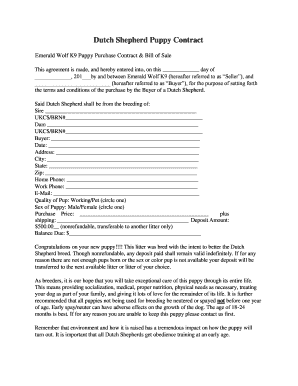
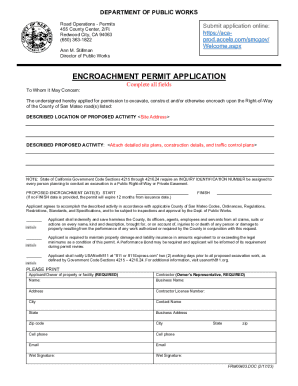
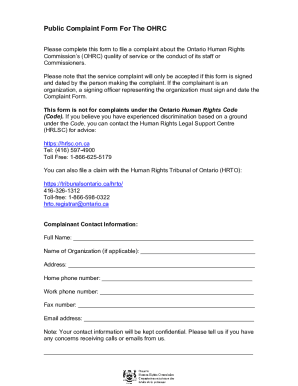
The term "2012 form" can encompass various documents that were standardized or required during the year 2012. These forms could range from tax documents to applications or legal forms, depending on their context. Generally, each form serves a specific purpose, such as collecting information, facilitating legal transactions, or ensuring compliance with particular regulations. Understanding the meaning of the 2012 form involves recognizing its role within its specific domain, such as taxation, employment, or other administrative tasks.
How to Use the 2012 Form
Utilizing a 2012 form primarily involves filling out the required fields with accurate and relevant information. The forms typically include instructions for each section, ensuring that the user understands what information is needed and why. For example, in a tax-related form, users need to provide financial details that determine tax liabilities or refunds. Always review any accompanying guidelines to ensure compliance and accuracy:
- Read through the entire form before beginning.
- Gather necessary documents or information.
- Follow any specific instructions for certain fields or sections.
- Triple-check for errors before submission.
Steps to Complete the 2012 Form
-
Obtain the Form: Start by acquiring the 2012 form through appropriate channels such as government websites, office visits, or official mailing schemes.
-
Read Instructions Carefully: Every form comes with detailed instructions that outline how to fill in each section. Make sure to understand these guidelines thoroughly.
-
Fill Out the Form: Enter all required information accurately. For tax forms, this may include personal identification, income details, and deductions.
-
Review: Verify all details before submission, as errors could lead to processing delays or legal issues.
-
Submit the Form: Depending on form type, submission could be online, via mail, or in person at designated offices.
Important Terms Related to the 2012 Form
- Document ID: Unique identifier for referencing the form.
- Fiscal Year: Refers to the accounting year related to a financial form.
- Compliance Date: The deadline by which the form must be submitted.
- Exemptions: Specific conditions where certain information or requirements may be excluded.
Understanding these terms ensures the proper handling and completion of forms.
Legal Use of the 2012 Form
The legality of using any 2012 form hinges upon its intended purpose and adherence to the respective regulations set forth during that year. Generally, these forms are used to fulfill legal obligations, such as filing taxes or applying for permits. Any errors or misuse can lead to significant consequences:
- Ensure compliance with all guidelines to avoid penalties.
- Forms should be submitted within designated timeframes.
- In cases of uncertainty, consult with a legal advisor to ensure accuracy.
Required Documents
When dealing with 2012 forms, certain documents may be required to accompany your submission:
- Identification Documents: Such as a social security card or driver’s license.
- Financial Records: Bank statements, pay stubs, or W-2 forms for tax-related forms.
- Previous Year’s Documentation: Necessary for fiscal year comparisons.
Gather these before starting the form to streamline the process and ensure completeness.
Software Compatibility
For convenience, many users prefer to fill out, submit, or manage forms via compatible software, particularly tax forms. Popular software options in 2012 included:
- TurboTax: Provides guided assistance for tax form completion.
- QuickBooks: Offers features for financial tracking and tax filing.
- DocHub: Enables editing and signing documents, a useful tool for those needing to alter or annotate forms before submission.
Compatibility ensures that documents are correctly formatted and processed without technical issues.
Form Submission Methods (Online / Mail / In-Person)
The method of submission is as important as the form itself. Different forms may allow or require different submission routes to ensure proper processing:
- Online Submission: Fast, convenient, often with immediate confirmation of receipt. Ideal for tax forms using electronic filing systems.
- Mail Submission: Standard tracking can be used, good for backup records.
- In-Person Submission: Provides the advantage of immediate feedback or clarification if visiting an office or assistance center.
Choosing the correct method for your 2012 form can streamline processing times and reduce errors.