



01. Edit your 433 a 2022 online
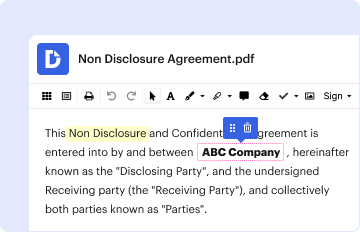
Type text, add images, blackout confidential details, add comments, highlights and more.

Type text, add images, blackout confidential details, add comments, highlights and more.
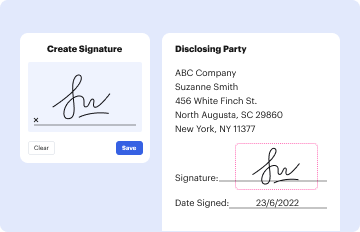
Draw your signature, type it, upload its image, or use your mobile device as a signature pad.

Send form 433 a oic via email, link, or fax. You can also download it, export it or print it out.
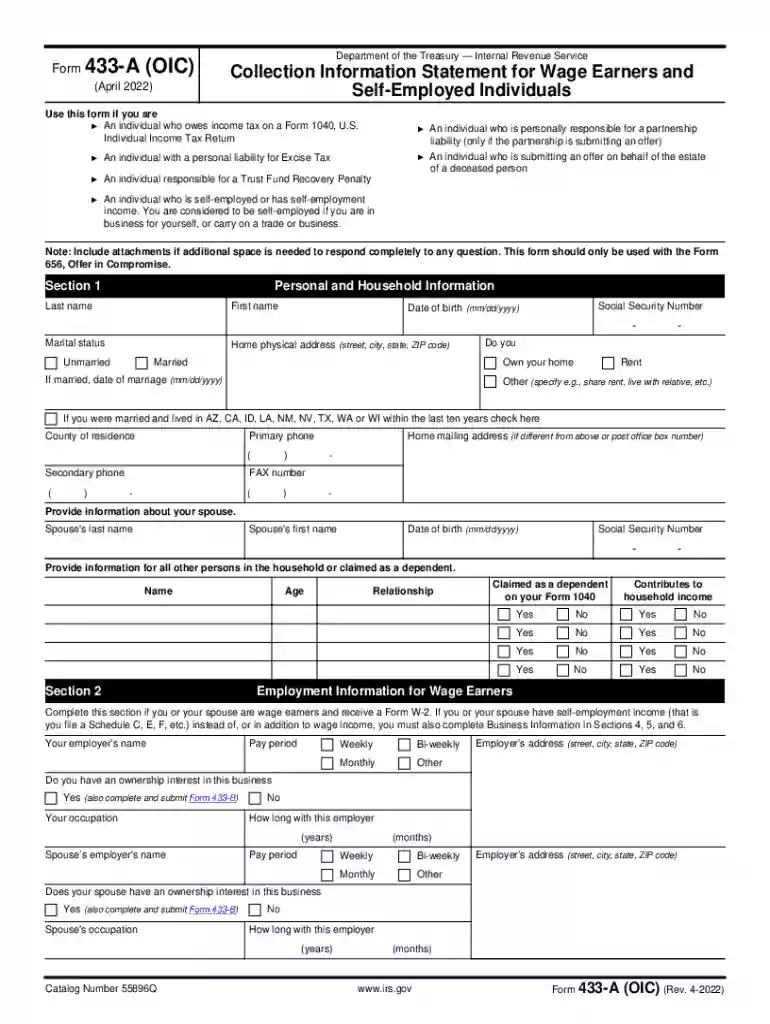
Form 433-A (OIC), officially titled the "Collection Information Statement for Wage Earners and Self-Employed Individuals," is a critical document used by individuals in the United States who seek to settle their debts with the IRS through an Offer in Compromise (OIC). This form serves as an essential tool for the IRS to evaluate the financial condition of taxpayers who owe income tax or have personal liabilities such as excise tax or trust fund recovery penalties. It collects comprehensive details about the individual's personal, household, employment, asset, and income information. These details are vital for determining eligibility and the potential for settling tax debts for less than the full amount owed.
Gather Required Information: Before filling out the form, collect all necessary financial documents. These include bank statements, pay stubs, and information on any assets such as property and vehicles.
Personal Information: Begin by providing personal information such as your name, social security number, address, and employment details. Ensure this information is accurate as it forms the foundation of your financial disclosure.
Asset Valuation: Next, detail all assets owned, including real estate, cars, and personal property. Use current market values, as accurate valuation is crucial for the IRS to assess your offer.
Income and Expenses: Carefully document your monthly income and expenses. This includes wages, benefits, living expenses, and debt payments. It's important that these figures reflect your typical monthly financial circumstances.
Self-Employment Details: If applicable, provide information about your business activities. Include revenue, business expenses, and net income. This section illustrates how your business contributes to your overall financial situation.
Offer Calculation: Calculate the minimum offer amount based on your disposable income and asset equity. This figure is crucial as it represents what you propose to settle your tax liability.
Review and Submit: Double-check all entries for accuracy. Errors can lead to delays or rejection. Once reviewed, submit the form according to IRS submission guidelines, typically via mail.
The IRS provides comprehensive guidelines for completing the Form 433-A (OIC) to ensure accuracy and compliance. These directives aim to assist taxpayers in accurately assessing their financial situation and determining a viable offer. The guidelines specify documentation to support income and expenses, the method for calculating asset values, and the criteria for evaluating offer amounts. A detailed understanding of these guidelines is crucial for taxpayers to enhance the likelihood of offer acceptance.
To be eligible to submit Form 433-A (OIC), taxpayers must meet specific criteria. These include owing a non-disputed tax liability, demonstrating that the liability cannot be paid in full through existing income or assets, and being up-to-date with all filing and payment requirements for the current year. Eligibility for an Offer in Compromise also typically requires that the taxpayer is not in an open bankruptcy proceeding.


The primary users of Form 433-A (OIC) are wage earners and self-employed individuals facing significant tax bills that they cannot pay in full. The form provides a means for these individuals to negotiate with the IRS to potentially reduce their overall debt. Individuals whose financial circumstances are dire and do not allow for full payment of their tax liabilities often rely on this form as a method of seeking financial relief.

The application process for submitting Form 433-A (OIC) involves several steps. Initially, taxpayers must fill out the form with precise financial information and calculate a reasonable offer. After submission, the IRS reviews the documentation, which can be a lengthy process lasting several months. During this time, the IRS may request additional information. Approval times can vary based on the complexity of the applicant's financial situation and the workload of the reviewing IRS office.
Individuals who have successfully utilized Form 433-A (OIC) provide invaluable examples of its application. For instance, a self-employed individual with declining business revenues may use the form to restructure an insurmountable tax bill. Similarly, a wage earner facing unexpected medical expenses could leverage the form to propose an offer that aligns with their decreased disposable income. These scenarios highlight the form's role in facilitating workable solutions for tax debt relief.
We've got more versions of the 433 a 2022 form. Select the right 433 a 2022 version from the list and start editing it straight away!
| Versions | Form popularity | Fillable & printable |
|---|---|---|
| 2025 | 4.7 Satisfied (24 Votes) | |
| 2024 | 4.8 Satisfied (60 Votes) | |
| 2023 | 4.8 Satisfied (43 Votes) | |
| 2022 | 4.5 Satisfied (57 Votes) | |
| 2021 | 4.9 Satisfied (41 Votes) | |
| 2020 | 4.3 Satisfied (130 Votes) | |
| 2019 | 4.3 Satisfied (241 Votes) | |
| 2018 | 4.3 Satisfied (138 Votes) | |
| 2014 | 4.4 Satisfied (1237 Votes) | |
| 2012 | 4.3 Satisfied (61 Votes) |
At DocHub, your data security is our priority. We follow HIPAA, SOC2, GDPR, and other standards, so you can work on your documents with confidence.
by PA Schrodt 2012 Cited by 1 2 VERB CODEBOOK. 6. 2.1 MAKE PUBLIC STATEMENT . . . . . . . . . . . . . . . . . . . . . . . . . . . . . . 6. 2.2 APPEAL .Read more
Complete this section if you or your spouse are wage earners and receive a Form W-2. If you or your spouse have self-employment income (that is.Read more
Instead, complete Form 433-A (OIC) Collection Information Statement for Wage Earners and Self-. Employed Individuals. This form should only be used with theRead more


