






Definition and Purpose of an IRS Tax Attorney
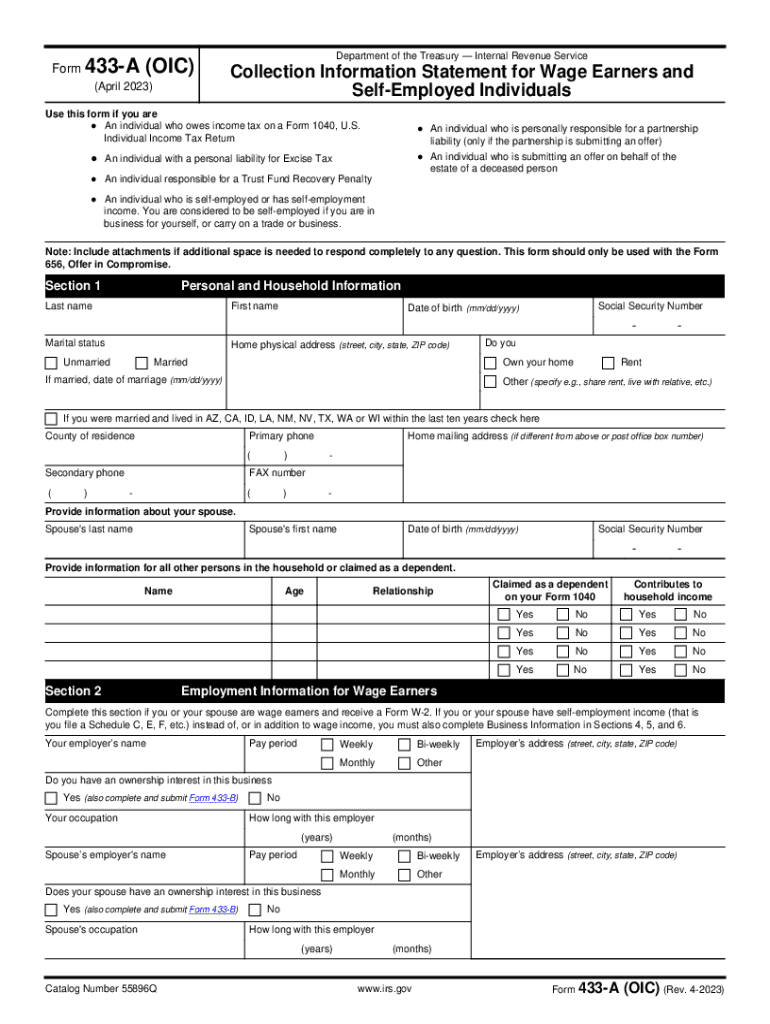
An IRS tax attorney is a legal professional specializing in tax laws and regulations. These attorneys provide expert advice and representation for individuals and businesses dealing with complex tax issues, including disputes with the Internal Revenue Service (IRS). Their main role is to assist clients in understanding and navigating the intricacies of tax laws, ensuring compliance, and resolving any conflicts with tax authorities. They are invaluable for those facing audits, appeals, or needing to negotiate settlements on tax liabilities.
Importance of Hiring a Good IRS Tax Attorney
Hiring a competent IRS tax attorney can be crucial in various scenarios involving tax disputes or questions about compliance. A good tax attorney can protect your rights and help avoid potential legal consequences, such as fines or penalties. They can provide strategic guidance to minimize tax liabilities and secure more favorable outcomes in negotiations with the IRS. They are also instrumental for businesses in ensuring all tax-related activities conform to federal and state laws, thereby reducing risks of future disputes.
Key Qualities to Look for in an IRS Tax Attorney
- Expertise in Tax Law: Ensure the attorney is specialized in tax law with a solid understanding of current regulations.
- Experience with IRS Interactions: An attorney with a track record of successful IRS negotiations can navigate the complexities more effectively.
- Reputation and Reviews: Consider testimonials, reviews, and professional endorsements to assess reliability and effectiveness.
- Accessibility and Communication: Look for someone who communicates clearly and is accessible for consultations and updates.
How to Use and Benefit from Engaging an IRS Tax Attorney
Engaging with an IRS tax attorney involves several steps, from the initial consultation to ongoing representation. Start by clearly outlining your tax issues and goals. The attorney will then analyze your situation, develop a legal strategy, and represent you in dealings with the IRS. They will assist in preparing necessary documentation, representing you in audits or hearings, and negotiating any settlements or appeals. Their expertise ensures that your legal and financial interests are protected throughout the process.
- Set Clear Objectives: Work with your attorney to define what you seek to achieve (e.g., reducing penalties, negotiating a payment plan).
- Regular Communication: Maintain open lines of communication for timely updates and advice.
Steps to Find and Hire a Good IRS Tax Attorney
Finding a reputable IRS tax attorney requires a methodical approach to ensure you choose the best professional for your case.
- Identify Needs: Determine the specific tax issues at hand and the expertise required.
- Research Attorneys: Utilize online directories, bar association resources, and referrals to find potential candidates.
- Check Credentials: Verify the attorney’s education, certification, and experience with handling similar cases.
- Initial Consultation: Schedule meetings with a few attorneys to discuss your case, their approach, and fee structures.
- Decision Making: Choose an attorney based on compatibility, expertise, and fee transparency.
Factors Influencing Selection
- Cost: Compare fee structures and ensure they align with your budget.
- Specialization: Some attorneys may have more expertise in certain areas like estate taxes or corporate taxation.
Legal Use and Protection Provided by an IRS Tax Attorney
Engaging an IRS tax attorney offers critical legal protections and representation during disputes with tax authorities. They can aid in:
- Preparing Legal Documents: Ensuring all tax filings and communications are accurate and compliant.
- Representation in Hearings or Audits: Acting as a mediator between you and the IRS.
- Negotiating Settlements: Engaging in discussions to reduce taxable amounts or penalties.
- Legal Advice: Offering informed advice on reporting and compliance issues to prevent future disputes.
Key Elements of Working with an IRS Tax Attorney
The process involves several key components that ensure effective legal support and favorable outcomes.
Critical Steps and Interactions
- Initial Assessment: Determining the scope of your tax issues.
- Documentation Gathering: Collecting all relevant financial and legal documents.
- Strategy Development: Crafting a tailored plan to address and resolve issues.
- Ongoing Support: Regular updates and adjustments as new information becomes available or as cases develop.
Practical Scenarios and Examples
- Audit Representation: An attorney defending a taxpayer in an IRS audit, ensuring correct interpretation and application of tax laws.
- Settlement Negotiation: Negotiating a reduction in assessed penalties or tax liabilities.
State-Specific Considerations and Variations
While federal tax laws govern IRS matters, individual states have their own tax regulations that may affect how a tax attorney approaches a case.
- State Tax Laws: Understanding how the tax laws in your specific state interact with federal regulations.
- Local Expertise: Hiring an attorney familiar with both state and federal laws aids in comprehensive legal support.
Examples of Successful IRS Tax Attorney Cases
Case studies offer insight into how IRS tax attorneys can effectively resolve complex tax issues. They highlight various situations, from individual taxpayers obtaining significant reductions in penalties to businesses finding innovative solutions for compliance issues.
- Case Study 1: An individual facing substantial penalties successfully negotiates a payment plan that reduces total liability.
- Case Study 2: A small business audits resulting in a no-change report due to the attorney’s preparation and representation.
By understanding the role and benefits of an IRS tax attorney, individuals and businesses can better navigate their tax obligations and safeguard against potential legal complications.