




01. Edit your letter of medical necessity for gym membership online
Type text, add images, blackout confidential details, add comments, highlights and more.

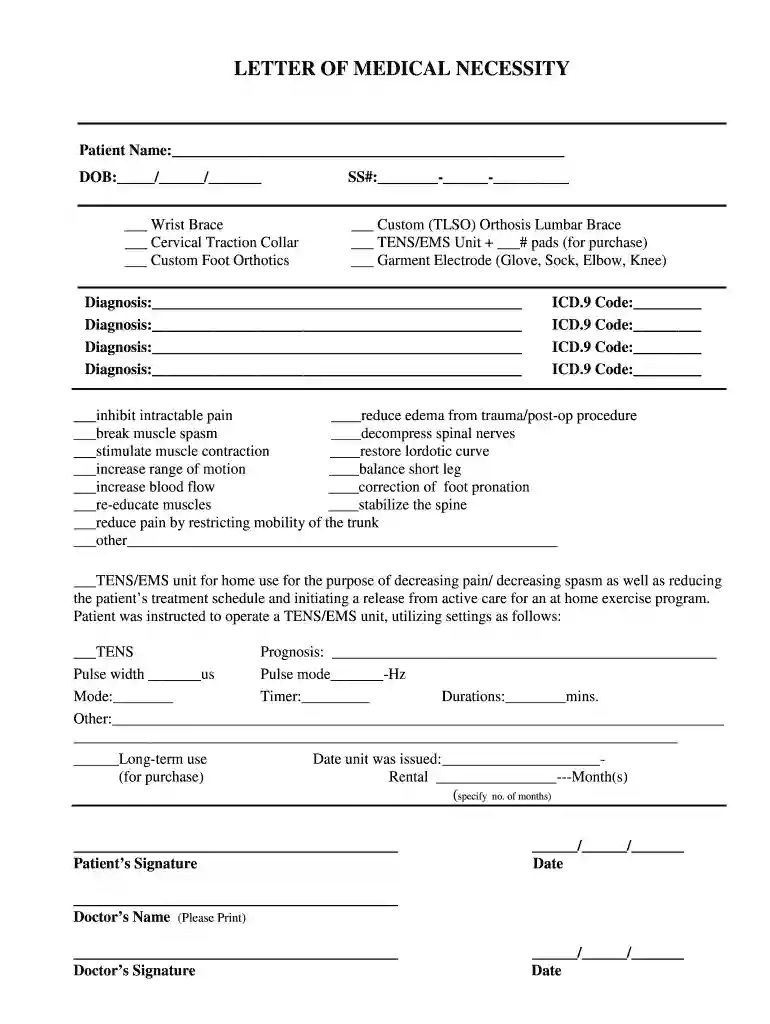
Type text, add images, blackout confidential details, add comments, highlights and more.

Draw your signature, type it, upload its image, or use your mobile device as a signature pad.

Send sample letter of medical necessity for gym membership via email, link, or fax. You can also download it, export it or print it out.
A letter of medical necessity for a fitness tracker is a formal document provided by a healthcare professional. It outlines a patient's specific medical condition and the necessity of using a fitness tracker as part of their treatment plan. This letter is often required for insurance claims or reimbursement processes associated with Flexible Spending Accounts (FSAs) or Health Savings Accounts (HSAs). The content of the letter should clearly specify the diagnosis, the fitness tracker’s role in managing the patient's health, and any relevant codes for insurance purposes, such as ICD codes.
The primary purpose of this letter is to validate the therapeutic need for the fitness tracker. By doing so, it supports the patient's financial assistance in acquiring the device, potentially allowing insurance coverage or reimbursement. The benefits include:
Acquiring a letter of medical necessity involves several key steps that can ensure that the process is thorough and effective.
Consult with a Healthcare Provider: Schedule an appointment with a physician who understands your medical history and the role a fitness tracker plays in your treatment or rehabilitation.
Discuss the Requirement: Clearly articulate the need for a fitness tracker in your specific health context. Explain how it can assist with health management, such as monitoring heart rate, tracking activity levels, or supporting rehabilitation efforts.
Request the Letter: After explaining its importance, formally ask your provider to write a letter of medical necessity, ensuring they understand the requirements set by your insurance provider.
Provide Necessary Information: Provide your doctor with any required details, such as your health condition, treatment goals, and any specific insurance guidelines about what needs to be included in the letter.
Review the Letter: Once the letter is drafted, review it to ensure it contains all necessary information, including your diagnosis, the fitness tracker's importance, and any relevant codes.
Submit the Letter to Your Insurer: Send the completed letter to your insurance company or upload it as required for processing your claim or reimbursement.
A well-constructed letter of medical necessity contains several vital elements that must be included to ensure it meets insurance standards.
The applicability of a letter of medical necessity for a fitness tracker can vary based on different health conditions and treatment goals.
These examples highlight the practical applications of a fitness tracker as deemed necessary by a healthcare provider, reinforcing the importance of the letter in healthcare management.
The letter of medical necessity is legally binding and must adhere to regulatory guidelines. It's essential to ensure the letter:
Understanding these legal aspects is vital for both patients and healthcare providers to ensure proper application and avoid unintended complications in the health insurance process.
We've got more versions of the letter of medical necessity for gym membership form. Select the right letter of medical necessity for gym membership version from the list and start editing it straight away!
| Versions | Form popularity | Fillable & printable |
|---|---|---|
| 2023 | 4.8 Satisfied (35 Votes) | |
| 2022 | 4.3 Satisfied (46 Votes) | |
| 2022 | 4.6 Satisfied (38 Votes) | |
| 2021 | 4.8 Satisfied (67 Votes) | |
| 2021 | 4.8 Satisfied (37 Votes) | |
| 2021 | 4.8 Satisfied (155 Votes) | |
| 2021 | 4.5 Satisfied (34 Votes) | |
| 2020 | 4.8 Satisfied (133 Votes) | |
| 2020 | 4.8 Satisfied (53 Votes) | |
| 2020 | 4.8 Satisfied (161 Votes) | |
| 2020 | 4.4 Satisfied (124 Votes) | |
| 2020 | 4.7 Satisfied (43 Votes) | |
| 2020 | 4.8 Satisfied (135 Votes) | |
| 2019 | 4.3 Satisfied (31 Votes) | |
| 2019 | 4.4 Satisfied (24 Votes) |
At DocHub, your data security is our priority. We follow HIPAA, SOC2, GDPR, and other standards, so you can work on your documents with confidence.


