




01. Edit your form online
Type text, add images, blackout confidential details, add comments, highlights and more.

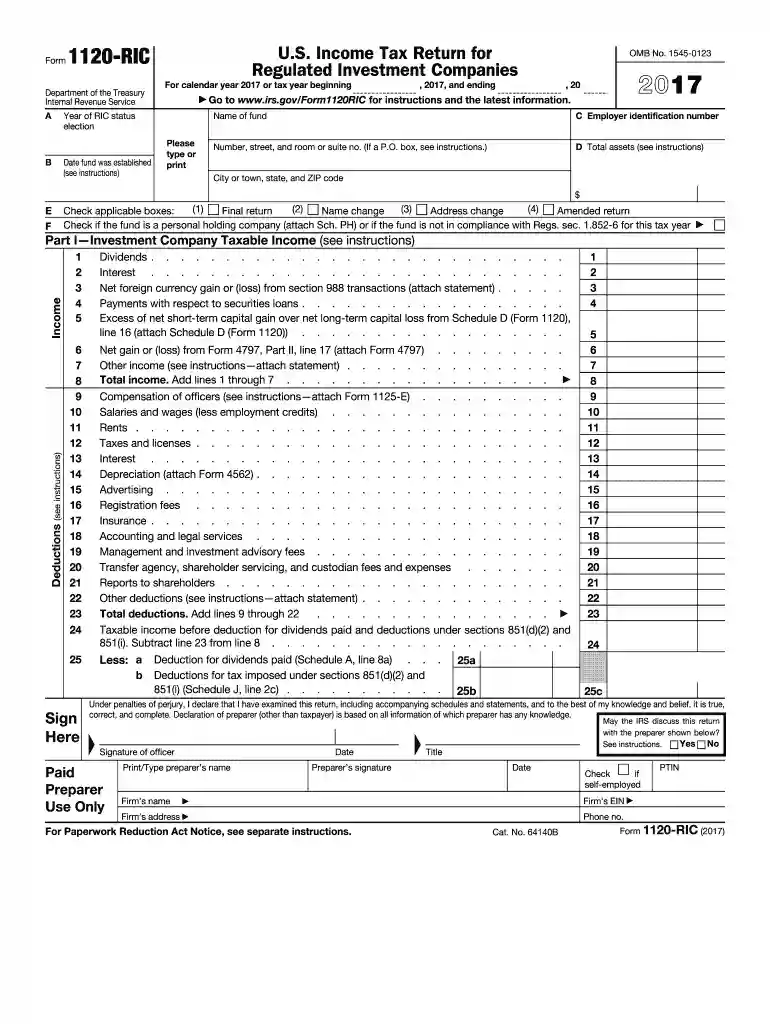
Type text, add images, blackout confidential details, add comments, highlights and more.

Draw your signature, type it, upload its image, or use your mobile device as a signature pad.

Send it via email, link, or fax. You can also download it, export it or print it out.
The "852 B 4 2017" form is a specific document typically associated with regulatory or industry-specific use cases. Understanding its definition and meaning is crucial for proper usage. It is often utilized by companies or individuals in the context of financial reporting or compliance, serving as a standardized method to report certain types of information to governmental bodies or regulatory agencies. These forms are often required annually or in specific situations, helping ensure transparency and adherence to relevant rules.
This section discusses the essential components that make up the "852 B 4 2017" form. Each section of the form is designed to capture specific data points. Familiarity with these elements is essential to complete the form accurately.
Accurate completion of the form requires attention to detail and a methodical approach. Follow these steps to ensure accuracy:
Understanding the legal context of the form is crucial for its proper use. The form adheres to specific legal guidelines designed to ensure compliance with applicable laws. It serves as an official record for the submission of particular information relevant to legal or regulatory oversight.
Accessing the form is an initial step that must be completed correctly. Here’s how to obtain the form efficiently:
Understanding key terminology associated with the form can aid in proper completion and submission. This includes terminologies unique to financial reporting or legal compliance.
Failing to file the form correctly or on time can lead to penalties. Awareness of potential fines and consequences can prevent costly mistakes.
Understanding the deadlines associated with the form is critical to ensure timely submission.
This organized content structure offers a comprehensive view of the "852 B 4 2017" form, ensuring clarity and precision for those seeking to understand or use the document effectively.
We've got more versions of the 852 b 4 2017 form form. Select the right 852 b 4 2017 form version from the list and start editing it straight away!
| Versions | Form popularity | Fillable & printable |
|---|---|---|
| 2025 | 4.7 Satisfied (47 Votes) | |
| 2024 | 4.4 Satisfied (30 Votes) | |
| 2023 | 4.4 Satisfied (53 Votes) | |
| 2022 | 4.6 Satisfied (34 Votes) | |
| 2021 | 4.9 Satisfied (31 Votes) | |
| 2020 | 4.3 Satisfied (53 Votes) | |
| 2019 | 4.2 Satisfied (94 Votes) | |
| 2018 | 4.4 Satisfied (118 Votes) | |
| 2017 | 3.9 Satisfied (48 Votes) | |
| 2016 | 4.4 Satisfied (467 Votes) | |
| 2015 | 4.2 Satisfied (68 Votes) | |
| 2014 | 4 Satisfied (45 Votes) | |
| 2013 | 4 Satisfied (56 Votes) | |
| 2012 | 4 Satisfied (22 Votes) | |
| 2011 | 4.3 Satisfied (65 Votes) |
At DocHub, your data security is our priority. We follow HIPAA, SOC2, GDPR, and other standards, so you can work on your documents with confidence.
1. Dividends paid (other than dividends paid after the end of the tax year). Do not include dividends deemed paid in the preceding tax year under section. 852(b)(Read more
July 30, 2018, and 4. September 23,. 872. 2018. Panel b) shows an enlarged image of the 2017 imagery of the more prominent floodplain. 873 beaver ponds andRead more
by JM Colon 2017 Cited by 27 To prevent this, 852(b)(4) converts any. STCL on the sale of a mutual fund held for six months or less into LTCL to the extent that a shareholder hasRead more


