


Boost your production with Judicial Forms
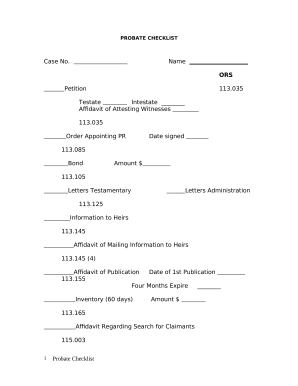
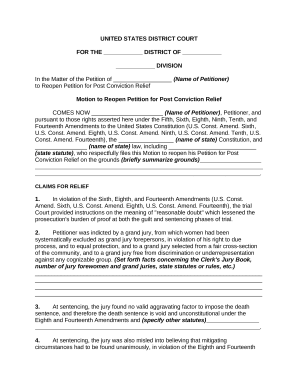
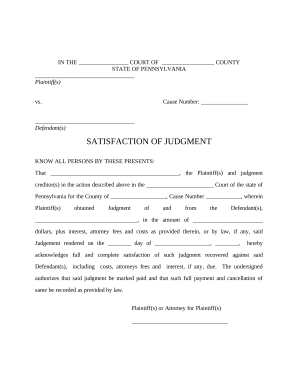
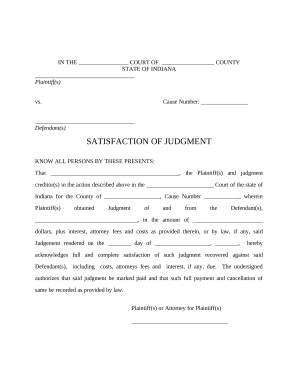
Form management consumes to half of your business hours. With DocHub, it is easy to reclaim your time and effort and increase your team's productivity. Access Judicial Forms category and explore all form templates related to your daily workflows.
Effortlessly use Judicial Forms:
- Open Judicial Forms and use Preview to find the relevant form.
- Click Get Form to start working on it.
- Wait for your form to open in the online editor and start modifying it.
- Add new fillable fields, icons, and images, change pages, and many more.
- Fill your form or prepare it for other contributors.
- Download or deliver the form by link, email attachment, or invite.
Boost your daily document management with our Judicial Forms. Get your free DocHub profile right now to explore all templates.
Video Guide on Judicial Forms management

Commonly Asked Questions about Judicial Forms
What are the three typical forms of judicial decrees?
An interlocutory decree operates as an intermediate judgment issued by a court that is not yet final. A consent decree is a court order to which all parties have agreed. A decree of distribution is a final court order that distributes a probate estate. A final decree is a final judgment in a court case.
What are the 3 types of judicial jurisdiction?
Subject-matter jurisdiction General Jurisdiction, which means that a court has the ability to hear and decide a wide range of cases. Limited Jurisdiction, which means that a court has restrictions on the cases it can decide. Exclusive Jurisdiction, which means that only a particular court can decide a case. Jurisdiction and Venue: Where to file a case - California Courts California Courts California Courts
What are the 3 main courts of the judicial branch?
The federal court system has three main levels: district courts (the trial court), circuit courts which are the first level of appeal, and the Supreme Court of the United States, the final level of appeal in the federal system. U.S. Attorneys | Introduction To The Federal Court System Department of Justice (.gov) usao justice-101 federal-c Department of Justice (.gov) usao justice-101 federal-c
What are the different judicial systems?
California has 2 types of state courts, trial courts (also called superior courts) and appellate courts, made up of the Courts of Appeal and the California Supreme Court. How Courts Work - gettingstartedselfhelp California Courts California Courts
What are the 3 purposes of the judicial system?
Protect fundamental constitutional and legal rights and promote the rule of law. Provide access to all who seek court intervention. Support the timely and fair disposition of all cases. Purposes and Responsibilities National Association for Court Management competency purposes-and-respon National Association for Court Management competency purposes-and-respon
What are the three types of judicial system?
California has 2 types of state courts, trial courts (also called superior courts) and appellate courts, made up of the Courts of Appeal and the California Supreme Court.
What are the names of the two forms of federal judicial jurisdiction?
Federal courts decide disputes involving the U.S. Constitution, federal laws, disputes between states, and disputes involving more than $75,000 between residents of different states. At both the federal and state levels there are two kinds of courts: the trial court and the appellate court.
What are the three forms of judicial selection?
There are three main methods by which judges are selected around the world: appointment, competitive exam, and election. Different methods may be used at different levels. Trial court judges may be selected by examination, for instance, while supreme court and constitutional court justices are appointed.


