Rhode island judgment 2026

Get Form
court connect rhode island Preview on Page 1

Here's how it works

01. Edit your court connect rhode island online
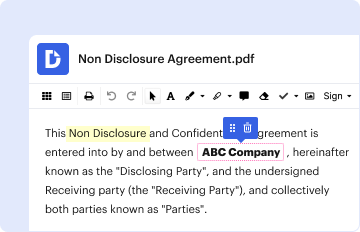
Type text, add images, blackout confidential details, add comments, highlights and more.
02. Sign it in a few clicks
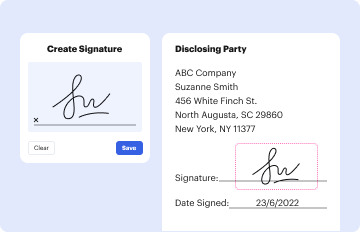
Draw your signature, type it, upload its image, or use your mobile device as a signature pad.
03. Share your form with others
Send court records rhode island via email, link, or fax. You can also download it, export it or print it out.

How to use or fill out rhode island judgment with our platform

Form edit decoration
9.5
Ease of Setup
DocHub User Ratings on G2
9.0
Ease of Use
DocHub User Ratings on G2
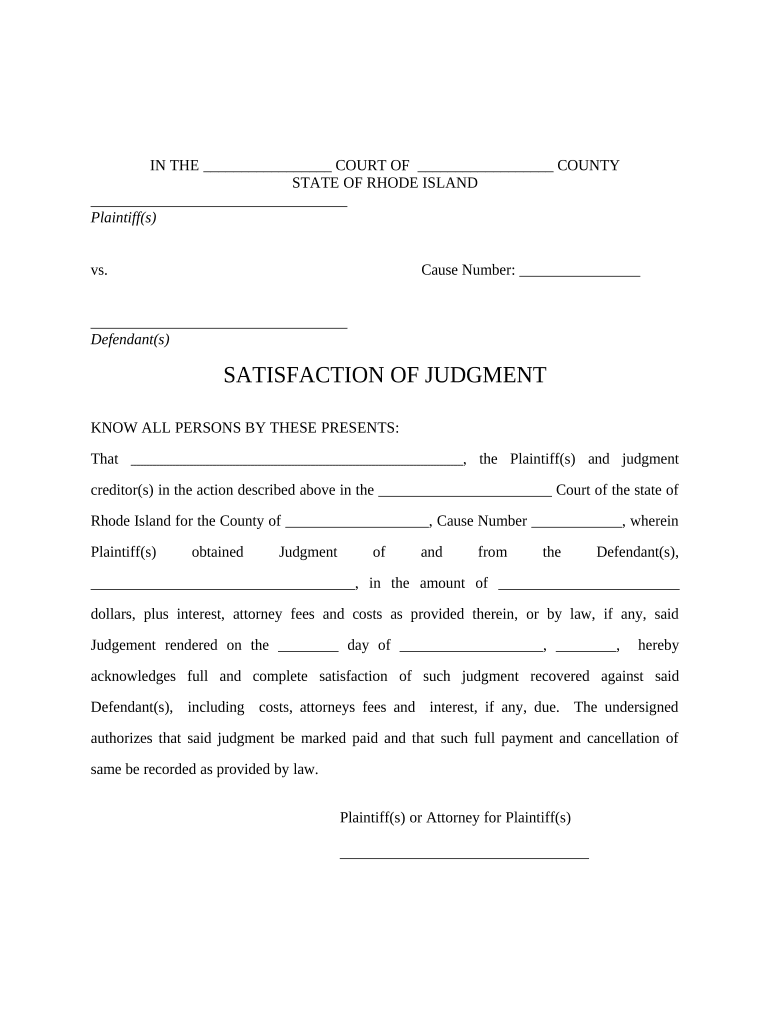
  1. Click ‘Get Form’ to open the Rhode Island Judgment in the editor.
  2. Begin by filling in the court name and county at the top of the form. This identifies where your judgment is being filed.
  3. Enter the cause number, which is essential for tracking your case. Ensure this matches what was provided in your original judgment.
  4. In the section for Plaintiff(s) and Defendant(s), clearly write the names of all parties involved in the case.
  5. Specify the amount of judgment awarded, including any additional costs like interest and attorney fees, if applicable.
  6. Complete the acknowledgment section by providing details about who is signing on behalf of the Plaintiff(s).
  7. If necessary, fill out any notary sections to ensure that your document is legally binding.
  8. Finally, certify mailing by entering addresses for both parties and signing where indicated before submitting.

Start using our platform today to easily complete your Rhode Island Judgment form online for free!

be ready to get more

Complete this form in 5 minutes or less

Get form

Got questions?

We have answers to the most popular questions from our customers. If you can't find an answer to your question, please contact us.
Contact us
Innis helped to clarify interrogation in regard to the Miranda rule. The Court explained that Miranda rights are applied to any direct question or its functional equivalent. This means that interrogation includes any words or actions used by police that can reasonably lead to an incriminating response.
Rhode Island Civil Statute of Limitations: At a Glance Injury to PersonThree years (R.I. Gen. L. 9-1-14) Collection of Rents 10 years (R.I. Gen. L. 9-1-13) Contracts Written: 10 years (R.I. Gen. L. 9-1-13) Sale of goods: Four years (R.I. Gen. L. 6A-2-725) Judgments 20 years (R.I. Gen. L. 9-1-17)6 more rows
The Rhode Island Judiciary website features a database or Public Portal where individuals may access case information for some types of cases, including most criminal cases in the District, Superior, and Supreme Courts.
On appeal from respondents conviction for kidnaping, robbery and , the Rhode Island Supreme Court held that Officer Gleckmans statement constituted impermissible interrogation, and rejected the trial courts waiver analysis. It therefore reversed respondents conviction and remanded for a new trial.
The Rhode Island Supreme Court, in a 5-2 decision, set aside the con- viction,39 holding that Innis had invoked his right to counsel and that, con- trary to the mandate of Miranda,4 the police had continued to interrogate him without a valid waiver of his rights.

Security and compliance

At DocHub, your data security is our priority. We follow HIPAA, SOC2, GDPR, and other standards, so you can work on your documents with confidence.

Learn more
ccpa2
pci-dss
gdpr-compliance
hipaa
soc-compliance
be ready to get more

Complete this form in 5 minutes or less

Get form

People also ask

Innis, 446 U.S. 291 (1980), is a decision by the United States Supreme Court that clarifies what constitutes interrogation for the purposes of Miranda warnings. Under Miranda v. Arizona, police are forbidden from interrogating a suspect once he has asserted his right to counsel under the Sixth Amendment.
Failure by any person without adequate excuse to obey a subpoena served upon that person may be deemed a contempt of the court in which the action is pending.
In Innis, the court held that interrogation is not just direct questioning but also its functional equivalent; namely, any words or actions on the part of the police that the police should know are reasonably likely to elicit an incriminating response.

courtconnect ri