Improve your file managing with Horizontal analysis of Balance Sheet Templates

Your workflows always benefit when you are able to get all of the forms and documents you require at your fingertips. DocHub offers a wide array of document templates to relieve your everyday pains. Get hold of Horizontal analysis of Balance Sheet Templates category and quickly browse for your form.

Begin working with Horizontal analysis of Balance Sheet Templates in several clicks:

  1. Browse Horizontal analysis of Balance Sheet Templates and find the document you need.
  2. Click Get Form to open it in our editor.
  3. Start modifying your document: add more fillable fields, highlight sentences, or blackout sensitive information.
  4. The application saves your adjustments automatically, and once you are all set, you can download or distribute your file with other contributors.

Enjoy smooth form management with DocHub. Check out our Horizontal analysis of Balance Sheet Templates collection and find your form right now!


Video Guide on Horizontal analysis of Balance Sheet Templates management

video background

Commonly Asked Questions about Horizontal analysis of Balance Sheet Templates

A horizontal balance sheet shows assets on the right-hand side, while a vertical one shows it below liabilities. The assets of a company may be either tangible or intangible. Tangible assets are basically those which can be seen physically. Thus, these include land, buildings, fixtures, machinery, vehicles, etc.
Formula Horizontal Analysis (absolute) = Amount in Comparison Year Amount in Base Year. Horizontal Analysis (%) = [(Amount in Comparison Year Amount in Base Year) / Amount in Base Year] * 100. Horizontal Analysis (absolute) = Amount in Comparison Year Amount in Base Year.
Horizontal Analysis: Supports strategic data-driven decision-making by identifying long-term trends and areas for improvement. Vertical Analysis: Informs operational decisions by detailing the relative importance of each component within a specific period.
It can be used with a balance sheet or an income statement. You need at least two accounting periods for a valid comparison, but if you want to really spot trends, you should have at least three, if not more accounting periods of data available for calculating horizontal analysis.
Horizontal analysis is used in the review of a companys financial statements over multiple periods. It is usually depicted as percentage growth over the same line item in the base year. Horizontal analysis allows financial statement users to easily spot trends and growth patterns.
For example, in the balance sheet, we can assess the proportion of inventory by dividing the inventory line using total assets as the base item. On the other hand, horizontal analysis refers to the analysis of specific line items and comparing them to a similar line item in the previous or subsequent financial period.
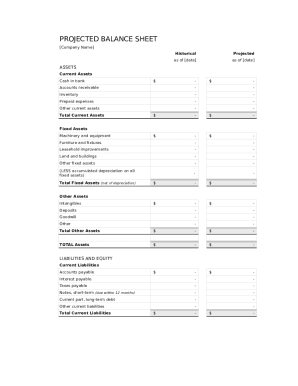
In the Horizontal form of the balance sheet format, assets and liabilities are shown side by side and in the vertical form of the balance sheet, assets, and liabilities are shown vertically. A Balance Sheet is a statement showing the businesss financial position at a given time.