





Understanding the 2017 Federal Schedule F Form
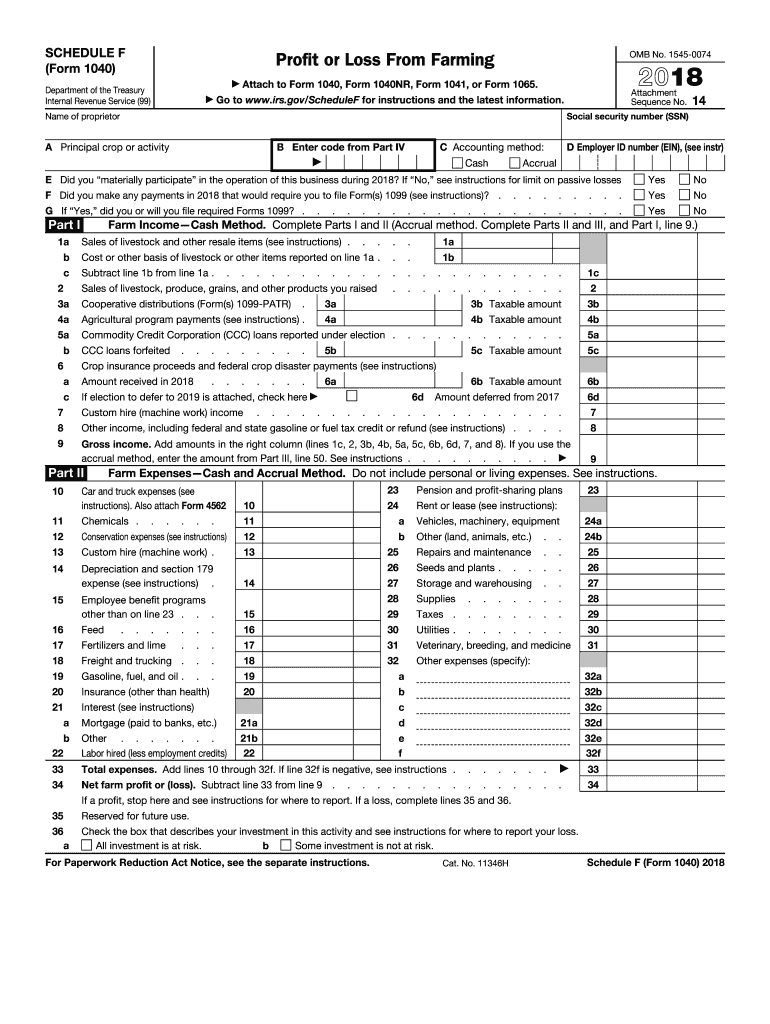
The 2017 Federal Schedule F Form is crucial for farmers and ranchers reporting profit or loss from farming activities. This form is an integral part of the annual tax return, detailing income sources, expenses, and profits related to the agricultural sector. Filling out Schedule F ensures accurate reporting of farm income and can significantly impact a farmer's tax obligations.
Main Uses of the Schedule F Form
Schedule F is generally used to:
- Report income from the sales of livestock, produce, grains, and other products raised on a farm.
- Deduct ordinary and necessary farming expenses such as feed, seed, fertilizer, and repairs.
- Calculate net income or loss from farming activities, which impacts taxable income.
Proper completion of Schedule F can potentially minimize tax liabilities through allowable deductions related to farming operations.
How to Obtain the 2017 Federal Schedule F Form
Farmers can acquire the 2017 Schedule F Form through several avenues:
- Internal Revenue Service (IRS) Website: The form is available for download directly from the IRS website, offering convenience and easy access.
- Tax Preparation Software: Many tax software solutions include Schedule F in their suite of forms, allowing for digital completion and filing.
- Professional Tax Preparers: Engaging a tax professional can ensure proper form acquisition and completion, leveraging their expertise and handling of the paperwork.
Identifying the best method for obtaining the form depends largely on the individual's preferences, access to digital resources, and familiarity with tax preparation processes.
Steps to Complete the 2017 Federal Schedule F Form
Completing Schedule F requires accurate documentation of farming income and expenses. Follow these steps for thorough completion:
- Gather Documents: Collect records of sales, expenses, and any other pertinent financial documents for the tax year.
- Report Income: Enter total gross receipts from sales of livestock, products, and services.
- List Expenses: Include all deductible expenses such as labor, feed, fertilizers, and maintenance costs.
- Calculate Net Income: Subtract total expenses from gross receipts to determine net farm profit or loss.
- Review and Submit: Carefully review the completed form for accuracy before submission.
Attention to detail is essential to ensure compliance and optimize potential refunds.
Important Terms Related to the 2017 Federal Schedule F Form
- Gross Receipts: Total income from all farming activities before expenses.
- Deductible Expenses: Qualifying costs directly related to farming operations that reduce taxable income.
- Net Farm Profit/Loss: The remaining profit or deficit after subtracting expenses from gross receipts.
Understanding these terms is pivotal to correctly filling out Schedule F and ensuring compliance with IRS tax laws.
Who Typically Uses the 2017 Federal Schedule F Form
This form is primarily used by:
- Individual Farmers: Those engaged in small-scale or large-scale agricultural operations.
- Ranch Owners: Individuals raising livestock intended for sale.
- Family Farms: Family-run operations, regardless of size, report farm income and expenses to establish tax obligations.
Regardless of the farm's size or scope, utilizing Schedule F ensures accurate income reporting and potential tax benefits.


IRS Guidelines for Completing and Filing Schedule F
The IRS provides clear instructions for filling out Schedule F:
- Use IRS Publication 225, Farmer's Tax Guide, for detailed explanations and examples of filling out Schedule F.
- Follow specific instructions outlined on the form, including sections for specific expense categories.
- Ensure all information is complete and accurate to avoid penalties.
Adhering to IRS guidelines minimizes errors and helps prevent processing delays or rejections.
Filing Deadlines and Important Dates
Farmers must be aware of critical deadlines for filing:
- The standard deadline for filing the federal tax return, including Schedule F, is April 15th.
- Extensions may be filed using Form 4868 to extend the filing deadline until October 15th.
- For accurate and timely filing, mark calendars with these dates to avoid late fees and penalties.
Meeting the required deadlines ensures compliance and the opportunity to take advantage of certain farming tax benefits.
Required Documents for Schedule F Filing
Prepare and organize the following documentation to streamline the completion process:
- Sales receipts from livestock, crops, and other products.
- Records of expenses such as fertilizer, seed, feed, and labor costs.
- Loan interest statements if claiming interest as a deduction.
- Depreciation schedules for farm equipment.
Having detailed records and receipts preemptively will facilitate smoother form completion and ensure all potential deductions are accounted for.
Penalties for Non-Compliance or Incorrect Filing
Non-compliance with IRS regulations can lead to serious consequences, including:
- Penalties: Fines for failing to file or inaccurately reporting income and expenses.
- Interest Charges: Accrued interests on unpaid taxes due to incorrect form completion.
- Increased Scrutiny: Frequent errors can lead to increased IRS audits for subsequent filings.
Filing accurately and on time prevents these penalties and promotes a more transparent relationship with the IRS.