




Definition and Meaning
A Workforce Safety Near Miss Report is a critical document used to identify potential hazards in a workplace that could lead to an accident or injury but did not result in any harm. It acts as a preventative measure, helping organizations recognize unsafe conditions or practices and rectify them before they lead to actual incidents. Regularly utilizing this report enhances workplace safety culture by encouraging proactive risk management.
Understanding Near Misses
- Potential Hazards: Situations that could have led to an accident but didn't due to various factors, such as quick thinking or pure luck.
- Importance: Near misses provide invaluable insights into weaknesses in safety protocols without the consequence of injury.
- Actionable Intelligence: Organizations can analyze near misses to improve safety measures and prevent future incidents.
How to Use the Workforce Safety Near Miss Report
Using the Workforce Safety Near Miss Report involves systematically capturing and analyzing near misses in the workplace. This process is essential for ensuring that potential dangers are promptly addressed.
Collecting Data
- Identify the Near Miss: Spot any incidents or situations lacking adequate safety controls.
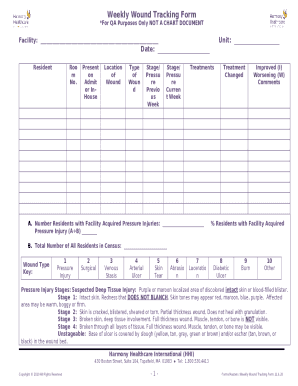
- Document the Details: Record specifics like date, time, location, and the nature of the near miss.
- Describe the Scenario: Clearly outline what happened, including all involved parties and any contributing factors.
Analyzing and Reporting
- Review by Safety Officers: Safety officers should evaluate reports for patterns or recurring issues.
- Engage with Workforce: Involving workers in discussions on near misses encourages a safer work environment.
- Implement Improvements: Use findings to enhance safety protocols, equipment, and training programs.
Steps to Complete the Workforce Safety Near Miss Report
Completing a Workforce Safety Near Miss Report ensures that all relevant details are captured accurately for future analysis.
- Gather Initial Information: Start with basic incident details such as date, time, and location.
- Describe the Incident: Provide a detailed narrative of the events, highlighting what nearly happened.
- Identify Root Cause: Analyze to determine the underlying reasons for the near miss.
- Suggest Preventative Measures: Recommend changes or improvements to prevent recurrence.
- Review and Submission: Submit the report for review by the designated safety committee or officer.
Key Elements of the Workforce Safety Near Miss Report
Understanding the core components of the report helps ensure comprehensive documentation of each near miss.
Essential Components
- Incident Description: A concise summary of what occurred.
- Contributing Factors: Elements that led to the situation, including equipment, human error, or environmental conditions.
- Risk Analysis: Assessment of potential outcomes if the near miss had resulted in an accident.
- Preventative Actions: Steps to mitigate future risks, including policy changes or training updates.
Legal Use of the Workforce Safety Near Miss Report
The report serves as a crucial tool for compliance with occupational health and safety regulations. It provides a framework for continuous safety improvement, aiding in the identification of latent hazards before they cause harm.
Benefits of Legal Compliance
- Reduced Liability: Thorough documentation can protect organizations by showing proactive safety management.
- Enhanced Safety Culture: Legal adherence demonstrates a commitment to employee well-being.
- Audit Preparedness: Well-documented near miss reports are valuable during safety audits and can prevent potential legal issues.
Who Typically Uses the Workforce Safety Near Miss Report
A range of professionals within an organization utilize the Workforce Safety Near Miss Report to maintain and improve safety standards.


Key Users
- Safety Officers and Managers: They review reports to identify trends and address areas of concern.
- Human Resources: HR teams use the data to update training programs and enhance safety protocols.
- Line Managers and Supervisors: These individuals often initiate the reporting process due to their proximity to daily operations.
Examples of Using the Workforce Safety Near Miss Report
Real-world usage examples demonstrate the practical application of near miss reports in enhancing workplace safety.
Case Study Scenarios
- Manufacturing Incident: An employee notices a slippery substance on the factory floor. The near miss report leads to a review and improvement of cleaning protocols.
- Construction Site Hazard: A temporary scaffolding setup almost collapses. Reporting uncovered flaws in assembly procedures, resulting in revised safety checks.
State-Specific Rules for the Workforce Safety Near Miss Report
Different states may have distinct requirements regarding the use and submission of near miss reports as part of their occupational safety regulations.
Key State Variations
- Mandatory Reporting: Some states require all near misses to be documented and submitted to local safety authorities.
- Sector-Specific Changes: Certain industries, such as construction or manufacturing, may need to comply with additional state-specific safety reporting standards.
- Training and Compliance: Variances exist in how states mandate training related to near miss reporting and preventative actions.