




01. Edit your form online
Type text, add images, blackout confidential details, add comments, highlights and more.

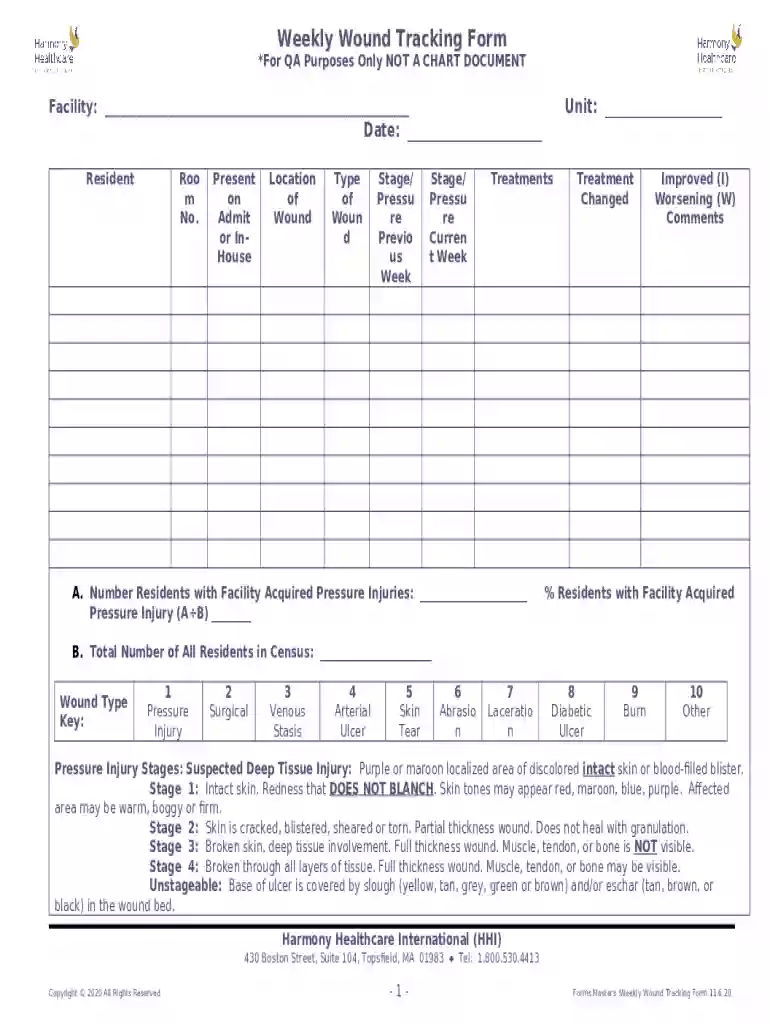
Type text, add images, blackout confidential details, add comments, highlights and more.
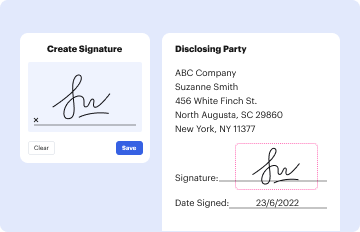
Draw your signature, type it, upload its image, or use your mobile device as a signature pad.

Send it via email, link, or fax. You can also download it, export it or print it out.
The Weekly Wound Tracking Form is designed for healthcare facilities to systematically document and monitor the healing progress of wounds among patients or residents. Unlike clinical charting, this form serves more for quality assurance, ensuring standardized observation and data collection. It helps healthcare professionals to identify trends, assess treatment effectiveness, and facilitate communication within clinical teams, leading to better patient care outcomes. The form can be tailored to meet facility-specific needs while adhering to general guidelines for wound tracking.
Utilizing the Weekly Wound Tracking Form involves several structured steps to ensure thorough documentation:
Patient Identification: Begin by recording the patient’s details, including name, ID number, and location within the facility. This ensures each entry is accurately attributed to the correct individual.
Wound Description: Document the wound’s type, size, and location. Include detailed descriptions of the wound’s appearance, noting any signs of infection such as redness or discharge.
Assessment and Measurements: Use standardized practices to measure the wound’s dimensions and depth. Regular measurements are crucial for tracking healing progress over time.
Treatment Records: Describe the current treatment regimen, specifying dressings used, frequency of changes, and any medications administered.
Comments and Observations: Include observations related to wound healing or deterioration, noting any changes in patient behavior or symptoms that may warrant further assessment.
Signature and Date: Ensure the form is signed and dated by the healthcare professional responsible for the assessment, ensuring accountability and traceability.
The Weekly Wound Tracking Form can typically be acquired through various channels:
Healthcare Facilities: Many facilities maintain a supply of these forms for their staff. Check with the facility’s administrative department or the nursing station.
Healthcare Suppliers: Specialized medical supply companies often have standardized forms available for purchase.
Government Health Departments: Some states offer downloadable versions of standardized forms through health department websites.
Online Healthcare Portals: Various healthcare and medical documentation sites provide templates that can be customized for specific needs.
Several key elements are integral to the form’s design and use:
Patient Information: Ensures accurate record-keeping and personalized care.
Visual Documentation: Space for attaching photos or diagrams to visually track wound progression.
Consistency and Regularity: Standardized fields facilitating routine entries for comparison over time.
Privacy Considerations: Includes directives on HIPAA compliance for safeguarding patient information.
Interdisciplinary Use: Designed for use by multiple members of the care team, encouraging collaborative input and decision-making.
This form’s use is pivotal in maintaining high-quality standards in patient care:
Enhances Communication: Provides a central reference point for all healthcare professionals involved in a patient’s care.
Tracks Treatment Efficacy: Allows for the assessment of treatment plans, facilitating adjustments based on empirical data.
Supports Regulatory Compliance: Many healthcare standards require meticulous documentation for accreditation and quality assurance purposes.
Facilitates Early Intervention: Early signs of healing progress or complications can prompt timely interventions, reducing the risk of serious complications.
This form is primarily utilized by:
Nurses and Wound Care Specialists: Conducting routine assessments and monitoring healing.
Physicians: Reviewing treatment plans and making adjustments based on documented progress.
Healthcare Administrators: Ensuring compliance with quality assurance protocols and reporting standards.
Care Teams: Facilitating interdisciplinary collaboration and care planning for patients with chronic or significant wounds.


Understanding key terms is essential for proper use:
Epithelialization: The process of the wound covering with new epithelial tissue, indicating healing.
Debridement: The medical removal of dead, damaged, or infected tissue to improve healing potential.
Exudate: Fluid emitted by a wound, important for assessing the wound's status.
Granulation Tissue: New vascular tissue in granular form on an ulcer or wound surface, an indicator of healing.
By familiarizing with these terms, users of the form can ensure precise and meaningful data entry, improving the overall utility of the tracking process.
A standardized approach is recommended for completing the form:
Initial Interaction: During the patient’s admission or first wound observation, begin with the comprehensive documentation of the wound status.
Routine Check-ups: Regularly update the form with fresh observations, recording any changes or consistent conditions.
Monitoring Milestones: Set frequent intervals for measurement, ensuring changes are effectively captured.
Treatment Evaluation and Modification: Use the form's data to assess the effectiveness of current treatments, making necessary adjustments as required.
Final Evaluation: Once the wound has healed, document its resolution or capture any final observations needed for discharge or continued care monitoring.
Following these steps ensures comprehensive data collection and patient monitoring while supporting the care team's efforts to deliver optimal wound care.
At DocHub, your data security is our priority. We follow HIPAA, SOC2, GDPR, and other standards, so you can work on your documents with confidence.


