




Definition & Meaning
A Separation and Property Settlement Agreement is a legally binding document used during the marital separation process. It outlines the division of assets, debts, and responsibilities between separating spouses. This agreement is critical to ensure both parties have a clear understanding of their rights and obligations moving forward. The document serves as a blueprint for handling financial matters and property distribution, making it a fundamental tool for those undergoing separation.
Components of the Agreement
- Asset Division: Details how property, savings, and other assets are divided.
- Debt Allocation: Specifies responsibility for joint debts.
- Spousal Support: Outlines terms and conditions for alimony.
- Parenting Plan: For couples with children, it may include custody and visitation terms.
Practical Examples
- Asset Division: Assigns ownership of the family home and cars.
- Debt Responsibility: Allocates student loans or credit card debts.
- Alimony Agreement: Specifies monthly payments for spousal maintenance.
Steps to Complete the Separation and Property Settlement Agreement
Completing a Separation and Property Settlement Agreement involves several essential steps that ensure the document is comprehensive and fair.
Step-by-Step Process
- Collect Financial Information: Both parties should gather comprehensive lists of assets, debts, income, and expenses.
- Negotiate Terms: Discussions should cover all necessary areas: asset division, debt allocation, spousal support, and child arrangements.
- Draft the Agreement: Document all agreed-upon terms using precise language.
- Review and Revise: Both parties should thoroughly review the draft, making necessary adjustments to ensure accuracy and fairness.
- Legal Advice: It is advisable for each party to consult with an attorney to confirm that the agreement is legally sound.
- Sign and Notarize: Once both parties agree on all terms, the document should be signed in the presence of a notary public.
Variations & Exceptions
- Amicable Separations: May result in a simpler, quicker agreement process.
- High-Asset Cases: Often require more complex negotiations and detailed documentation.
Key Elements of the Separation and Property Settlement Agreement
A Separation and Property Settlement Agreement covers several key areas, each vital for ensuring the document's effectiveness and enforceability.
Main Focus Areas
- Asset and Debts: Clearly defines the division of property and financial obligations.
- Support Obligations: Specifies any spousal or child support arrangements.
- Parental Responsibility: Outlines custody and visitation rights if applicable.
- Modification Clauses: Allows for future changes under specific conditions.
Illustrative Examples
- Real Estate: Specifies ownership transfer of matrimonial property.
- Insurance Policies: Determines beneficiaries and responsibility for premium payments.
Legal Use of the Separation and Property Settlement Agreement
This agreement plays a critical role in the legal process of marital separation by ensuring equitable distribution of assets and liabilities.
Legal Benefits
- Prevents Disputes: Provides a clear resolution for potential disputes over assets or responsibilities.
- Court Recognition: Often required for the court to acknowledge the separation.
- Enforceability: Once signed, it is legally binding and can be enforced in court.
Examples in Practice
- Litigation Avoidance: Reduces the likelihood of costly court procedures.
- Legal Validity: Acts as evidence of agreed terms in legal disputes.
Who Typically Uses the Separation and Property Settlement Agreement
This document is utilized by couples who are separating or divorcing, including those with or without children.

Target Users
- Married Couples: Primarily those undergoing separation or divorce.
- Couples with Shared Assets: Individuals with joint financial obligations.
- Parents: Particularly those needing arrangements for children.
Specific User Scenarios
- Business Owners: Need to address business asset distribution.
- Property Owners: Require detailed property division agreements.
State-Specific Rules for the Separation and Property Settlement Agreement
Each state in the U.S. may have unique requirements or considerations for these agreements, reflecting local laws and regulations.
Distinctive Regulations
- Community Property States: Such as California, require equal division of marital assets.
- Equitable Distribution States: Such as New York, strive for a fair but not necessarily equal division.
Practical Implications
- State Compliance: Agreements must comply with state-specific legal standards to be enforceable.
- Variation in Enforcement: Different states might have varying enforcement of support obligations or asset division.
Creating and Managing a Separation and Property Settlement Agreement
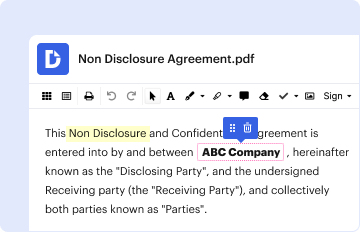
DocHub offers tools to simplify the creation and management of separation agreements, allowing for efficient document handling and collaboration.
DocHub Features
- Editable Templates: Allows easy modification of standard agreement templates.
- Collaboration Tools: Facilitates negotiation and revision between parties.
- Security Options: Ensures sensitive information remains protected during document exchange.
User Scenarios
- Cloud Integration: Import and export documents from Google Drive for seamless workflow.
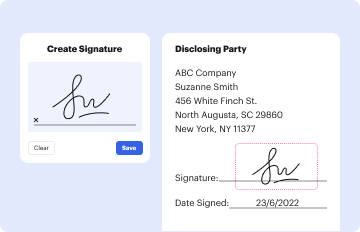
- Electronic Signatures: Legal and binding, enabling remote agreement finalization.
State-by-State Differences
There are significant differences in how states handle separation agreements, which are crucial to consider during the drafting process.
Examples of Variations
- Spousal Support: Duration and amount can widely vary between states.
- Property Division: Different methods of classifying marital versus separate property.
Important Considerations
- Legal Consultation: Essential to understand state-specific requirements and ensure compliance.
- Agreement Validation: Ensure the agreement meets local legal standards for enforceability.