




Definition & Meaning
The Residential Lease Application Form is a standard document used in the United States to gather information from potential tenants interested in renting a residential property. This form acts as a preliminary step in the leasing process, providing landlords with essential details about applicants. It typically includes sections requesting personal information, employment details, rental history, and references. The form ensures landlords have a comprehensive understanding of the applicant's background, allowing them to make informed decisions on tenant selection.
Steps to Complete the Residential Lease Application Form
Filling out a Residential Lease Application Form requires careful attention to detail to ensure all necessary information is provided. Here's a step-by-step guide to assist applicants:
-
Personal Information: Start by entering full legal names, date of birth, contact details, and social security number. Ensure this information matches identification documents to prevent issues later in the process.
-
Employment Details: Include the name and address of your current employer, your position, duration of employment, and monthly income. Providing accurate employment history helps demonstrate stability and credibility.
-
Rental History: Document previous addresses where you've rented over the past five years, including landlord contact information and rental periods. Positive rental history can be a strong factor in application approval.
-
References: List personal or professional references who can vouch for your character. Ensure these individuals are reachable and informed about the potential call from the landlord.
-
Additional Information: Be ready to provide details about pets, vehicles, or other occupants, as these might be essential depending on the property’s rules.
-
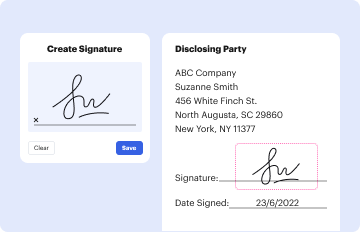
Signing the Form: Review all the information for accuracy before signing. Often, a section is provided for authorization of credit and background checks, requiring your consent with a signature.
Key Elements of the Residential Lease Application Form
Several key elements typically comprise a well-structured Residential Lease Application Form:
- Applicant's Information: Full names of all potential tenants, phone numbers, email addresses, and government-issued IDs.
- Employment and Income Verification: Information verifying current employment status and income, including pay stubs or employer letters.
- Rental History: Details about previous rental experiences, including any issues encountered, such as missed rent payments or disputes.
- References: Contact details of personal or financial references who can confirm stability and reliability.
- Consent for Credit Check: Authorization section allowing landlords to conduct financial and background checks.
Legal Use of the Residential Lease Application Form
Completing a Residential Lease Application Form involves legal considerations that aim to protect both landlord and tenant rights:
- Fair Housing Act Compliance: Landlords must ensure the form does not request any discriminatory information related to race, religion, gender, or disability, adhering to the Fair Housing Act.
- Consent for Background Checks: Applicants must provide explicit permission for landlords to perform credit and background checks, safeguarding personal data in compliance with privacy laws.
- Data Security: Ensuring applicant information is kept confidential, using secure storage and encryption methods to protect sensitive information from unauthorized access.
State-Specific Rules for the Residential Lease Application Form
It's essential to recognize that certain aspects of the Residential Lease Application Form may vary based on state-specific regulations:
- Security Deposit Limits: Varying state laws govern the maximum allowable security deposit a landlord can request.
- Application Fees: Some states set limits on the amount landlords can charge for processing an application, ensuring affordability for tenants.
- Disclosure Requirements: States may require landlords to disclose specific property-related information, such as the presence of lead-based paint or local noise ordinances, within the application or lease.
Why Should You Use a Residential Lease Application Form
Using a Residential Lease Application Form is beneficial for both landlords and tenants due to the following reasons:
- Screening: Provides a consistent method for landlords to evaluate potential tenants, reducing the likelihood of selecting unsuitable renters.
- Documentation Efficiency: Ensures that landlords have all necessary information on file, facilitating a smooth leasing agreement process.
- Legal Protection: Offers a legally compliant approach to gathering tenant information, supporting fair and equal housing opportunities.
Software Compatibility with the Residential Lease Application Form
DocHub offers several features that ensure compatibility and ease of use when dealing with Residential Lease Application Forms:
- File Format Support: Users can upload, edit, and sign forms in various formats such as PDF, DOC, or TXT, ensuring seamless integration with existing document types.
- Cloud Integration: Direct connections with cloud services like Google Drive and Dropbox allow for easy import and export of completed forms.
- Mobile Accessibility: The platform is optimized for both desktop and mobile use, providing flexibility to manage and complete lease applications from any location.
Who Typically Uses the Residential Lease Application Form
Common users of the Residential Lease Application Form include:
- Property Managers: Utilize the form to evaluate prospective tenants for rental properties efficiently.
- Individual Landlords: Benefit from standardized tenant information collection, enhancing their selection process.
- Real Estate Agents: Use forms to streamline the tenant application process as part of their rental property services.
- Tenants: Fill out these forms to initiate the rental process, establishing their suitability for the desired property.