



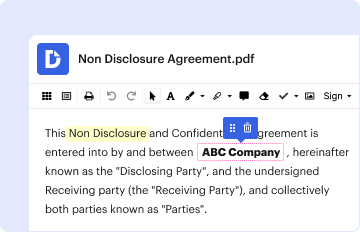
01. Edit your form online
Type text, add images, blackout confidential details, add comments, highlights and more.

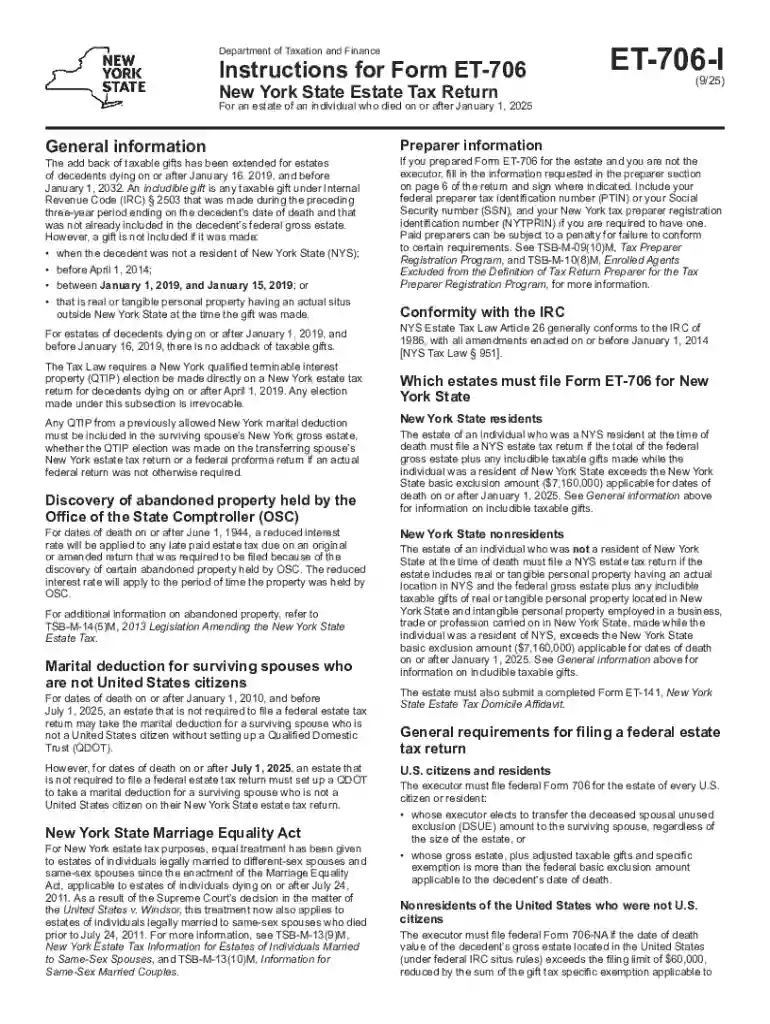
Type text, add images, blackout confidential details, add comments, highlights and more.
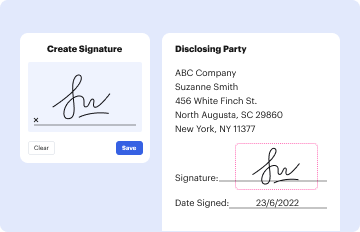
Draw your signature, type it, upload its image, or use your mobile device as a signature pad.

Send it via email, link, or fax. You can also download it, export it or print it out.
Form ET-706, also known as the New York State Estate Tax Return, is a document used to report the estate tax due upon the death of an individual. It ensures compliance with New York State tax regulations by documenting the taxable estate value and calculating the corresponding tax obligation. Intended primarily for estates above a certain threshold, typically aligned with federal estate tax exemption limits, the form plays a critical role in estate management and settlement.
To effectively utilize Form ET-706, start by gathering all relevant financial documents that reflect the decedent's total assets, including cash, real estate, investments, and business interests. Next, determine the value of these assets at the time of the individual's death. Once you have compiled this data, fill out the form by detailing each asset and its respective value. The form requires precise calculations to ascertain the total estate value and any applicable deductions, such as debts and funeral expenses, which are deductible from the gross estate value to arrive at the net taxable estate. This net value is then used to calculate the estate tax owed.
The Form ET-706 can be obtained from the New York State Department of Taxation and Finance's website. Visit the site and navigate to the forms section, where you can download the latest version of the form. Additionally, paper copies may be requested by contacting the department via phone or visiting a local office. The downloadable version is often available in both PDF and fillable formats, suitable for digital completion or print use.
Collect Necessary Information: Gather all documentation reflecting the decedent's financial holdings, including bank statements, property deeds, and investment records.
Assess Estate Value: Calculate the value of the estate by summing the values of all assets, factoring in any liabilities or debts.
Fill Out Personal Information: Enter the decedent's personal details, including social security number, date of death, and address in the appropriate sections of the form.
Declare Assets and Liabilities: List each asset and liability individually, providing detailed descriptions and values.
Calculate Deductions: Input any applicable deductions, such as debts, mortgages, and funeral costs, to reduce the gross estate value.
Determine Tax Due: Use the calculated net estate value to compute the estate tax according to current tax rates.
Review and Submit: Cross-check all entries for accuracy, then submit the completed form, together with any required documents, to the New York State Department of Taxation and Finance via mail or electronic submission if available.
Form ET-706 is legally required for estates exceeding the New York State estate tax exemption threshold. Filing the form ensures that the estate meets its tax obligations under state law. Failing to submit the form when due could result in penalties, interest charges, and potential legal action by state authorities.
The filing deadline for Form ET-706 is typically nine months from the date of the decedent's death. Extensions may be requested, though they do not extend the time to pay any owed taxes. It is crucial to file before this deadline to avoid penalties and ensure timely compliance with state regulations.
Failure to file Form ET-706 by the deadline, or to pay the due tax, can result in significant penalties. This includes interest accruing on unpaid taxes, fines for underpayment, and potential legal repercussions. The New York State Department of Taxation and Finance imposes these penalties to enforce compliance and prompt submission of estate tax obligations.
We've got more versions of the Form ET-706 New York State Estate Tax Return for an form. Select the right Form ET-706 New York State Estate Tax Return for an version from the list and start editing it straight away!
| Versions | Form popularity | Fillable & printable |
|---|---|---|
| 2025 | 4.4 Satisfied (35 Votes) | |
| 2024 | 4.4 Satisfied (23 Votes) | |
| 2023 | 4.7 Satisfied (49 Votes) | |
| 2021 | 4.8 Satisfied (195 Votes) | |
| 2020 | 4.4 Satisfied (98 Votes) | |
| 2019 | 4.4 Satisfied (228 Votes) | |
| 2017 | 4.3 Satisfied (109 Votes) | |
| 2016 | 4.3 Satisfied (54 Votes) | |
| 2015 | 4 Satisfied (30 Votes) | |
| 2014 | 4.1 Satisfied (49 Votes) | |
| 2012 | 3.8 Satisfied (41 Votes) | |
| 2011 | 4 Satisfied (56 Votes) | |
| 2010 | 4 Satisfied (39 Votes) |
At DocHub, your data security is our priority. We follow HIPAA, SOC2, GDPR, and other standards, so you can work on your documents with confidence.




This report provides a statistical profile of estate tax returns processed by the Department of Taxation and Finance between April 1, 1995 and. March 31, 1996.Read more
The estate of an individual who was a NYS resident at the time of death must file a NYS estate tax return if the total of the federal gross estate plus anyRead more
If the decedent was a nonresident of New York State (NYS) on the date of death, mark an X in the box and attach a completed Form ET-141, New York State EstateRead more


