




01. Edit your form online
Type text, add images, blackout confidential details, add comments, highlights and more.

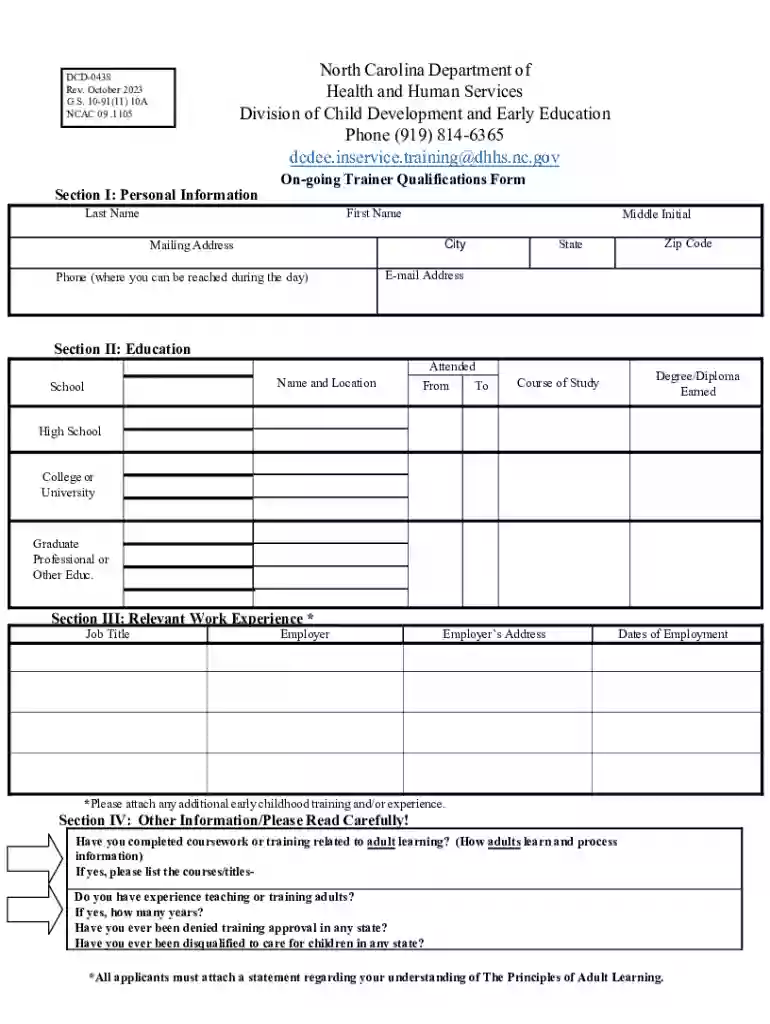
Type text, add images, blackout confidential details, add comments, highlights and more.

Draw your signature, type it, upload its image, or use your mobile device as a signature pad.

Send it via email, link, or fax. You can also download it, export it or print it out.
The ongoing training packet for non-exempt agencies and organizations is a crucial resource designed to standardize and facilitate the training processes within the child development sector in North Carolina. It serves as a comprehensive guide, detailing necessary procedures and requirements to ensure consistent training across various organizations. This packet is particularly vital for ensuring that trainers, who play an essential role in the implementation of child development programs, meet the established qualifications and standards.
Utilizing the ongoing training packet ensures that all training sessions are executed to meet specific content standards required by the Division of Child Development and Early Education (DCDEE). This packet aids organizations in collecting and maintaining necessary documentation such as trainer qualifications, training outlines, and attendance rosters. Moreover, proper documentation assists in the evaluation of training effectiveness, which in turn enhances the quality of child development services provided.
The packet includes a variety of crucial documents integral to the training process:
Each component is tailored to ensure completeness and compliance with state regulations and is designed to streamline the administrative workload of agencies and organizations.
Completing the training packet involves a series of methodical steps to ensure accuracy and compliance:
Following these steps helps ensure that training sessions are recognized as valid and effective by regulatory bodies.
Compliance with the packet's guidelines is legally required for non-exempt organizations under the jurisdiction of the DCDEE. Adherence to these guidelines ensures that organizations avoid penalties and ensure the legitimacy of their training programs. Non-compliance could result in revocation of training permissions and other legal consequences.
The ongoing training packet is primarily used by non-exempt child development agencies and organizations in North Carolina. This includes managerial staff, trainers, and administrative personnel responsible for organizing and recording training sessions. Additionally, state regulators use the information from these packets to ensure compliance with child development standards.
While the ongoing training packet is applicable statewide in North Carolina, there may be slight variations based on local regulations and specific agency requirements. Agencies are encouraged to stay updated with any changes in state guidelines and procedural adjustments to maintain compliance and ensure the effectiveness of their training programs.
Consider a child development organization implementing a new educational curriculum. By utilizing the ongoing training packet, the agency ensures that trainers are qualified, training sessions adhere to state standards, and all necessary records are meticulously maintained. This standardized process not only streamlines operations but also enhances the overall quality of training, thereby improving service delivery to children and families.
At DocHub, your data security is our priority. We follow HIPAA, SOC2, GDPR, and other standards, so you can work on your documents with confidence.



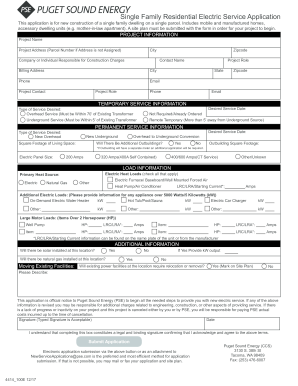


ON-GOING TRAINING PACKET FOR. NON-EXEMPT AGENCIES/ORGANIZATIONS/INDIVIDUALS. Rev. October 2023. 10A NCAC 09 .1105. Training for meeting the on-going training
These trainings help early educators meet their annual requirement for on-going training hours in Child Care Rule 10A NCAC 09 .1103 (Child Care Centers-CCC) and
The document is divided into ten Parts, and within seven of these Parts there are several sub-headings (Parts and sub-headings are listed in the Table of


