




Definition & Meaning
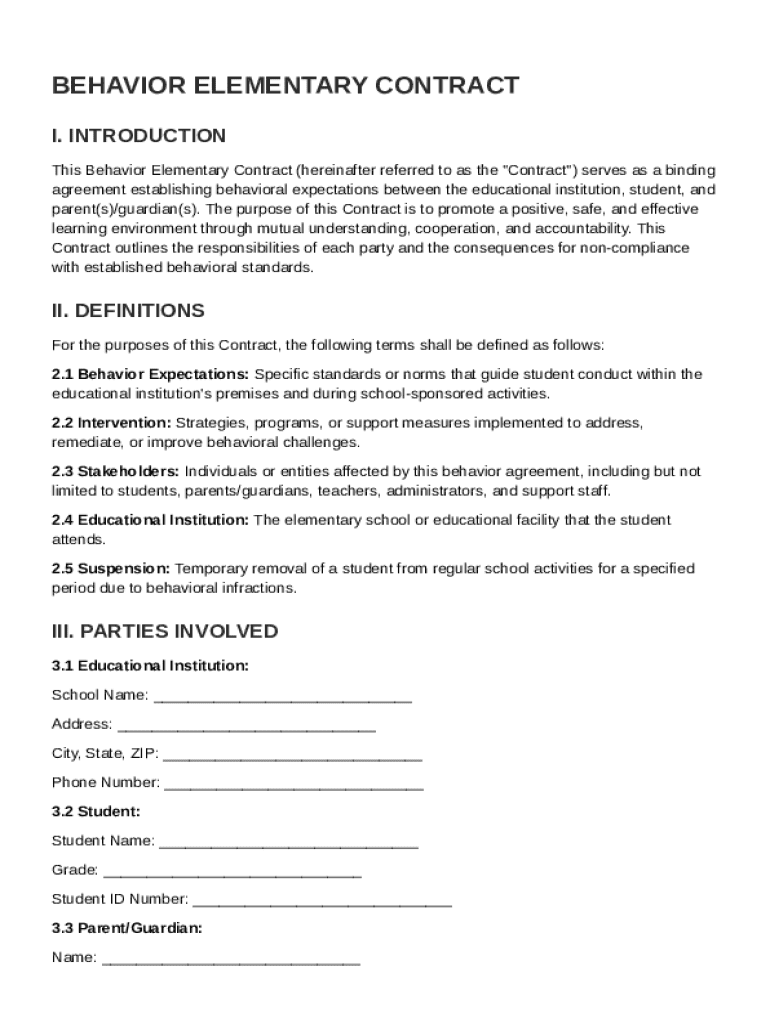
The Behavior Elementary Contract Template is a formal document utilized in educational settings to establish clear expectations for student conduct. It serves as an agreement between the school, the student, and the student's parents or guardians. This template is designed to foster a positive and structured learning environment by outlining behavioral standards and expectations. Through this contract, all parties agree on specific guidelines around behavior, which assists in promoting accountability and cooperation in the educational process.
Elements of the Definition
- Participants: The contract involves the educational institution, students, and parents/guardians.
- Purpose: Establishes behavioral expectations to encourage a conducive learning climate.
- Outcome: Facilitates a joint effort to improve student behavior through defined expectations and consequences.
How to Use the Behavior Elementary Contract Template
Utilizing the Behavior Elementary Contract Template involves several key steps. Begin by customizing the template to align with the specific behavioral expectations of your institution. This can include modifying sections according to grade levels or incorporating specific school policies. Ensure the contract is clear and easily understood by students and parents alike by using straightforward language.
Steps for Effective Use
- Customization: Tailor the template to reflect specific school rules and classroom aspirations.
- Distribution: Provide copies to the involved parties—students, parents, and educators.
- Review & Clarification: Allow time for all parties to read and ask questions about the contract.
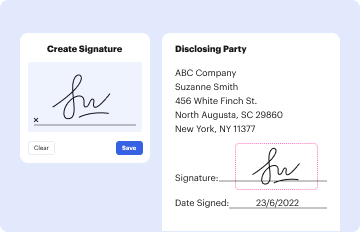
- Agreement & Signing: Collect signatures to formalize the commitment to the outlined behavior standards.
Key Elements of the Behavior Elementary Contract Template
A comprehensive Behavior Elementary Contract Template includes several critical components to ensure clarity and effectiveness. Key elements of the template revolve around defining expected behaviors, responsibilities of different stakeholders, and consequences for violations.
Detailed Elements
- Behavioral Expectations: Outlines specific acceptable and unacceptable behaviors.
- Stakeholder Responsibilities: Details the roles of students, parents, and educators in maintaining discipline.
- Consequences: Describes repercussions for failing to adhere to the contract terms.
- Support Systems: Includes interventions or remedial measures for supporting student behavior improvements.
Legal Use of the Behavior Elementary Contract Template
When constructing and implementing the Behavior Elementary Contract Template, it is imperative to ensure it complies with local and federal educational laws. While not legally binding in the sense of a traditional legal document, it sets enforceable expectations within the school community.
Legal Considerations
- Compliance with Educational Policies: Aligns with school district policies and state educational mandates.
- Parental Rights: Respects and upholds parental rights regarding student discipline.
- Confidentiality: Ensures any sensitive information is handled in line with privacy standards.
Who Typically Uses the Behavior Elementary Contract Template
The primary users of the Behavior Elementary Contract Template are educational institutions, particularly elementary schools seeking to codify behavioral norms among young students. The contract acts as a valuable tool for teachers and administrators aiming to create a unified standard for behavior across different classrooms.


Users and Use Cases
- Teachers and Administrators: Apply the template to manage classroom discipline and align student behavior.
- Parents and Guardians: Engage with it to understand and support expected school behaviors for their children.
- Students: Learn their responsibilities and the impact of their actions within the school setting.
Examples of Using the Behavior Elementary Contract Template
Practical examples of how the Behavior Elementary Contract Template is utilized in schools can provide insight into its real-world application. Over the years, schools have employed this template in various scenarios to address behavioral issues and enhance classroom management.
Real-World Scenarios
- Conflict Resolution: Used to mediate disputes and outline future expectations among students.
- Positive Reinforcement: Leveraged to acknowledge and reward adherence to desired behaviors.
- Parent-Teacher Conferences: Serves as a discussion point to identify areas of improvement and extra support for students.
Steps to Complete the Behavior Elementary Contract Template
Completing the Behavior Elementary Contract Template involves a systematic process to ensure accuracy and comprehensiveness. Engaging students, parents, and faculty in this process encourages collective understanding and commitment to the behavioral guidelines.
Sequence of Steps
- Drafting: Fill out sections of the template in collaboration with educators to include specific expectations.
- Review & Edit: Collaborate with school legal advisors to verify compliance and address omissions or refinements.
- Distribution & Explanation: Provide copies for review by students and parents, ensuring comprehension of terms.
- Signature Collection: Finalize the contract with signatures from all parties to signify agreement.
Important Terms Related to the Behavior Elementary Contract Template
Understanding the terminology used within the Behavior Elementary Contract Template is essential for all involved parties. Terms commonly featured include behavioral expectations, consequences, and intervention strategies, each playing a critical role in the document's intent and functionality.
Key Terms and Their Meanings
- Behavioral Expectations: Standards set for student conduct in classroom settings.
- Intervention Strategies: Methods employed to address and rectify behavioral deviations.
- Consequences: Specific outcomes or actions that occur as a result of breaches in expected conduct.
State-Specific Rules for the Behavior Elementary Contract Template
Each state may have distinct rules and guidelines when it comes to implementing educational contracts. Understanding these differences is crucial for modifying the Behavior Elementary Contract Template to ensure legal and educational compliance across various jurisdictions.
Variations by State
- Local Educational Policies: Incorporate any state-specific educational mandates or policies.
- Disciplinary Practices: Adjust consequences and support measures in line with state regulations.
- Cultural Considerations: Reflect local cultural and societal values within the behavioral guidelines.