




Definition & Meaning
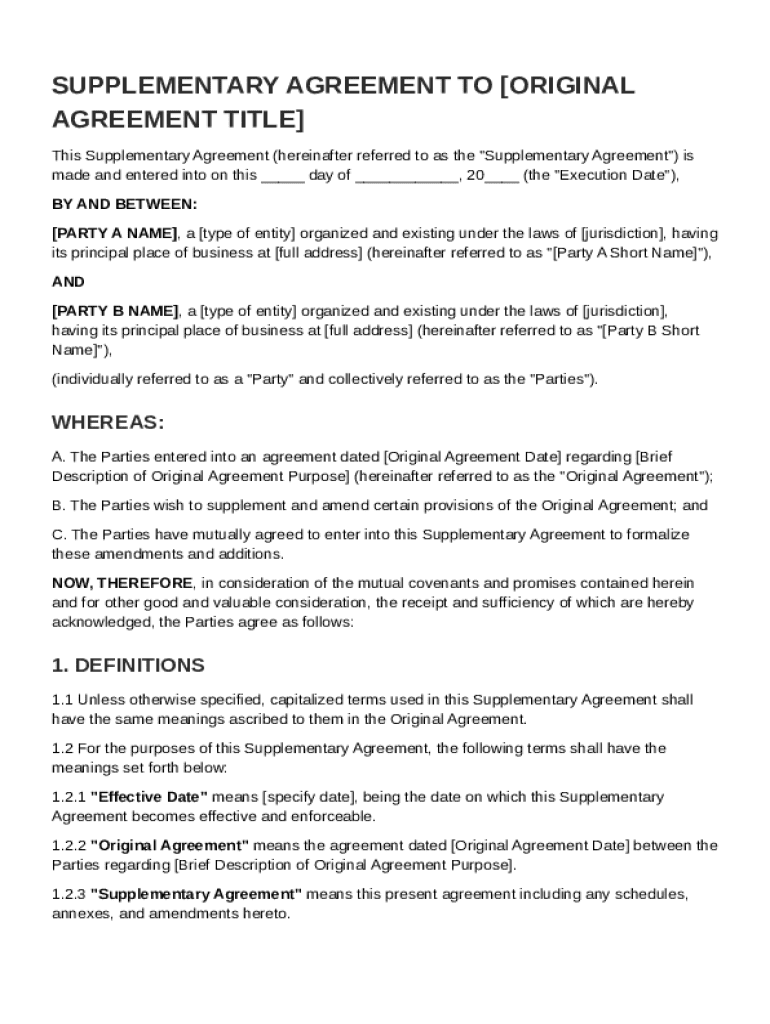
A Supplementary Agreement Template is a document designed to modify and augment an existing Original Agreement between two parties. It serves as a legal instrument to introduce amendments, stipulations, or changes to the terms initially agreed upon. Typically utilized when adjustments are needed due to evolving conditions or mutual agreements, this template ensures clarity and agreement on the updated terms without nullifying the entire contract. In essence, it maintains the integrity of the original agreement while accommodating necessary changes.
Key Elements of the Supplementary Agreement Template
The key components of a Supplementary Agreement Template include:
- Amendment Purpose Section: Clearly outlines the reason for the changes to the Original Agreement and sets the context for the modifications.
- Specific Amendments: Detailed descriptions of the changes being made, including the affected sections and clauses in the original document.
- Continuity Clause: A statement affirming that all terms of the Original Agreement remain valid unless expressly modified by the Supplementary Agreement.
- Confidentiality Provision: Details on how sensitive information will be protected under the modified terms.
- Governing Law: Identifies the jurisdiction under which the Supplementary Agreement will be interpreted and enforced.
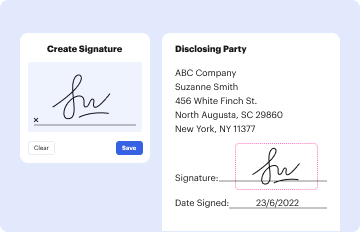
- Execution Details: Includes the signatures of authorized parties, signifying agreement to the new terms.
How to Use the Supplementary Agreement Template
To effectively utilize the Supplementary Agreement Template, follow these steps:
- Review the Original Agreement: Ensure you understand existing terms to identify the necessary modifications.
- Draft the Supplementary Agreement: Use the template to clearly outline changes, ensuring all parties understand the amendments.
- Consult Legal Counsel: It is advisable to seek legal review to ensure all clauses are enforceable and compliant with applicable laws.
- Distribute to Parties Involved: Share the draft with all relevant parties to secure their input and approval.
- Finalize and Execute: After final revisions, obtain signatures from all parties to formalize the agreement.
Steps to Complete the Supplementary Agreement Template
Completing the Supplementary Agreement Template involves a structured procedure to ensure all amendments are accurately reflected:
- Title and Date the Document: Label the document as a Supplementary Agreement and include the date of execution.
- Identify the Parties: Clearly state the names of all parties involved, maintaining consistency with the Original Agreement.
- Reference the Original Agreement: Include details such as the title and date of the Original Agreement for clarity.
- Detail the Amendments: Use clear language to specify changes to each section or clause, ensuring no ambiguity.
- Add Execution Signatures: Provide space for each party to sign, affirming their agreement to the modifications.
Legal Use of the Supplementary Agreement Template
In the U.S., these agreements are often used in commercial, employment, and real estate contexts. Legal compliance involves adherence to the following:
- Authorization: Obtaining appropriate authorization from all parties involved in the Original Agreement.
- Clarity in Language: Ensuring that the language used in the template is clear and legally enforceable.
- Documentation: Maintaining proper documentation of both the Original Agreement and Supplementary Agreement for future reference.
Who Typically Uses the Supplementary Agreement Template
A variety of professionals and organizations may use these templates, including:
- Business Entities: Corporations and LLCs may require amendments to partnership agreements or vendor contracts.
- Legal Professionals: Attorneys often draft these documents on behalf of clients to ensure legal soundness.
- Human Resource Departments: Amend employment contracts to accommodate changes in responsibilities or benefits.

Important Terms Related to Supplementary Agreement Template
Understanding relevant terminology enhances the effective use of the template:
- Amendment: A formal change proposed to the existing terms of an agreement.
- Addendum: Additional information added to an existing document without altering it.
- Parties: Individuals or entities engaged in the agreement.
- Clause: A distinct section within the agreement detailing a specific provision.
Examples of Using the Supplementary Agreement Template
Consider the following scenarios showcasing template usage:
- Business Expansion: A company updates its partnership agreement to reflect new partners or terms.
- Property Lease Adjustments: Landlords and tenants adjust lease terms in response to structural repairs or other changes.
- Employee Contracts: Employers modify roles or benefits due to organizational restructuring.
Each example underscores the template's flexibility and utility in facilitating clear, legally enforceable adjustments.